
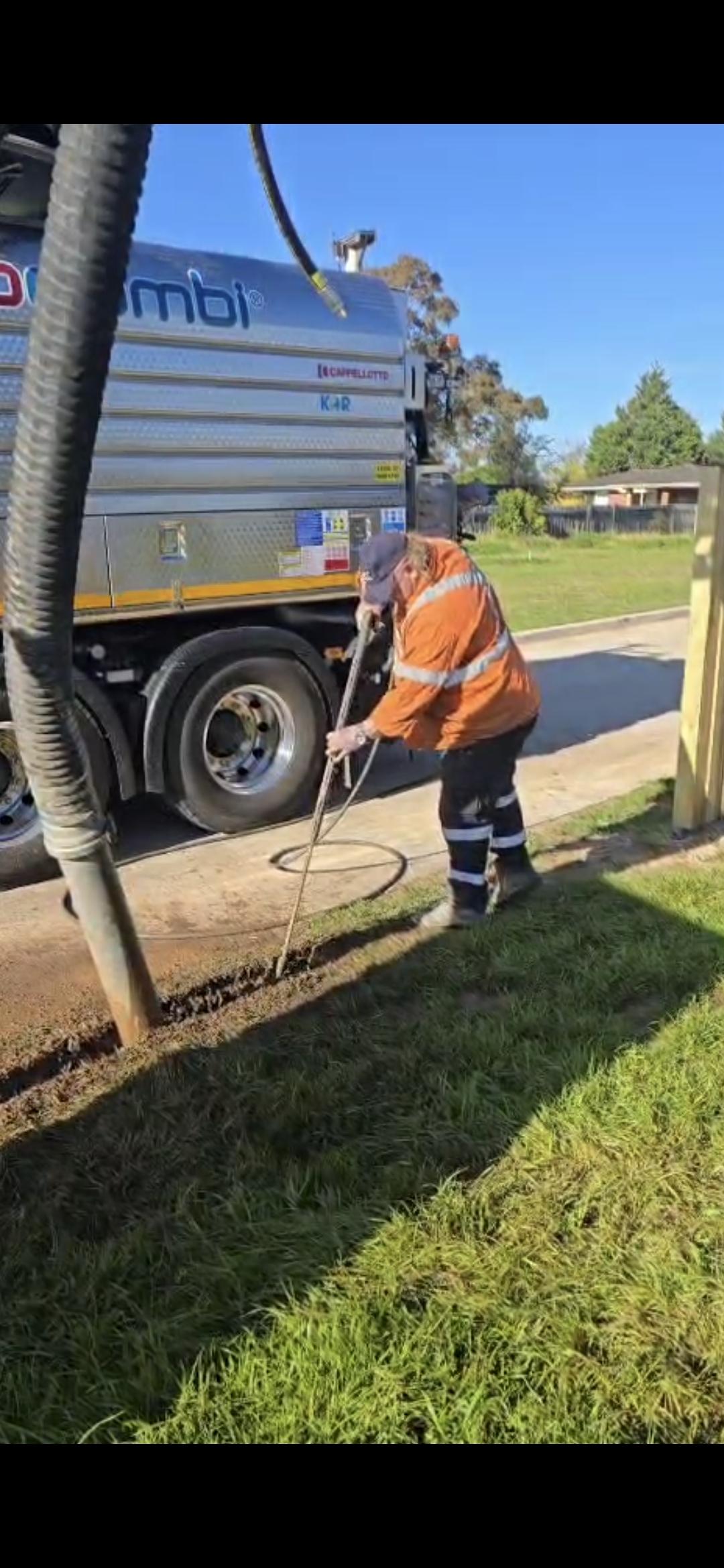
Digging into the ground is rarely as simple as it looks. Once a project reaches an established site, there may be water pipes, electrical cables, communication lines or drainage infrastructure sitting below the surface. Some services are clearly recorded, while others can be harder to identify with confidence. One wrong move with heavy machinery can turn a routine excavation into a costly problem.
This is why non destructive digging has become a useful option for construction and civil work. Rather than putting an excavator bucket straight into an area where services may be present, the soil can be loosened with water and removed using vacuum equipment. It gives the crew a more controlled way to see what is actually beneath the ground.
Sydney has plenty of locations where this approach can make sense. Busy roads, established suburbs, commercial properties and older infrastructure corridors can contain several underground services within a relatively small area. When excavation needs to take place around those services, having a method that allows the ground to be opened carefully can make the job easier to manage.
What Is Non Destructive Digging?
Non destructive digging is a controlled excavation technique generally involving pressurised water and a vacuum system. Water breaks up or loosens the soil, while the vacuum removes the material from the excavation. Instead of relying entirely on mechanical force, the operator can work through the ground in a more targeted way.
The technique is often used when a buried service needs to be exposed before other construction work continues. A contractor might need to locate a water main, confirm the position of an electrical cable or expose a telecommunications conduit. Once the service is visible, the project team has better information about what is underneath the work area.
The name can sometimes be misleading. No excavation method should be considered completely risk-free, and underground work still needs proper planning. The real advantage is the level of control the method can provide when compared with placing mechanical excavation equipment directly against a service that may be difficult to locate.
Why Does It Matter in Sydney?
Sydney has developed over many decades, and its underground infrastructure reflects that history. Newer services can sit alongside older pipes and conduits, while several utilities may pass through the same road corridor or construction area. This can make excavation more complicated than it first appears from the surface.
Existing plans and service information are valuable, but they do not always tell the whole story. A project team may know that a service should be somewhere within an area without knowing its exact depth or position. Physically exposing the service can provide useful information before larger excavation or construction work begins.
This is one of the situations where non destructive digging can be particularly useful. Instead of excavating a large section of ground simply to find one service, the contractor can create a controlled opening and investigate the area. That can save unnecessary disturbance and give the wider project a clearer picture of the conditions below ground.
How Does the Process Work?
The process starts with planning the excavation area and considering the underground services that may be present. Once the work area is prepared, pressurised water is used to loosen the soil. The operator can control the excavation around the target area rather than removing large quantities of earth without knowing what lies underneath.
The loosened soil becomes a mixture that can then be removed by a vacuum system. The material is drawn away from the excavation point and collected by the excavation equipment. This means the crew can continue exposing the ground without relying on a conventional excavator bucket to scrape around the buried asset.
As the excavation progresses, the service can gradually become visible. Its position and depth can then be checked before the project team decides how to proceed. For a contractor working around existing infrastructure, that information can be much more useful than simply relying on an assumed location shown on an old plan.
Where Is It Commonly Used?
There are plenty of situations where non destructive digging can be useful. Service exposure is one of the most common. Before a contractor installs a new pipe, cable or drainage system, they may need to identify existing infrastructure that could be affected by the proposed work.
Potholing and daylighting are also common applications. These involve creating small, targeted excavation points to establish the actual position of an underground service. Rather than opening an unnecessarily large trench, the contractor can investigate selected locations and use the findings to guide the next stage of the project.
The technique can also be useful around established infrastructure where mechanical excavation would require extra caution. Roads, industrial sites, commercial developments and utility corridors can all present situations where knowing exactly what is underground matters. The method is therefore not limited to one type of construction project.
Non Destructive Digging or Conventional Excavation?
Conventional excavation remains an important part of construction. Excavators are extremely effective when a project involves moving large amounts of soil, creating trenches or preparing a sizeable work area. There is no reason to replace that equipment where it is the most practical option.
The difference becomes more noticeable when excavation approaches an existing underground service. A mechanical bucket is designed to move earth efficiently, but working very close to an unknown pipe or cable requires much greater care. This is where a controlled excavation technique can offer an advantage.
In many cases, the two methods can work together rather than being treated as competing choices. Conventional machinery can handle bulk excavation, while non destructive digging can be used at sensitive points where services need to be located or exposed. The best approach depends on the project, site conditions and level of underground congestion.
| Project Requirement | Non Destructive Digging | Conventional Excavation |
| Exposing buried services | Well suited to targeted exposure | Requires careful mechanical work |
| Bulk soil removal | Better for smaller, controlled areas | Generally efficient for large quantities |
| Working around cables and pipes | Provides greater control around sensitive areas | Requires additional caution |
| Potholing and daylighting | Commonly used for these tasks | Less suited to precise service exposure |
| Restricted excavation areas | Can be useful where controlled excavation is needed | May require more room for machinery |
| Utility investigation | Helps physically confirm service locations | Not primarily designed for investigation |
| Larger earthworks | Can support selected areas | Usually the practical choice for bulk work |
The Connection Between Hydro Excavation and Vacuum Excavation
Hydro excavation is an important part of the process because water is used to loosen the ground. The water can break apart compacted soil without requiring a mechanical bucket to work directly against the service. This makes it possible to expose selected sections of ground with greater control.
Vacuum excavation deals with the other half of the process. Once the soil has been loosened, vacuum equipment removes the material from the excavation. This keeps the work area more manageable and allows the excavation to progress without creating a large pile of loose material around the opening.
Together, these techniques make non destructive digging particularly useful for service investigation. The operator can loosen and remove material progressively, inspect what is being uncovered and adjust the work as the actual underground conditions become clearer. That flexibility is valuable when the information available before excavation is incomplete.
What About Underground Service Locating?
Service locating should be treated as an important part of excavation planning rather than an afterthought. Before machinery arrives on site, the project team should gather available information about underground infrastructure. This can include service plans, asset records and information obtained through the appropriate referral services.
Australian workplace safety guidance also highlights the importance of checking underground services before excavation. Safe Work Australia advises contacting Before You Dig Australia to check the location of electrical cables and other underground services before excavation work starts.
Even after service information has been collected, there can still be uncertainty about the exact position or depth of an asset. That is where physical exposure becomes useful. Non destructive digging can help the crew verify what is actually in the ground before more extensive excavation takes place.
Planning the Work Properly
A successful excavation begins before the first section of soil is removed. The site team needs to understand why the excavation is required, which services may be present and what information needs to be confirmed. Having those details ready can prevent unnecessary digging once the equipment is on site.
Access is another practical consideration. Vacuum excavation equipment needs to be positioned close enough to the work area to operate effectively, while still allowing other site activities to continue safely. Traffic, pedestrians, nearby structures and other machinery may also need to be considered depending on the location.
Ground conditions can change the way the work is carried out. Hard-packed soil, wet ground, different soil layers and deeper excavation points can all affect the process. An experienced operator can assess those conditions and adjust the excavation approach rather than assuming every site will behave in the same way.
Before non destructive digging begins, the project team should also have a clear understanding of what happens after the service has been exposed. The information gained from the excavation should feed back into the construction plan so that the next stage can be completed with a better understanding of the underground conditions.
Important Checks Before Excavation
- Check current underground service information before work starts.
- Confirm the areas where services need to be exposed or investigated.
- Make sure equipment access and positioning have been considered.
- Review the ground conditions and surrounding site environment.
- Establish suitable controls for workers, machinery and the excavation area.
- Make sure everyone involved understands the planned excavation.
- Follow the applicable workplace health and safety requirements for the project.
These checks are not a substitute for a site-specific risk assessment. They are simply practical points that can help the excavation team prepare properly and avoid overlooking basic planning considerations.
Can It Help Reduce Project Delays?
A service strike can create much bigger problems than a few extra minutes spent carefully exposing the ground. Damaged infrastructure may need to be repaired, work may have to stop and other contractors can be left waiting. In some locations, an incident can also affect people or businesses relying on the damaged service.
This is why the value of non destructive digging is not only about the excavation itself. It can help the project team find out what is below the surface before committing to work that could be affected by it. Better information at the right stage can make later decisions easier.
That does not mean the method automatically makes a project faster. The time required depends on the ground, depth, equipment and amount of material being removed. Its value is more closely linked to controlled excavation and better information, particularly when existing infrastructure is part of the job.
Safety Still Comes First
Using specialized excavation equipment does not remove the need for safe work practices. Excavation can expose workers to a range of hazards, including unstable ground, moving plant, falling material and underground services. The controls needed will depend on the particular site and the work being undertaken.
Operators also need to understand the equipment they are using. Water pressure, vacuum systems and excavation depths all need to be managed appropriately. The surrounding work area should remain controlled while the excavation is underway.
For this reason, non destructive digging should be considered as one part of a broader excavation strategy. Good service information, suitable planning, trained operators and appropriate site controls all contribute to a safer outcome. The technology helps, but it does not replace sound construction practices.
When Should You Consider It?
There is no universal rule saying that every excavation near a service must use the same method. The decision depends on what needs to be excavated, the services present, the ground conditions and the wider project requirements.
However, non destructive digging is worth considering when a contractor needs to expose an underground asset before proceeding. It can also make sense when several services are close together, when the exact location of an asset is uncertain or when only a small section of ground needs to be investigated.
For Sydney projects, early consideration can make the planning process easier. The project team can work out where service exposure is needed, what equipment will be required and how the excavation will fit into the wider construction schedule.
Final Thoughts
Underground services are easy to forget because they cannot be seen from the surface. Once excavation begins, however, their presence can have a major effect on how the work needs to be carried out. Taking time to understand the ground before committing to larger excavation can prevent avoidable complications later.
Non destructive digging offers a practical way to investigate and expose underground infrastructure with greater control. By combining water excavation with vacuum removal, contractors can work carefully around buried services while gathering information that can help guide the next stage of construction.
For civil, commercial, industrial and infrastructure projects across Sydney and NSW, TDK Industrial Services can provide specialist support for excavation work involving underground services and controlled material removal. Project requirements can be discussed through the contact page.
Frequently Asked Questions
What is non destructive digging?
Non destructive digging is a controlled excavation technique that commonly uses pressurized water to loosen soil and vacuum equipment to remove it. It is often used where underground services need to be exposed without relying solely on mechanical excavation.
Is it suitable for excavation around underground services?
It can be particularly useful around buried pipes, cables and conduits because the soil can be loosened and removed in a controlled manner. However, service information and appropriate safety procedures are still required before work begins.
What is hydro excavation?
Hydro excavation uses pressurised water to break up or loosen soil. The loosened material is then generally removed using vacuum equipment. It is commonly used for targeted excavation and underground service exposure.
Why is utility exposure important?
Utility exposure allows a contractor to physically confirm where an underground service is located. This can provide useful information before trenching, drilling, construction or other excavation work continues in the same area.
Can non destructive digging be combined with conventional excavation?
Yes. The two methods can complement one another. Conventional machinery can be used for bulk earthworks, while non destructive digging can be used around sensitive areas where underground services need to be exposed or investigated.