
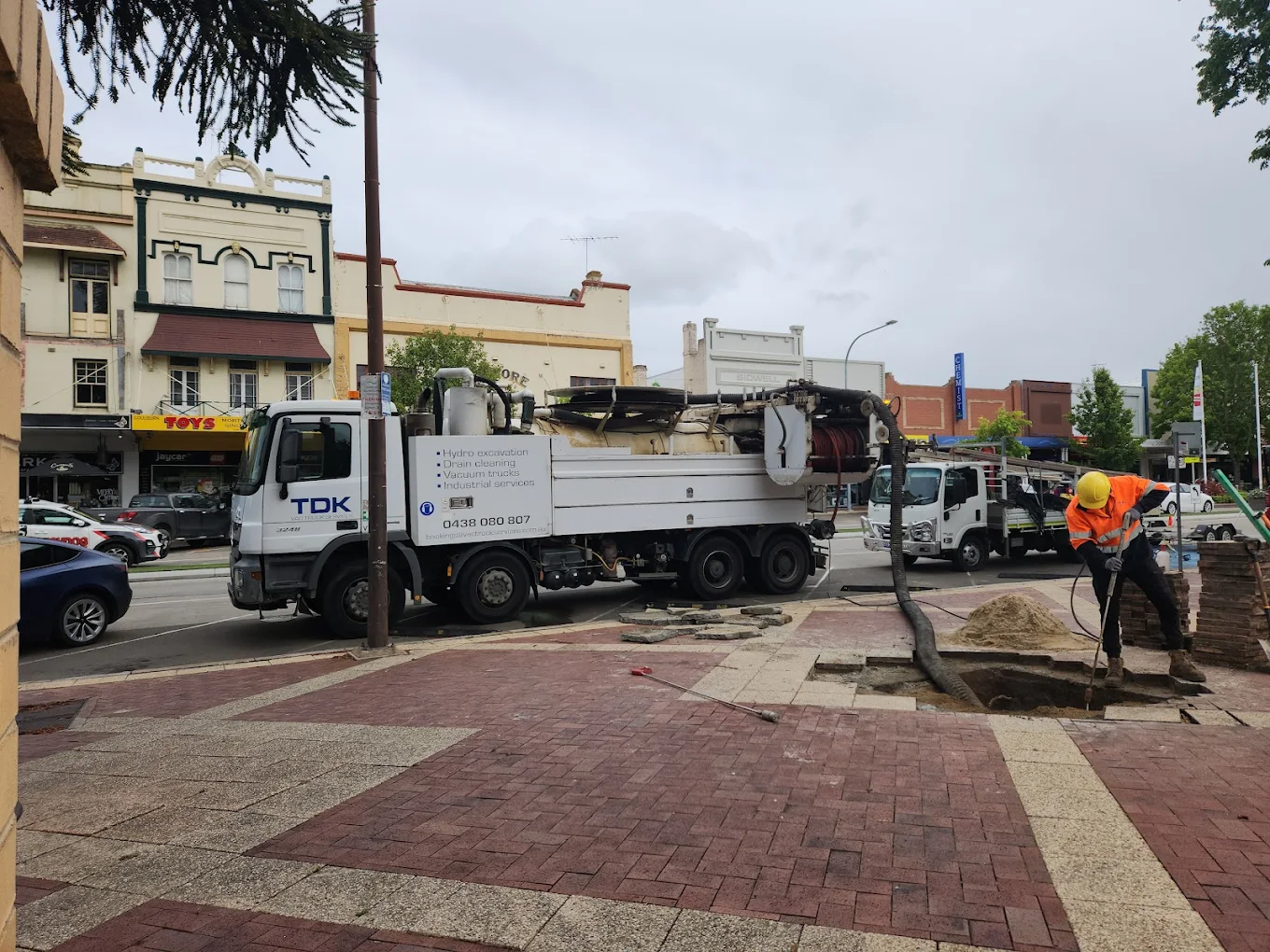
Non-destructive digging protects underground utilities by using controlled excavation methods that expose buried services without causing damage. Instead of relying only on mechanical equipment, hydro excavation combines high-pressure water and vacuum systems to safely locate pipes, cables and other infrastructure before major excavation begins.
Construction, civil works and infrastructure projects often involve working around hidden underground assets. Accidentally striking a gas line, electrical cable or telecommunications service can create serious safety risks, costly repairs and significant project delays. This is why careful planning and safer excavation techniques have become essential across Australia.
Why Non-Destructive Digging Protects Underground Utilities
Traditional excavation methods using excavators and heavy machinery can be effective for large-scale earthworks, but they can become risky when working close to existing underground services. Buried infrastructure is not always positioned exactly where old plans indicate, making accurate verification critical.
Non-destructive digging protects underground utilities by allowing operators to carefully remove soil around sensitive areas without damaging the surrounding assets. The process provides better visibility and control, helping construction teams confirm the exact location and depth of underground services before continuing with larger excavation activities.
TDK INDUSTRIAL SERVICES (NSW) PTY LTD uses modern excavation techniques designed to improve safety, accuracy and efficiency for projects where underground infrastructure needs to be identified and protected.
Understanding How Hydro Excavation Works
Hydro excavation is one of the most commonly used forms of non-destructive digging in Australia. It uses pressurised water to loosen soil, while a powerful vacuum system removes the material into a storage tank. This creates a controlled excavation process that reduces the chance of damage around underground assets.
The typical process involves:
- Site assessment and planning – Reviewing service information, site conditions and project requirements before work begins.
- Utility identification – Locating underground assets such as electrical cables, water pipes, gas lines and communication services.
- Controlled excavation – Using water and vacuum equipment to safely expose the required area.
- Service verification – Confirming the exact position, depth and condition of underground utilities.
- Site preparation or completion – Allowing construction teams to continue with accurate information.
This approach is particularly valuable in areas with congested underground infrastructure, including urban developments, road upgrades and commercial construction sites.
The Risks of Damaging Underground Services
Underground utilities are often hidden from view, but they support essential services that homes, businesses and communities rely on every day. Damaging these assets can have consequences far beyond simple repair costs.
Some common risks include:
- Electrical strikes that may cause serious injury or power outages
- Gas line damage creating dangerous leaks or fire hazards
- Water main breaks causing flooding and disruption
- Telecommunications damage affecting internet and communication services
- Expensive project delays while repairs and investigations take place
Australian excavation practices require businesses to identify underground hazards and implement suitable controls before starting work. Utility classification and information management are guided by standards such as AS 5488, which provides a framework for classifying subsurface utility information.
When Is Non-Destructive Digging Required?
Many industries rely on non-destructive digging when accuracy and safety are priorities. It is commonly used when excavation takes place near existing infrastructure or where the location of underground services needs to be confirmed.
Common applications include:
- Potholing to verify underground service locations
- Civil construction and infrastructure upgrades
- Road and footpath projects
- Telecommunications installations
- Drainage and plumbing works
- Electrical and gas service installations
- Commercial developments
Before excavation begins, contractors should also obtain underground service information through Before You Dig Australia and follow appropriate workplace safety procedures.
Benefits of Using Non-Destructive Digging Methods
Choosing safer excavation methods provides several advantages for project managers, builders and contractors.
Improved Safety
The biggest advantage is reducing the likelihood of accidental utility strikes. Controlled excavation allows workers to expose underground assets carefully rather than relying on assumptions.
Greater Accuracy
Non-destructive digging provides a clearer understanding of what exists below ground. This helps teams make better decisions before installing new infrastructure or modifying existing services.
Reduced Surface Damage
Because the excavation process is targeted, it can minimise disruption to surrounding areas such as roads, footpaths, landscaping and completed surfaces.
Better Project Efficiency
Although careful excavation requires planning, identifying utilities early can prevent costly delays caused by unexpected service conflicts.
Protecting Underground Infrastructure During Modern Construction
Australia continues to experience growth in residential developments, commercial projects and infrastructure upgrades. As construction becomes more complex, the need for accurate underground information becomes increasingly important.
A small mistake during excavation can create major problems. For example, a contractor installing new drainage may unexpectedly encounter electrical infrastructure that was not clearly documented. Without proper verification, continuing work could place workers and nearby properties at risk.
Using professional non-destructive digging services helps create a safer working environment while giving project teams confidence before proceeding.
TDK INDUSTRIAL SERVICES (NSW) PTY LTD supports projects requiring precise excavation solutions where protecting existing underground utilities is a priority. Their approach focuses on reducing risks while helping contractors complete works efficiently.
Choosing the Right Non-Destructive Digging Partner
Selecting an experienced excavation provider is important when working around critical infrastructure. A professional team should understand local conditions, follow safety procedures and use suitable equipment for each project.
Before engaging a provider, consider:
- Experience with similar excavation projects
- Knowledge of underground service requirements
- Modern hydro excavation equipment
- Commitment to workplace safety
- Ability to provide accurate service exposure and verification
Working with an experienced contractor reduces uncertainty and helps ensure excavation work is completed responsibly.
When to Call a Professional
If your project involves excavation near existing utilities, underground service locations are uncertain, or safety risks are a concern, professional assistance is the safest choice.
TDK INDUSTRIAL SERVICES (NSW) PTY LTD provides reliable non-destructive digging solutions designed to protect underground infrastructure while supporting construction and civil projects across Australia.
Contact TDK INDUSTRIAL SERVICES (NSW) PTY LTD today to discuss your excavation requirements and arrange a safer approach for locating and exposing underground utilities.
Conclusion
Non-destructive digging protects underground utilities by replacing guesswork with controlled, accurate excavation methods. By using hydro excavation technology, contractors can safely identify buried services, reduce risks and prevent costly damage during construction.
Whether you are working on a civil project, commercial development or infrastructure upgrade, protecting underground assets should always be a priority. Contact TDK INDUSTRIAL SERVICES (NSW) PTY LTD for professional non-destructive digging services that help keep your project safe and efficient.
Frequently Asked Questions
What is non-destructive digging?
Non-destructive digging is an excavation method that uses water and vacuum technology to safely expose underground services without damaging surrounding infrastructure.
Why is non-destructive digging safer than traditional excavation?
It provides greater control around buried utilities, reducing the risk of damaging electrical cables, pipes, gas lines and communication services.
Do I still need utility plans before using non-destructive digging?
Yes. Utility plans and service location information help excavation teams understand site conditions before work begins. Professional verification methods provide additional accuracy.
What types of projects use non-destructive digging?
Non-destructive digging is commonly used for civil construction, roadworks, telecommunications, drainage, electrical installations and commercial developments where underground services must be protected.