
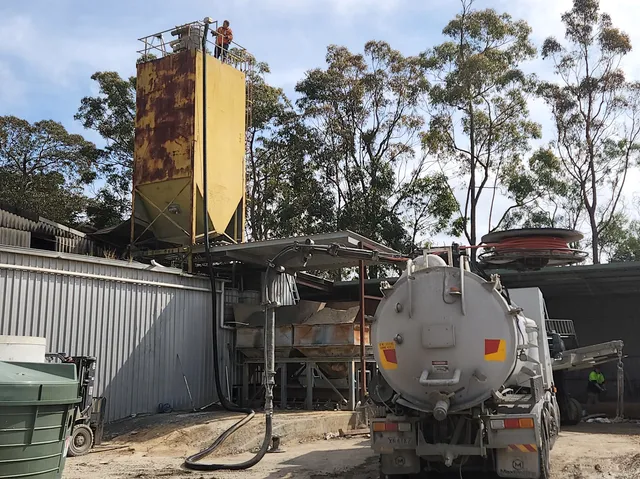
Vacuum excavation and mechanical excavation are two common approaches used for removing soil, but they serve very different purposes. Vacuum Excavation vs Mechanical Excavation comes down to precision, safety, project requirements, and the surrounding environment. Vacuum excavation is designed for controlled digging near sensitive infrastructure, while mechanical excavation is better suited for large-scale earthmoving where speed and volume are the priority.
Across Australia, construction teams, utility providers, and civil contractors often need to choose the right excavation method before starting work. Selecting the wrong approach can lead to damaged underground services, project delays, and unexpected repair costs.
Understanding Vacuum Excavation and How It Works
Vacuum excavation is a non-destructive digging method that uses high-pressure air or water to loosen soil before removing it with a powerful vacuum system. Instead of relying on buckets, teeth, or heavy mechanical force, this method carefully exposes underground areas while reducing the chance of damaging buried assets.
This technique is commonly used when working around underground utilities such as:
- Electrical cables
- Gas pipelines
- Water services
- Telecommunications lines
- Fibre optic networks
The process allows operators to carefully locate and expose services before larger excavation activities begin. This makes it particularly valuable for urban areas where underground infrastructure is complex and difficult to identify accurately.
TDK INDUSTRIAL SERVICES (NSW) PTY LTD understands that every excavation project has unique challenges. Choosing the right digging method early can improve safety, reduce disruption, and help projects stay on schedule.
How Mechanical Excavation Works
Mechanical excavation uses traditional heavy equipment such as excavators, backhoes, and loaders to remove large quantities of soil quickly. This method remains one of the most effective solutions for major earthworks, site preparation, trenching, and bulk material removal.
For open areas without nearby underground services, mechanical excavation provides excellent efficiency. Large machines can move significant volumes of earth in a shorter timeframe, making them ideal for:
- Building site preparation
- Road construction
- Large trenching projects
- Land clearing
- Foundation excavation
However, mechanical equipment applies direct physical force to the ground. When underground utilities are present, this approach requires careful planning and service location checks to avoid accidental damage.
Vacuum Excavation vs Mechanical Excavation: Main Differences
The key difference between these two methods is control. Mechanical excavation prioritises speed and capacity, while vacuum excavation focuses on accuracy and protection.
Precision and Safety
Vacuum excavation provides a much higher level of precision when digging around existing infrastructure. Because soil is removed through suction, operators can expose underground assets without making direct contact with them.
Mechanical excavation is powerful but requires greater clearance from underground services. A single strike on a gas line, electrical cable, or communication network can create serious safety risks and costly delays.
Project Size and Efficiency
Mechanical excavation is usually the better choice when large volumes of material need to be removed quickly. A large excavator can complete bulk earthmoving tasks far faster than a vacuum system.
Vacuum excavation is most effective for targeted digging, service locating, potholing, and areas where accuracy matters more than moving large amounts of soil.
Environmental Impact and Site Disturbance
Vacuum excavation creates smaller excavation areas and reduces unnecessary ground disturbance. This makes it suitable for sensitive locations, established properties, and areas with limited access.
Mechanical excavation can create more disruption due to larger equipment movement and wider excavation footprints. While this is not always a problem, it needs to be considered during planning.
When Should You Choose Vacuum Excavation?
Vacuum excavation is often the preferred option when safety and precision are critical. Many Australian projects use this method before construction begins to confirm the exact location of underground services.
You should consider vacuum excavation when:
- You are working near existing underground utilities.
- The location or depth of services is uncertain.
- The project requires minimal surface disruption.
- You need accurate potholing or service exposure.
- The site has restricted access or sensitive surroundings.
For example, a contractor installing new electrical infrastructure in an established suburb may use vacuum excavation first to safely expose existing cables before continuing with traditional excavation.
When Is Mechanical Excavation the Better Option?
Mechanical excavation remains essential for major construction and earthmoving projects. It provides the power required to move significant amounts of soil efficiently.
This method is commonly suitable for:
- New developments
- Large foundation works
- Bulk excavation
- Drainage construction
- Open-access earthworks
The right choice depends on the project conditions, soil type, site layout, and the presence of underground infrastructure.
Australian Safety Considerations for Excavation Work
Excavation projects must follow appropriate workplace safety practices and comply with relevant Australian workplace health and safety requirements. Before digging, contractors should identify underground services, assess site risks, and implement suitable control measures.
Using non-destructive digging methods where required can help reduce risks associated with underground service strikes. Proper planning, trained operators, and suitable equipment all contribute to safer project outcomes.
Professional excavation providers also consider factors such as soil conditions, access limitations, environmental requirements, and project timelines before recommending a solution.
Choosing the Right Excavation Method for Your Project
There is no single excavation method that suits every situation. The best approach depends on what you need to achieve.
Vacuum excavation is ideal when accuracy, safety, and underground service protection are priorities. Mechanical excavation is better when the goal is moving large amounts of material efficiently.
Many projects use both methods together. Vacuum excavation may be used first to safely identify services, followed by mechanical excavation for larger earthmoving tasks.
TDK INDUSTRIAL SERVICES (NSW) PTY LTD provides excavation solutions designed around project requirements, helping clients choose the most practical and safe approach for their site.
When to Call a Professional
Choosing between excavation methods requires experience, planning, and an understanding of site conditions. If you are unsure whether your project requires vacuum excavation or mechanical excavation, speaking with an experienced excavation contractor can help prevent costly mistakes.
TDK INDUSTRIAL SERVICES (NSW) PTY LTD can assess your site requirements, recommend the appropriate excavation approach, and provide professional support for safe and efficient works across Australia.
Conclusion
Understanding the difference between vacuum excavation and mechanical excavation helps you make better decisions for your construction or infrastructure project. Vacuum excavation offers precision and protection around underground services, while mechanical excavation provides the power needed for large-scale earthmoving.
By assessing your site conditions, safety requirements, and project goals, you can select the right excavation solution. For expert guidance and reliable excavation services, contact TDK INDUSTRIAL SERVICES (NSW) PTY LTD to discuss your upcoming project.
Frequently Asked Questions
What is the main difference between vacuum excavation and mechanical excavation?
Vacuum excavation uses suction combined with air or water to carefully remove soil, while mechanical excavation uses heavy machinery to physically dig and remove material. Vacuum excavation focuses on precision, while mechanical excavation focuses on speed and volume.
Is vacuum excavation safer than mechanical excavation?
Vacuum excavation is generally safer when working near underground utilities because it reduces direct contact with buried services. It is commonly used for locating and exposing cables, pipes, and other infrastructure before further excavation.
Can vacuum excavation replace mechanical excavation?
Not always. Vacuum excavation is excellent for precise digging and service exposure, but mechanical excavation is usually more efficient for large-scale earthmoving projects.
When should I use vacuum excavation for my project?
Vacuum excavation is recommended when working near underground utilities, in restricted areas, or where avoiding ground damage is important. It is especially useful for potholing, service locating, and sensitive excavation tasks.