
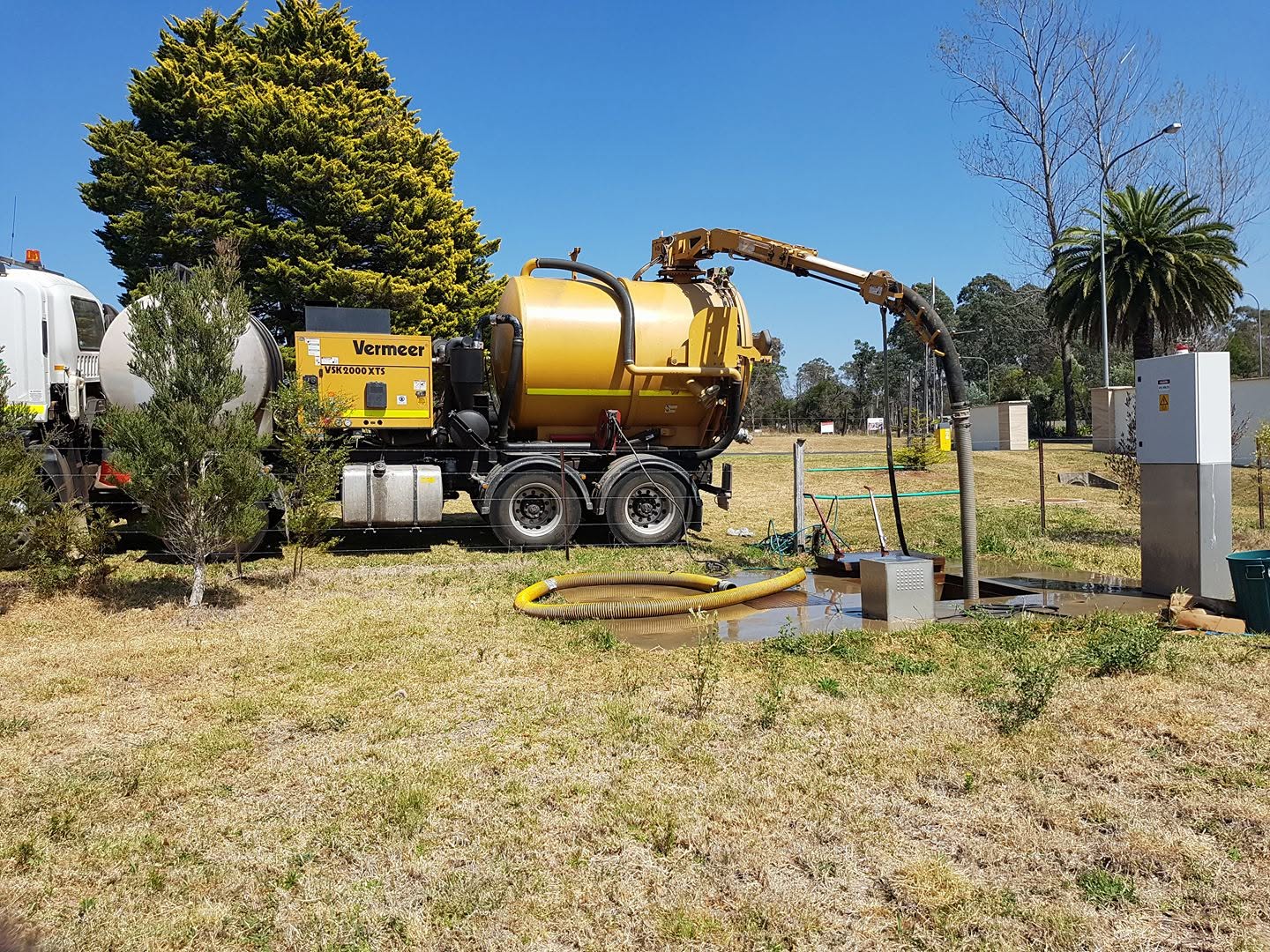
Potholing is a precise excavation method used to locate and expose underground utilities before construction begins. It helps confirm the exact position of pipes, cables and other services, reducing the risk of damage, delays and costly repairs during excavation work.
Before breaking ground on any construction project, knowing what exists beneath the surface is critical. Underground services are not always positioned exactly where drawings indicate, which makes verification an important step for builders, contractors and civil teams across Australia.
Understanding Potholing and Why Is It Important Before Construction
Potholing, also known as daylighting or utility exposure, involves carefully excavating a small test hole to physically confirm the location, depth and condition of underground assets. Unlike traditional mechanical excavation, potholing uses controlled techniques such as vacuum excavation to remove soil around sensitive infrastructure without causing unnecessary damage.
Construction sites often contain hidden services including:
- Electrical cables
- Gas pipelines
- Water mains
- Telecommunications infrastructure
- Sewer and drainage systems
- Fibre optic networks
Even with detailed site plans and underground service searches, conditions below ground can vary due to previous construction work, inaccurate records or changes made over time. Potholing provides physical confirmation before major excavation begins.
Why Underground Utility Verification Matters Before Construction
Hitting an underground service can create serious safety hazards, project delays and unexpected costs. A damaged gas line, electrical cable or water main can affect workers, nearby properties and surrounding infrastructure.
For construction professionals, potholing provides confidence before using heavy machinery such as excavators, trenchers or drilling equipment.
The main reasons contractors use potholing include:
Improved Site Safety
Safety is one of the biggest benefits of confirming underground services before excavation. A machine operator may not see buried infrastructure until damage has already occurred.
By exposing utilities first, teams can work around known locations and reduce the likelihood of accidental strikes.
Reduced Construction Delays
Unexpected underground obstacles can quickly slow down a project. Repairing damaged services, waiting for inspections or redesigning excavation plans can impact deadlines and budgets.
Potholing helps identify potential conflicts early, allowing construction teams to plan more effectively.
Protection of Existing Infrastructure
Many underground assets are expensive and time-consuming to repair. Fibre networks, electrical systems and water infrastructure require specialist repairs when damaged.
A controlled excavation approach helps protect these important services while allowing construction work to continue safely.
How Does Potholing Work?
The potholing process focuses on accuracy and minimal disturbance. While methods can vary depending on soil conditions and project requirements, the general process includes:
- Reviewing service information
Contractors assess available utility plans, site drawings and underground service records. - Locating the target area
The proposed excavation point is identified and marked before digging begins. - Using non-destructive excavation methods
Vacuum excavation equipment uses water or air to loosen soil while a powerful vacuum removes material from around underground services. - Confirming utility position
Once exposed, the service location and depth can be accurately recorded. - Completing construction safely
Workers can continue excavation with a clear understanding of what is below the surface.
This approach is commonly used for civil construction, roadworks, commercial developments, infrastructure projects and utility installations.
Potholing vs Traditional Excavation Methods
Traditional excavation relies on machinery to remove large amounts of soil quickly. While this is effective for open excavation, it creates greater risk when working near unknown underground services.
Potholing provides a more controlled solution by focusing only on the areas requiring verification.
Key differences include:
- Traditional excavation: Faster for large-scale earth removal but carries higher risk around buried utilities.
- Potholing: Slower and more precise, designed specifically for locating and protecting underground assets.
- Mechanical digging: Uses force that may damage unexpected services.
- Vacuum excavation: Removes soil carefully while reducing contact with sensitive infrastructure.
For projects involving underground utilities, precision is often more valuable than speed alone.
Australian Construction Requirements and Safe Digging Practices
Across Australia, safe excavation practices are essential when working near underground services. Contractors should follow recognised industry procedures, including obtaining underground service information before digging.
The Before You Dig Australia service helps provide information about underground infrastructure near proposed excavation areas. However, service plans should be treated as guidance rather than a complete substitute for physical verification.
Australian Standard AS 5488 provides guidance for the classification and management of subsurface utility information, helping improve consistency when identifying underground assets.
Professional excavation teams combine planning, locating technology and safe digging methods to minimise risks throughout construction projects.
When Should You Use Potholing Before Construction?
Potholing is beneficial for many construction situations where underground conditions need to be confirmed before work begins.
Common applications include:
- Installing new underground services
- Road and infrastructure upgrades
- Commercial construction projects
- Excavation near existing utilities
- Drilling and boring operations
- Civil engineering works
- Utility maintenance projects
If your project involves digging near existing infrastructure, potholing can provide valuable information before excavation starts.
When to Call a Professional
Working around underground utilities requires specialised equipment, experience and proper safety procedures. Attempting to locate or expose services without suitable knowledge can increase the risk of injury, damage and costly repairs.
TDK INDUSTRIAL SERVICES (NSW) PTY LTD provides professional excavation solutions designed to help construction teams safely identify underground services before work begins. With the right equipment and industry experience, professional potholing services can help reduce uncertainty and improve project outcomes.
Contact TDK INDUSTRIAL SERVICES (NSW) PTY LTD to discuss your excavation requirements and find a safer approach for your next construction project.
Conclusion
Potholing plays an important role in modern construction by helping teams confirm underground service locations before excavation begins. It provides a safer, more accurate way to protect essential infrastructure while reducing unexpected project issues.
Whether you are managing a civil project, commercial development or utility installation, verifying what is below the surface can prevent costly mistakes. For reliable excavation support and professional advice, contact TDK INDUSTRIAL SERVICES (NSW) PTY LTD for assistance with your upcoming project.
Frequently Asked Questions
What is potholing in construction?
Potholing is a small, controlled excavation process used to expose and verify underground utilities before larger construction activities begin. It confirms the location and depth of buried services.
Is potholing the same as vacuum excavation?
Potholing often uses vacuum excavation techniques, but the terms describe slightly different things. Vacuum excavation is the method used to safely remove soil, while potholing refers to the purpose of creating a test excavation to locate utilities.
Why is potholing important before digging?
Potholing helps prevent accidental damage to underground services by confirming their exact location before excavation equipment is used.
How deep can potholing identify underground utilities?
The depth depends on site conditions, equipment and project requirements. Professional operators assess each location carefully to safely expose required services.