Industrial Liquid Waste Removal is the process of safely collecting, transporting, treating, and disposing of liquid waste generated by industrial operations. It helps businesses manage wastewater, chemicals, sludge, oils, and contaminated liquids while reducing environmental risks and maintaining compliance with Australian requirements.
Industries such as manufacturing, construction, mining, automotive, food processing, and engineering facilities often produce liquid waste as part of their daily operations. Without proper handling, these materials can create safety hazards, damage the environment, and lead to compliance issues.
Understanding Industrial Liquid Waste and Why It Needs Professional Management
Industrial liquid waste can include a wide range of materials depending on the type of business and production processes involved. Unlike general wastewater, industrial liquids may contain oils, chemicals, heavy metals, solvents, contaminants, or other substances that require specialised handling.
Businesses cannot simply dispose of these materials through standard drains or unsuitable disposal methods. Liquid waste must be assessed, stored correctly, transported safely, and processed through appropriate facilities.
Common examples of industrial liquid waste include:
- Oily water from workshops and machinery areas
- Chemical residues from manufacturing processes
- Wastewater containing contaminants
- Sludge from industrial treatment systems
- Grease, fats, and organic liquid waste
- Contaminated liquids from cleaning operations
The right management approach depends on the type of waste produced, its level of contamination, and the requirements for safe treatment or disposal.
Industrial Liquid Waste Removal Process Explained
The process involves several important stages to ensure waste is managed responsibly from collection through to final treatment.
Waste Assessment and Identification
The first step is understanding exactly what type of liquid waste a business generates. Experienced waste specialists assess the material, determine its classification, and identify the safest handling method.
This assessment helps prevent incorrect disposal and ensures compatible treatment solutions are selected.
Safe Storage Before Collection
Industrial liquid waste needs to be stored in suitable containers or tanks to prevent leaks, spills, and contamination risks. Storage areas should be secure, clearly labelled, and managed according to workplace safety requirements.
Businesses should avoid mixing different waste types unless they have been assessed as compatible. Combining unsuitable liquids can create dangerous reactions or make treatment more difficult.
Collection Using Specialist Equipment
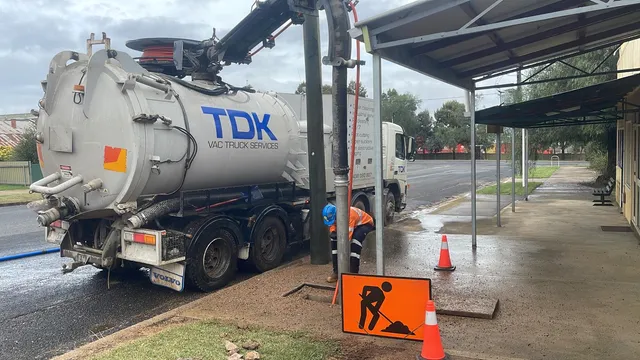
Once the waste is ready for removal, specialised vehicles and equipment are used to collect and transport the material safely.
Professional providers use appropriate pumping equipment, vacuum systems, and containment methods to reduce the risk of spills during collection.
TDK INDUSTRIAL SERVICES (NSW) PTY LTD supports businesses by providing structured solutions designed around their specific waste requirements, helping reduce disruption to daily operations.
Transportation and Tracking
After collection, industrial liquid waste is transported to approved treatment or disposal facilities. Proper documentation and tracking are important parts of responsible waste management.
Maintaining accurate records helps businesses demonstrate that waste has been handled correctly and supports ongoing environmental compliance.
Treatment and Final Disposal
The final stage involves processing the waste through suitable treatment methods. Depending on the material, this may include separation, filtration, recycling, recovery, or controlled disposal.
Some liquid waste streams can be treated and reused, while others require specialist disposal due to their environmental impact.
Why Businesses Need Professional Industrial Liquid Waste Removal
Managing industrial waste internally without the right equipment or knowledge can expose businesses to unnecessary risks. Professional waste services provide expertise, specialised equipment, and reliable processes.
Key benefits include:
- Improved compliance
Professional management helps businesses meet environmental responsibilities and avoid improper disposal practices. - Reduced workplace risks
Handling chemicals, oils, and contaminated liquids incorrectly can create health and safety hazards. - Environmental protection
Proper treatment prevents harmful substances entering waterways, soil, and surrounding environments. - Operational efficiency
Outsourcing waste removal allows businesses to focus on their core operations without managing complex waste processes.
Australian businesses generating liquid waste must consider relevant state-based environmental regulations and waste transport requirements. Requirements can vary depending on the type of waste, location, and disposal pathway.
Common Industries That Require Liquid Waste Solutions
Many Australian industries rely on professional liquid waste services to maintain safe and compliant operations.
These include:
- Manufacturing facilities managing process waste
- Automotive workshops handling oils and fluids
- Construction sites dealing with contaminated water and sludge
- Food processing businesses managing organic liquid waste
- Mining operations requiring specialised waste handling
- Engineering businesses producing industrial residues
Each industry creates different waste challenges, which is why a tailored approach is essential.
How Businesses Can Reduce Industrial Liquid Waste
While professional removal is important, businesses can also reduce the amount of waste they generate through better processes.
Practical steps include:
- Regular equipment maintenance to prevent leaks
- Improving production efficiency to reduce waste generation
- Separating different waste streams correctly
- Training employees on safe handling procedures
- Reviewing opportunities for recycling or recovery
Small improvements can reduce disposal costs while supporting better environmental outcomes.
Choosing the Right Industrial Waste Partner
Selecting a reliable provider is an important decision for any business producing industrial liquid waste. The right partner should understand your industry, provide safe collection methods, and follow appropriate environmental practices.
Look for a provider that offers:
- Experience handling industrial waste streams
- Reliable collection schedules
- Safe transport processes
- Clear communication and documentation
- Solutions suited to your specific business needs
TDK INDUSTRIAL SERVICES (NSW) PTY LTD works with Australian businesses requiring dependable waste management support and practical solutions for complex liquid waste challenges.
When to Call a Professional
If your business produces contaminated water, chemical liquids, oily waste, sludge, or other industrial materials, professional assistance can help ensure the waste is managed safely.
You should contact TDK INDUSTRIAL SERVICES (NSW) PTY LTD when you need reliable Industrial Liquid Waste Removal, scheduled collections, specialist advice, or support managing difficult waste streams. Their experienced team can help identify the right approach for your workplace while supporting safer and more responsible waste practices.
Conclusion
Industrial liquid waste requires careful planning, specialist equipment, and responsible handling from collection through to final disposal. By understanding the removal process and working with experienced professionals, businesses can reduce risks, protect the environment, and maintain smoother operations.
Whether you operate a workshop, manufacturing facility, construction business, or industrial site, having a dependable waste management solution is essential. Contact TDK INDUSTRIAL SERVICES (NSW) PTY LTD for professional support with your liquid waste requirements across Australia.
Frequently Asked Questions
What is Industrial Liquid Waste Removal?
Industrial Liquid Waste Removal involves collecting, transporting, treating, and disposing of liquid waste produced by industrial activities in a safe and compliant way.
What types of liquid waste can industries generate?
Industries can produce wastewater, oily liquids, chemical residues, sludge, contaminated water, and other process-related liquid waste depending on their operations.
Why should businesses use professional liquid waste services?
Professional services provide the correct equipment, safe handling procedures, and knowledge required to manage waste responsibly while reducing environmental and compliance risks.
How often should industrial liquid waste be removed?
The frequency depends on the volume and type of waste produced. Some businesses require regular scheduled collections, while others may need removal based on operational demand.