
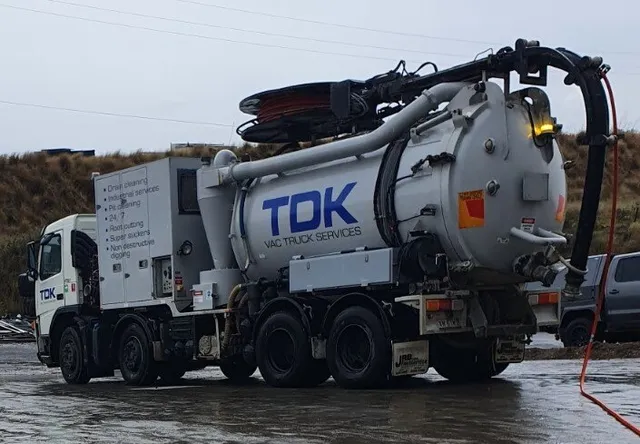
When excavation work involves underground pipes, cables or other buried infrastructure, knowing where to dig is only part of the challenge. The next question is how to remove the surrounding soil without causing unnecessary damage.
Traditional excavation equipment can move large amounts of material quickly, but it can be difficult to control around existing underground assets. This is where hydro excavation Sydney projects can benefit from a more precise approach.
Hydro excavation combines pressurized water with powerful vacuum equipment to break up and remove soil. Instead of relying entirely on mechanical digging, the process allows operators to carefully expose buried services and create targeted excavations.
This makes it useful across civil construction, utilities, infrastructure, commercial developments and industrial projects where underground assets need to be located or exposed.
What Is Hydro Excavation?
Hydro excavation is a form of non-destructive digging that uses water to loosen soil before a vacuum system removes the resulting slurry.
The process is relatively straightforward. Water is directed at the ground to break up compacted material. The loosened soil and water are then collected by a vacuum excavation truck and transferred into the vehicle’s tank.
The approach provides greater control when excavation is required around existing services. It can be particularly useful where conventional mechanical excavation could create a greater risk of striking a buried pipe, cable or other asset.
How the Process Works
A typical hydro excavation project involves several stages.
First, the work area needs to be assessed and underground service information reviewed. The excavation location and required depth are then considered before the equipment is positioned.
Water is used to loosen the soil in the selected area. The vacuum system removes the loosened material, creating an excavation or exposing the service below.
Once the required asset has been located and exposed, the excavation can continue according to the project requirements.
The exact process depends on the ground conditions, depth, size of the excavation and type of underground service involved.
Why Hydro Excavation Sydney Projects Use Non-Destructive Digging
Sydney has an extensive network of underground infrastructure. Water, gas, electricity, telecommunications and drainage services can all occupy the same general working environment.
That creates an obvious challenge for construction and infrastructure crews. Excavating without sufficient information about what is below the surface can result in damaged services, delays and serious safety consequences.
SafeWork NSW specifically advises businesses to obtain current information about underground essential services before excavation begins. It also highlights the risks associated with working around underground services.
This is one reason hydro excavation Sydney contractors can be valuable for projects where controlled excavation is required around existing infrastructure.
Rather than removing a large area of soil with heavy mechanical equipment, hydro excavation can allow the operator to work more selectively.
Key Benefits of Hydro Excavation
Hydro excavation is not intended to replace every traditional excavation method. Its value comes from situations where precision, service protection and controlled material removal are important.
Reduced Risk Around Underground Services
One of the biggest advantages is the ability to expose buried assets using water and vacuum rather than relying solely on mechanical digging.
When working close to existing infrastructure, reducing the chance of accidental contact is a major consideration.
SafeWork NSW notes that underground services can include electrical, gas, water and telecommunications infrastructure, and contact with these services can cause serious injury, service disruption and other consequences.
Greater Excavation Control
Hydro excavation allows operators to concentrate the work in a defined area.
This can be useful for potholing, service exposure and other jobs where only a limited section of ground needs to be removed.
Less Mechanical Ground Disturbance
Because water and vacuum do much of the excavation work, there can be less reliance on buckets, teeth and other mechanical digging tools directly around the service being exposed.
That can make the method particularly useful when existing infrastructure needs to remain protected.
Efficient Removal of Wet Material
The vacuum system collects the soil and water mixture directly into the excavation truck. This reduces the need for workers to manually remove loose slurry from the excavation.
The material can then be managed according to the requirements of the project and the type of material collected.
Common Applications for Hydro Excavation Sydney Work
Hydro excavation can be used for a wide range of civil, utility and infrastructure tasks. The right application depends on the site conditions and project requirements.
| Application | How Hydro Excavation Helps | Typical Project Need |
| Service locating | Removes soil carefully around buried assets | Confirming the position and depth of pipes and cables |
| Potholing | Creates a targeted excavation to expose a service | Planning construction around existing infrastructure |
| Utility exposure | Clears surrounding material from underground assets | Inspection, maintenance or connection work |
| Pipe exposure | Allows sections of buried pipe to be uncovered | Repairs, replacement or assessment |
| Telecommunications work | Helps expose underground conduits and services | Installation and infrastructure upgrades |
| Civil construction | Provides controlled excavation in congested areas | Roads, developments and infrastructure projects |
| Asset investigation | Removes selected soil without broad excavation | Confirming asset location before construction |
| Non-destructive digging | Uses water and vacuum instead of conventional mechanical digging in sensitive areas | Working around existing underground infrastructure |
The flexibility of the method is one of its main strengths. A project may require only a few small potholes, while another job may involve extensive service exposure across a larger worksite.
Hydro Excavation for Service Locating and Potholing
Service locating is one of the most common reasons contractors use hydro excavation.
Before major construction starts, a project team may need to confirm the actual position of an underground service. Plans and records are important, but physical verification can still be necessary.
Potholing involves creating a targeted excavation to expose the service so its position, depth and characteristics can be confirmed.
This can help construction teams make better decisions before larger excavation work begins.
Why Potholing Matters
Underground services do not always follow the exact path a worker might expect. Plans may also not show every change made during previous construction.
NSW Government guidance warns against assuming the depth or alignment of underground cables and pipes and recommends checking available service information before digging.
For this reason, potholing with suitable non-destructive digging equipment can be an important part of project preparation.
Hydro Excavation Around Pipes and Cables
Existing underground assets require careful consideration during excavation.
A mechanical excavator can remove soil rapidly, but its digging force can create problems if the bucket or attachment contacts an underground pipe or cable.
Hydro excavation uses pressurized water to loosen the soil and a vacuum system to remove it. This provides a controlled way to expose the surrounding area.
The method is especially useful when a project involves congested underground corridors where several services may be present.
However, hydro excavation should not be treated as a substitute for proper service information, planning and site controls. SafeWork NSW requires current underground essential services information to be obtained before relevant excavation work begins.
Hydro Excavation vs Traditional Excavation
Traditional excavation remains an important part of construction. Large earthmoving equipment is often the most practical option when substantial quantities of soil need to be removed across an open area.
Hydro excavation becomes more attractive when the work requires greater precision.
For example, removing several cubic meters of soil from an open construction site may be straightforward with conventional machinery. Exposing a narrow section of telecommunications conduit beside an existing gas service is a very different task.
The right method depends on:
- Ground conditions
- Excavation depth
- Location and type of underground services
- Amount of material that needs to be removed
- Access available to the work area
- Required level of precision
- Project safety requirements
There is no single excavation technique that suits every site.
When Should You Consider Hydro Excavation?
Hydro excavation can be particularly useful when conventional digging creates unnecessary risk or disturbance.
Consider the method when:
Underground Services Are Present
If the work area contains known or suspected pipes, cables or conduits, controlled excavation can be advantageous.
The Site Is Congested
Busy urban areas can contain multiple underground services within a relatively small space. Precision becomes more important when there is limited room for error.
You Need to Confirm Service Locations
Potholing and asset exposure can provide physical confirmation before larger construction activities begin.
Access Is Restricted
Some sites provide limited room for conventional excavation equipment. Vacuum excavation equipment may offer greater flexibility depending on site access and truck positioning.
Ground Needs to Be Removed Selectively
If only a small area needs to be opened, using a large excavator may not be the most practical approach.
Safety Considerations for Hydro Excavation
Hydro excavation can reduce certain risks associated with mechanical digging, but excavation work still needs proper planning and controls.
SafeWork NSW identifies excavation as potentially high-risk work and highlights hazards including ground collapse, falls, falling objects and exposure to airborne contaminants.
Underground service information should be obtained before work starts, and workers need to understand the hazards associated with the specific site.
Service Information Should Come First
Hydro excavation does not mean workers can simply start digging wherever they choose.
Current service information should be reviewed before excavation begins. Depending on the project, additional locating and verification processes may also be required.
Site Conditions Need to Be Assessed
Soil type, excavation depth, surrounding structures, traffic, weather and access can all affect the work.
For deeper excavations or higher-risk activities, additional controls may be required under NSW work health and safety requirements.
Equipment Must Be Suitable
The vacuum truck, water pressure, hoses and other equipment need to be appropriate for the job. Operators should understand how the equipment behaves under the specific ground and site conditions.
How to Choose a Hydro Excavation Contractor
Choosing the right contractor is about more than finding someone with a vacuum truck.
A suitable provider should understand the type of work being undertaken and have experience working around underground infrastructure.
Check the Contractor’s Experience
Ask about previous experience with civil construction, utilities, infrastructure or industrial projects similar to yours.
Ask About Equipment
Different projects can require different equipment configurations. Discuss access, excavation depth, material volume and the type of service being exposed.
Discuss Site Requirements
A good contractor should be prepared to understand the site before work begins rather than treating every project as identical.
Confirm the Scope
Make sure everyone understands what needs to be exposed, how much material is expected to be removed and how the excavated material will be handled.
Clear communication before mobilization can prevent avoidable delays later.
Planning a Hydro Excavation Sydney Project
Good planning can make the excavation process smoother.
Before booking a contractor, gather as much information as possible about the site. This can include available service plans, project drawings, access restrictions, excavation dimensions and details about known underground infrastructure.
The contractor can then assess the requirements and determine what equipment and approach are appropriate.
If the project involves high-risk construction work, the relevant safety documentation and site controls also need to be addressed before work begins.
NSW legislation requires current underground essential services information to be obtained before excavation work and requires risks associated with excavation to be managed.
This is not simply paperwork. Knowing what is below the ground can directly influence how the excavation should be carried out.
The Role of Hydro Excavation in Modern Civil Projects
As construction becomes more complex, existing infrastructure is increasingly something contractors have to work around rather than simply remove or relocate.
Road upgrades, telecommunications projects, utility works, commercial developments and infrastructure maintenance can all involve excavation near buried assets.
Hydro excavation Sydney services provide an option when a project needs controlled soil removal without depending entirely on conventional mechanical excavation.
The method is particularly valuable where accuracy matters. By combining pressurized water with vacuum excavation, crews can expose selected areas and gather the removed material efficiently.
It is not a shortcut around proper planning. Instead, it is a specialized excavation technique that works best when combined with good site preparation, service locating and experienced operators.
Conclusion
Underground excavation requires more than simply removing soil. When pipes, cables and other essential infrastructure are already present, the excavation method can make a significant difference to project safety, accuracy and efficiency.
Hydro excavation Sydney provides a controlled option for exposing underground assets, potholing, utility work and other civil and infrastructure applications. By combining pressurised water with vacuum removal, the process can reduce reliance on mechanical digging in areas where greater precision is needed.
For projects that require specialist hydro excavation, non-destructive digging or vacuum excavation support across Sydney and NSW, TDK Industrial Services can discuss the site requirements and suitable approach. Contact the team to discuss your upcoming excavation project.
Frequently Asked Questions
1. What is hydro excavation Sydney work used for?
Hydro excavation Sydney projects commonly use the method for potholing, service exposure, utility locating support, pipe exposure and other excavation tasks where underground assets need to be accessed carefully.
2. Is hydro excavation the same as non-destructive digging?
Hydro excavation is a form of non-destructive digging. It uses pressurised water to loosen soil and a vacuum system to remove it, making it useful for controlled excavation around underground services.
3. Can hydro excavation expose underground cables?
It can be used to expose underground cables and other buried services, subject to appropriate planning, service information, equipment selection and site safety controls.
4. When is hydro excavation better than mechanical excavation?
It can be advantageous when precision is important, particularly around existing underground services or when only a small section of ground needs to be removed. Large open excavations may still be better suited to conventional earthmoving equipment.
5. Do I need underground service information before excavation?
Yes. SafeWork NSW states that current underground essential services information should be obtained before excavation work begins