Digging into the ground without knowing what is underneath can quickly turn a routine construction job into a serious problem. Water mains, sewer pipes, gas lines, electrical cables and telecommunications conduits may all run beneath a worksite, and not every service is easy to identify from surface-level information.
That is where utility locating Sydney services can make a real difference. Before excavation, trenching, boring or installation begins, contractors need a clear understanding of the underground environment. Proper locating and exposure work can help reduce the chance of striking a service and give the site team better information for planning the next stage of the job.
For projects where underground assets need to be safely exposed, TDK Industrial Services provides utility locating Sydney services using hydro excavation and non-destructive digging methods.
Why Underground Service Locating Matters
Construction sites rarely have a completely clear underground layout. Existing plans can provide useful information, but plans may not always show every service, particularly on older sites, private properties or areas that have undergone several upgrades.
A contractor may know that a service is somewhere within a work area without knowing its exact position or depth. Excavating based on an assumption can create unnecessary risk.
Utility locating Sydney helps project teams investigate these areas before heavy excavation takes place. Instead of relying solely on drawings or estimates, underground assets can be located and, where required, physically exposed for verification.
This is particularly useful for civil construction, infrastructure upgrades, utility installation, commercial developments and industrial maintenance projects.
SafeWork NSW states that current underground essential-services information should be obtained before excavation work starts, including information relating to the workplace and adjacent areas.
What Can Be Found Underground?
Underground infrastructure varies considerably from one property or project to another. A worksite may contain several different services in the same area, sometimes running close together or crossing one another.
Common underground assets include:
- Water mains and water supply pipes
- Sewer and drainage infrastructure
- Gas lines
- Electrical cables
- Telecommunications cables and conduits
- Underground piping
- Service connections
- Private underground infrastructure
The purpose of utility locating Sydney is not simply to identify that a service exists. For many projects, contractors also need to establish where the service runs and expose selected sections to verify its actual position.
This additional information can be important when planning excavation routes, installing new infrastructure or carrying out repairs.
How Utility Locating Works
Underground service detection usually starts with available information about the site. Plans, service records and other project documentation can help establish what may be present.
The next step depends on the site conditions and the scope of work. Where underground infrastructure needs to be physically verified, non-destructive excavation can be used to carefully expose the service.
TDK Industrial Services uses hydro excavation and vacuum equipment to remove soil around underground assets. Water loosens the surrounding material while vacuum equipment removes the spoil. This approach allows selected areas to be exposed without relying on conventional mechanical excavation directly around sensitive infrastructure.
The result is a clearer picture of what is actually beneath the surface.
Utility Locating Sydney for Civil Construction
Civil construction projects often involve excavation, trenching, boring, roadworks and new service installation. These activities can become complicated when existing infrastructure is already present underground.
A mistake at the excavation stage can affect more than the immediate work area. Damaged infrastructure may lead to repairs, project delays, additional costs and disruption to other properties or businesses.
For this reason, utility locating Sydney can be incorporated into project planning before excavation begins.
TDK supports civil and infrastructure projects by exposing underground services and providing utility locating support for applications such as potholing, test holes, service installation and asset verification.
Utility Locating and Non-Destructive Digging
The terms utility locating and non-destructive digging are closely connected, but they are not exactly the same thing.
Utility locating focuses on finding and understanding underground services. Non-destructive digging is one of the methods that can be used to safely expose those services.
When conventional excavation is used directly around an unknown underground asset, there is a greater possibility of damaging the infrastructure. Non-destructive digging provides a more controlled way to remove soil around the service.
For utility locating Sydney, this can be especially useful when contractors need to verify the location of a pipe, cable or conduit before proceeding with larger excavation works.
TDK’s hydro excavation capability combines high-pressure water with vacuum extraction to expose buried infrastructure while reducing the risk associated with mechanical digging around sensitive services.
When Should You Arrange Utility Locating?
There is no need to wait until excavation has already started before thinking about underground services. In many cases, locating should be considered during the planning stage.
It can be useful before:
- New pipe or conduit installation
- Trenching and excavation
- Road and civil construction
- Potholing and test hole work
- Utility connections
- Infrastructure upgrades
- Repairing damaged underground services
- Commercial construction
- Industrial maintenance
- Projects involving restricted access areas
The earlier underground conditions are understood, the easier it becomes for the project team to plan the work around existing infrastructure.
This is one of the main reasons utility locating Sydney is an important consideration for contractors working on busy or congested sites.
Utility Locating Sydney for Existing Asset Verification
Sometimes a project team already has service drawings but needs to confirm whether those drawings accurately represent what is underground.
This is where asset verification becomes valuable.
Older infrastructure may have changed over time. New services may have been added, connections may have been altered and records may not always provide the level of detail required for a particular excavation.
Physical exposure through non-destructive digging can help confirm the position of an existing asset before the next phase of work begins.
For example, a contractor planning to install a new pipeline may need to confirm the position of an existing water main or telecommunications conduit. A targeted exposure can provide useful information without opening up the entire work area.
What Information Can Be Confirmed?
The exact information obtained will depend on the project, site conditions and scope of the locating work. However, exposure work can help project teams better understand the position and characteristics of underground infrastructure.
| Underground Service | Why Verification May Be Required | Typical Project Application |
|---|---|---|
| Water mains | Confirm location before excavation | Civil and infrastructure works |
| Sewer pipes | Identify route and access points | Repairs and new connections |
| Gas lines | Establish position before nearby excavation | Construction and service works |
| Electrical cables | Reduce risk during excavation | Civil and commercial projects |
| Telecommunications | Confirm conduits and cable routes | Fibre and communications projects |
| Underground piping | Verify existing infrastructure | Industrial maintenance |
| Service connections | Identify connection points | Installation and repair works |
Good utility locating Sydney practices help turn uncertain underground conditions into more useful site information.
Potholing and Test Holes
Potholing is commonly used when a contractor needs to expose a specific underground asset rather than excavate a large area.
A targeted test hole can help confirm the location and depth of a service before larger works proceed. This can be particularly useful around congested areas where several services may be close together.
TDK provides potholing and test hole services as part of its utility locating support, helping contractors verify underground services before continuing with excavation or installation work.
For utility locating Sydney, targeted exposure can save unnecessary excavation while providing the project team with information that is more useful for decision-making.
Working Around Congested or Restricted Sites
Not every project has plenty of room for excavation equipment. Industrial facilities, established commercial sites, transport areas and infrastructure projects can have limited access.
There may also be existing buildings, machinery, traffic, pipes or other obstacles surrounding the work area.
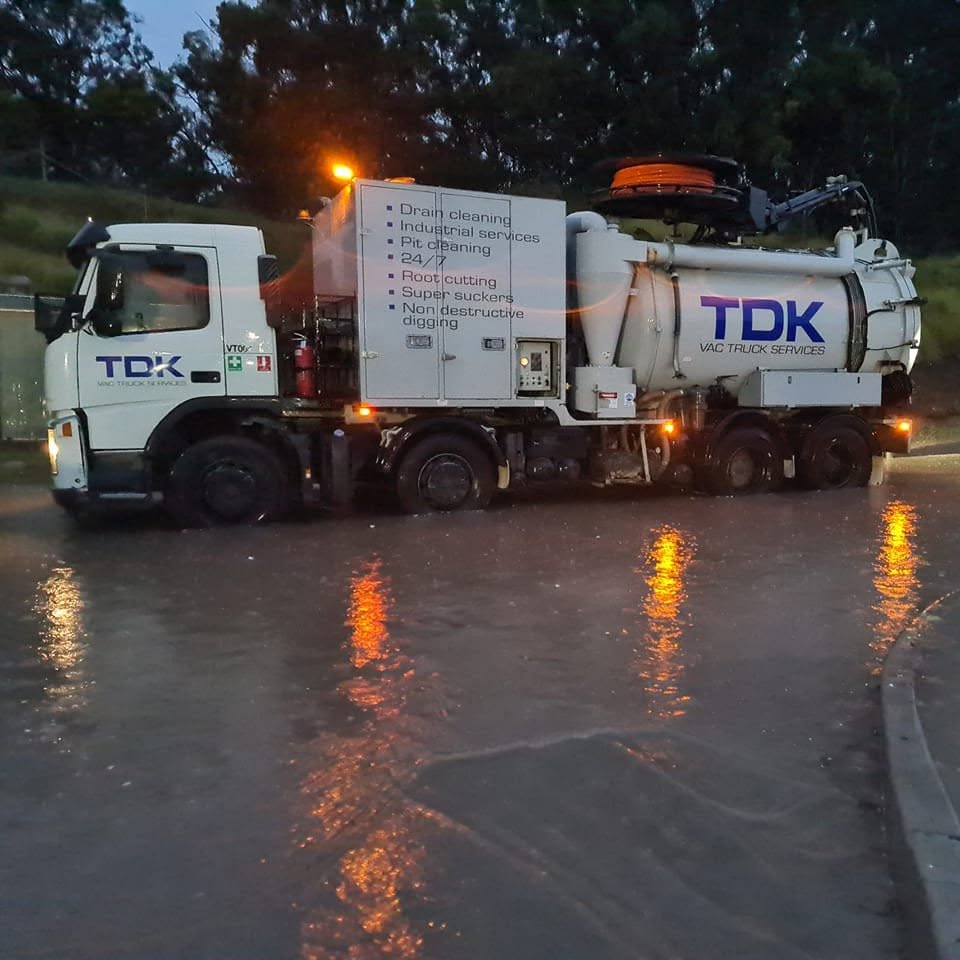
TDK provides restricted-access utility locating and exposure services using vacuum truck equipment designed to work in difficult-to-reach locations.
This makes utility locating Sydney relevant not only to open construction sites but also to complex environments where access and safety need to be carefully managed.
Utility Locating Before Excavation
Underground service locating should form part of a broader excavation planning process. It should not be treated as a replacement for obtaining current service information or following the requirements applicable to the project.
SafeWork NSW specifically advises that current essential-services information should be obtained before excavation and that this information should be provided to people carrying out the excavation work.
Where services need to be physically confirmed, professional utility locating Sydney and non-destructive digging can provide another important layer of information before excavation progresses.
The objective is straightforward: know what is there, understand where it is and plan the excavation accordingly.
Why Choose TDK Industrial Services?
TDK Industrial Services works across Sydney and NSW, supporting civil construction, utilities, infrastructure, manufacturing, government, mining and industrial projects. The company provides utility locating support alongside hydro excavation, non-destructive digging, utility exposure and other industrial services.
The team works with projects where underground assets need to be exposed carefully, including restricted-access locations and active worksites.
TDK also provides 24/7 response capability and has more than 15 years of experience on Sydney sites, according to its website.
For a project that involves excavation near existing infrastructure, having a contractor with the right equipment and experience can help the work proceed with greater control.
Plan Underground Works With Greater Confidence
Underground infrastructure should never be treated as an unknown that can simply be dealt with once excavation begins.
Whether the project involves a new service installation, civil construction, repairs, infrastructure upgrades or industrial maintenance, understanding what lies beneath the work area can help reduce avoidable problems.
Professional utility locating Sydney services can help identify and expose underground assets before major excavation takes place. When combined with current service information, careful planning and appropriate excavation practices, this provides project teams with a stronger foundation for safe site work.
If your project requires underground service exposure, potholing, asset verification or non-destructive digging, speak with TDK Industrial Services about the requirements of your site.
Contact TDK Industrial Services to discuss your project and request a quote.
Frequently Asked Questions
1. What is utility locating?
Utility locating is the process of identifying underground services such as water pipes, sewer lines, gas infrastructure, electrical cables and telecommunications conduits before excavation or construction work. Physical exposure may be used where the exact position needs to be verified.
2. Why is utility locating important before excavation?
Underground services may not always be visible or accurately represented by available plans. Locating and verifying services before excavation can help reduce the likelihood of service strikes, damage, delays and unexpected site problems.
3. What is the difference between utility locating and potholing?
Utility locating focuses on identifying underground services and understanding their position. Potholing involves creating a targeted excavation or test hole to physically expose and verify a specific underground asset. Both can form part of an underground service investigation.
4. Can utility locating be carried out on restricted-access sites?
Yes. Restricted-access locations can require specialized equipment and careful planning. TDK provides utility locating and exposure support for congested and difficult-to-access areas using vacuum excavation equipment.
5. Does utility locating replace Before You Dig Australia information?
No. Utility locating and physical service exposure should be considered alongside the relevant service information and project safety requirements. SafeWork NSW recommends obtaining current underground essential-services information before excavation work begins.