A blocked pit, a layer of sludge beneath equipment or several tonnes of accumulated material can turn an ordinary maintenance job into a difficult one. What looks like a small cleaning issue from a distance can take hours to shift once workers have to deal with heavy, wet or compacted material by hand. On an active industrial site, that extra work can also interfere with other jobs happening around it.
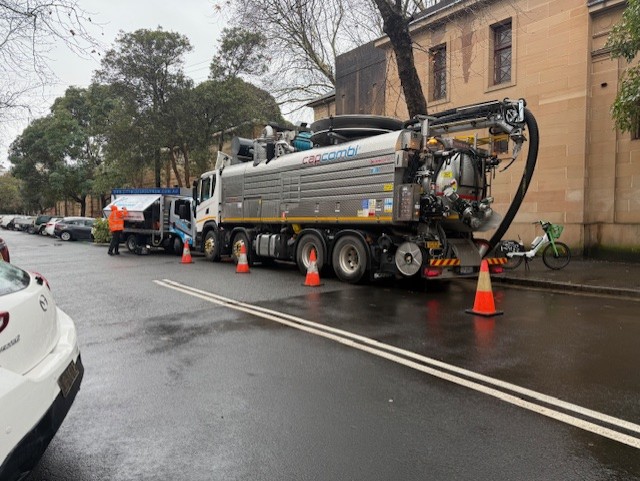
This is where industrial vacuuming can make a noticeable difference. Instead of relying on teams to shovel, pump or manually transport difficult waste, specialist vacuum equipment can collect and move material from areas that are awkward to reach. For Sydney businesses, it can be useful during routine cleaning, planned maintenance, shutdowns, construction work and jobs involving pits, tanks or accumulated sludge.
If material regularly collects around your site, it is worth considering whether manual cleaning is still the most practical option. Industrial vacuum services can provide a more controlled way to deal with wet and dry materials while reducing the amount of physical handling involved.
What Does Industrial Vacuuming Actually Involve?
Industrial vacuuming uses high-powered specialist equipment to remove and collect materials from commercial, construction and industrial environments. The equipment is substantially different from the vacuum used for ordinary household or office cleaning. It is designed to cope with heavier loads, larger quantities and challenging working conditions.
Depending on the job, the vacuum system may remove sludge, sediment, slurry, dust, powders, wastewater, residue or other accumulated material. Hoses can be positioned to reach areas where conventional cleaning equipment cannot easily operate, including pits, vessels, tanks, drains and spaces beneath machinery.
Before work starts, the site and material should be assessed. The consistency of the waste, its volume, access to the work area and any potential hazards all influence how the job should be approached. A good assessment prevents the crew from arriving with equipment that is unsuitable for the actual conditions.
Why Manual Cleaning Is Not Always Practical
Manual cleaning sounds straightforward until the material is heavy, wet or several metres below ground level. Workers may need to repeatedly shovel material into containers, move it through the site and arrange separate disposal. The process becomes even more demanding when access is restricted.
Industrial vacuuming changes how the material is handled. Instead of repeatedly moving waste by hand, suction equipment can draw suitable material through a hose and collect it in the vacuum unit. That can save considerable physical effort on larger jobs.
There is also the question of time. Industrial facilities often have maintenance windows to work within. If cleaning takes longer than expected, another task may have to wait. Using suitable equipment can help the cleaning operation fit more neatly into an existing maintenance plan.
Where Is Industrial Vacuuming Commonly Used?
There is no single type of site that relies on industrial vacuuming. The service can be useful wherever material accumulates in quantities or locations that make conventional cleaning difficult.
Manufacturing sites may need to remove production residue from around machinery. Construction projects can generate slurry, drilling waste and sediment. Concrete operations may have wet material that becomes increasingly difficult to handle once it settles.
Other applications include tanks, pits, silos, drains, processing areas and infrastructure sites. In each case, the exact approach depends on what needs to be removed and the conditions surrounding the work.
Materials That May Require Specialist Vacuum Removal
Industrial sites can produce a surprisingly wide range of waste and residue. Common examples include:
- Sludge and sediment collected in pits, tanks or drainage areas.
- Slurry created during concrete cutting, drilling or related construction work.
- Dust, powders and dry product residue around suitable industrial areas.
- Wastewater, wash water and other liquids that require controlled collection.
- Material that has accumulated beneath machinery, conveyors or processing equipment.
The material should be identified before cleaning begins. This is particularly important where chemicals, contaminated waste or hazardous dust may be involved, as additional controls may be required.
How Industrial Vacuuming Can Improve Site Maintenance
Cleaning is often treated as a separate task from maintenance, but the two are closely connected. When equipment is surrounded by accumulated material, maintenance workers may have difficulty reaching components, checking surfaces or identifying developing problems.
Clearing the area can give technicians a better working environment. It can also make inspections easier because surfaces that were previously hidden beneath residue or sludge become visible.
Regular cleaning does not necessarily mean booking a vacuum truck every week. Some sites may only need the service during scheduled shutdowns, while others may have recurring accumulation that requires more frequent attention. The sensible approach is to base the schedule on actual site conditions rather than an arbitrary timetable.
Industrial Vacuuming for Shutdown Work
A planned shutdown can be one of the busiest periods for an industrial facility. Equipment is taken offline, maintenance teams move in, inspections are completed and repairs need to happen within a limited window.
Cleaning work can become a bottleneck if it has not been planned properly. A pit that needs to be emptied before an inspection, for example, cannot simply be left until the maintenance team arrives. Someone needs to remove the accumulated material first.
Industrial vacuuming can be incorporated into the shutdown plan so that difficult material is removed before the next stage begins. Giving the contractor information about access, material type, estimated volume and timing well in advance makes coordination much easier.
Wet Material Creates Different Cleaning Challenges
Wet waste is often harder to manage than dry material. Sludge can be heavy, sticky and difficult to shovel. Sediment can settle firmly at the bottom of a pit. Concrete slurry may spread across a work area and become harder to remove as it dries.
Industrial vacuuming can be suitable for many of these applications when the equipment is matched to the material. Rather than moving the waste from one container to another, the vacuum system can collect suitable material directly through the hose.
That does not mean every liquid or slurry can be handled in exactly the same way. Material characteristics matter. Before work starts, the operator needs to understand what is being removed and whether any special handling or disposal requirements apply.
Safety Should Be Considered Before the Job Starts
Industrial cleaning involves more than choosing the right truck. Site traffic, machinery, electrical equipment, confined areas, airborne particles and the characteristics of the material itself can all affect how the work should be carried out.
Dust deserves particular attention. Where respirable crystalline silica is present, businesses need appropriate measures to control exposure. SafeWork NSW provides guidance on managing silica risks and identifies suitable controls for work involving silica-containing materials. SafeWork NSW guidance on crystalline silica can help businesses understand the controls that may apply.
The cleaning method should also be selected carefully. Dry sweeping or using compressed air can disturb fine dust and spread it into the surrounding work area. Where vacuum equipment is used for hazardous dust, the equipment needs to be appropriate for the specific hazard rather than being selected simply because it has strong suction.
Choosing the Right Industrial Vacuuming Service
Price is naturally part of the decision, but it should not be the only consideration. A low quote is not particularly useful if the equipment cannot handle the material or the provider does not understand the site’s working conditions.
Start by explaining exactly what needs to be removed. Photos, approximate quantities and information about access can help a contractor understand the job before arriving. If the material has unusual characteristics, provide that information as early as possible.
It is also worth asking about equipment, previous experience with similar work, access requirements and waste handling. These questions can reveal whether the service has been planned around your actual job rather than treated as a standard booking.
For a broader view of available industrial services, the TDK Industrial Services home page provides information about specialist services for industrial and commercial applications.
Industrial Vacuuming Compared With Traditional Cleaning
The right cleaning method depends heavily on the site. Manual cleaning can work perfectly well for a small amount of accessible material, while larger or harder-to-reach accumulations may require specialist equipment.
| Cleaning Requirement | Traditional Manual Cleaning | Industrial Vacuuming |
| Small accessible debris | Often practical | May not be necessary |
| Heavy sludge | Requires significant physical handling | Suitable equipment can extract it |
| Deep pits | Difficult and time-consuming | Hoses can reach difficult areas |
| Wet slurry | Can be messy to handle | Vacuum systems can collect suitable material |
| Large material volumes | Requires repeated handling | Designed for higher-volume extraction |
| Shutdown cleaning | May take longer than planned | Can support time-sensitive cleaning |
| Restricted access | Workers may struggle to reach material | Remote hose access can assist |
| Accumulated sediment | Labour-intensive removal | Specialist suction can simplify extraction |
This comparison is not about replacing every cleaning method with vacuum equipment. The useful question is whether the material, volume and location justify specialist equipment for the particular job.
Preparing Your Site for Industrial Vacuuming
A little preparation can prevent unnecessary delays when the crew arrives. Start by identifying exactly where the material is located and whether vehicles can reach the required position.
Clear unnecessary obstacles from access routes and identify any areas where the crew needs to work around operating equipment. Site personnel should also communicate relevant hazards before work begins.
If the material has been stored or accumulated for a long period, provide as much information as possible about what it contains. Previous maintenance records, safety information and material documentation may be useful where the waste is unfamiliar.
Good preparation also includes agreeing on what happens after extraction. Depending on the material, collection, transport and disposal requirements may need to be considered as part of the overall job.
When Should You Consider Industrial Vacuuming?
There are several signs that a site may be reaching the point where specialist vacuum equipment makes sense. Material may be accumulating faster than workers can remove it, or an upcoming maintenance task may require a difficult area to be cleared.
You may also need industrial vacuuming after construction work, during a shutdown or when a pit, tank or vessel needs to be emptied for inspection. A recurring build-up problem is another reason to look at a planned cleaning arrangement rather than waiting for the material to become a major obstruction.
The earlier the job is discussed, the easier it is to plan equipment, access and timing. Last-minute cleaning can still be possible, but advance planning gives everyone more room to work around the site’s normal operations.
Why Access Matters More Than Many Businesses Expect
A large amount of material is not always the biggest challenge. Sometimes the real problem is getting close enough to remove it.
A narrow access point, operating machinery or a deep pit can make conventional cleaning awkward. Workers may technically be able to reach the area, but doing so may require unnecessary movement of equipment or prolonged manual work.
Industrial vacuuming can help in these situations because the hose can often be positioned from a more suitable location. The exact reach and setup depend on the equipment and site, so access should be discussed before the job is scheduled.
Planning Recurring Industrial Cleaning
Some industrial sites deal with the same build-up repeatedly. If sludge collects in a pit every few months or production residue gradually accumulates around equipment, waiting for the problem to become severe may not be the most practical approach.
A recurring cleaning plan can give maintenance teams a predictable way to deal with the issue. The frequency can be adjusted according to production levels, previous accumulation and operational requirements.
The goal is not simply to clean more often. It is to find a sensible point at which cleaning prevents the material from becoming difficult, disruptive or expensive to remove.
What Makes a Vacuuming Job Run Smoothly?
The simplest jobs are usually the ones that have been properly explained beforehand. A contractor who knows the material, approximate quantity, location and access conditions can prepare more effectively.
Communication between the site’s maintenance team and the vacuum operator also matters. If conditions change after the work begins, those changes should be discussed rather than ignored.
Clear planning does not guarantee that every job will be straightforward. Industrial environments can change quickly. However, knowing what to expect gives the team a much better starting point and reduces avoidable surprises.
Conclusion
Industrial vacuuming can take a difficult material-removal task and turn it into a more organised part of a maintenance or cleaning program. Whether the job involves sludge in a pit, slurry from construction, residue around machinery or material inside a difficult-to-access area, the right equipment can reduce manual handling and make the work easier to manage.
For Sydney businesses, TDK Industrial Services can assist with specialist vacuuming requirements across industrial, commercial, construction and related environments. If you have a cleaning or material-removal job coming up, contact the team to discuss the material, site conditions, access requirements and timing.
Frequently Asked Questions
1. What is industrial vacuuming used for?
Industrial vacuuming is used to remove accumulated wet or dry material from industrial and commercial environments. Typical applications include sludge, sediment, slurry, dust, wastewater, product residue and other suitable waste materials.
2. Can industrial vacuuming remove sludge from pits?
Yes, suitable vacuum equipment can be used to remove sludge and sediment from many types of pits. The equipment required depends on the depth, consistency of the sludge, volume and access available at the site.
3. Is industrial vacuuming suitable for construction sites?
It can be. Construction projects may generate concrete slurry, drilling waste, sediment and other materials that become difficult to move manually. Vacuum equipment can be useful when the material and site conditions are suitable.
4. How can businesses prepare for an industrial vacuuming job?
Businesses should identify the material, estimate its volume, check vehicle access and communicate relevant site hazards. It also helps to identify where the vacuum hose will need to reach and discuss disposal requirements before the work begins.
5. How often should industrial vacuuming be carried out?
The frequency depends on how quickly material accumulates and what the site requires. Some businesses need one-off cleaning, while others benefit from vacuuming during scheduled shutdowns or as part of recurring maintenance.