
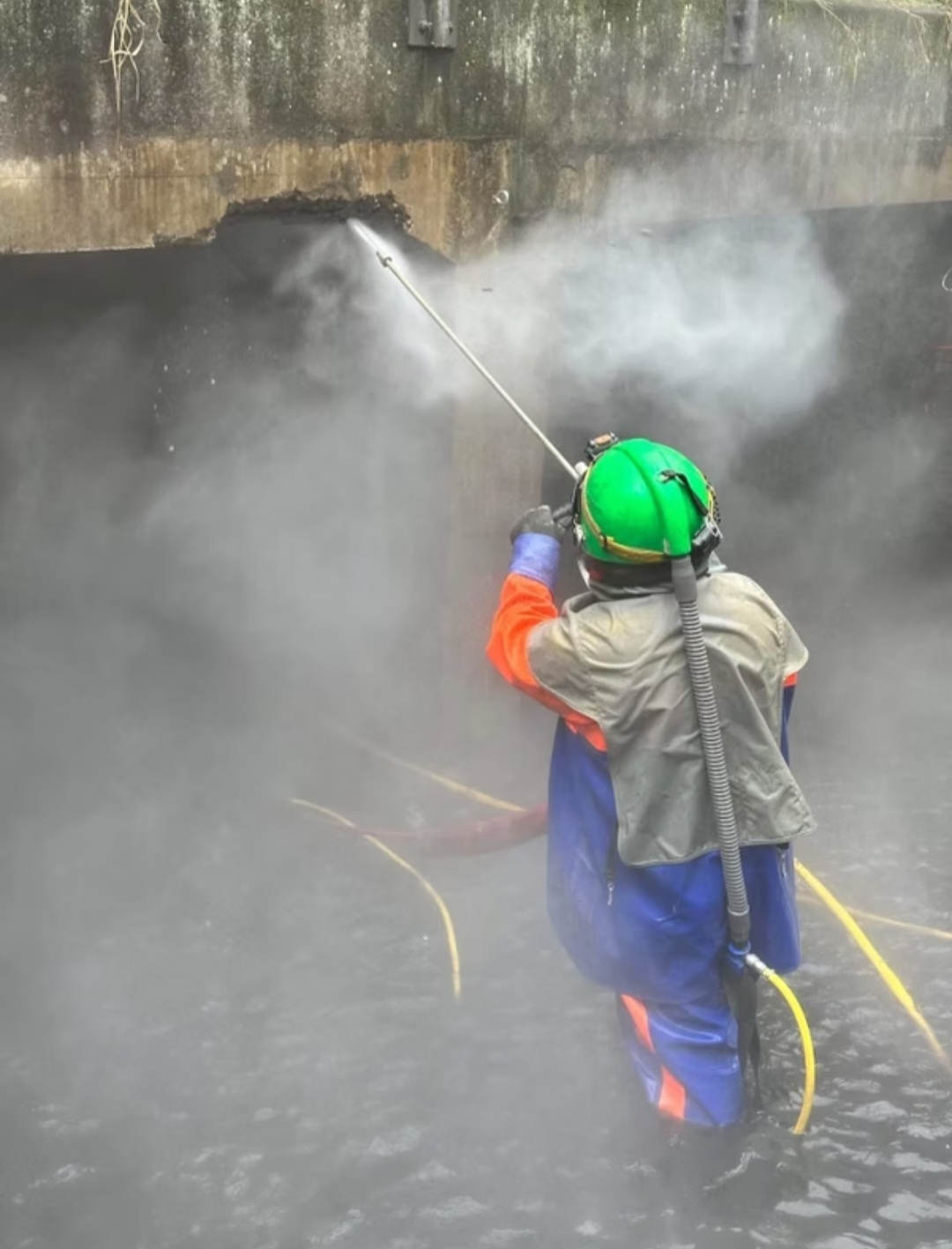
Vacuum excavation is a non-destructive digging method that uses high-pressure water and powerful suction to safely remove soil around underground services. If you need to understand vacuum excavation and how it works, this process helps reduce the risk of damaging pipes, cables, and other buried infrastructure during excavation projects.
Across New South Wales, construction teams, utility providers, and civil contractors increasingly use vacuum excavation when working near sensitive underground assets. Traditional digging methods can create risks when service locations are uncertain, but vacuum excavation provides a more controlled approach for exposing existing infrastructure.
TDK Industrial Services (NSW) Pty Ltd provides vacuum excavation solutions designed to support safer and more accurate excavation work. Understanding how this method operates can help you determine when it may be the right option for your project.
What Is Vacuum Excavation?
Vacuum excavation is a specialised digging technique that combines pressurised water or air with an industrial vacuum system to break up and remove soil. Unlike mechanical excavation methods that rely on excavator buckets or digging tools, vacuum excavation carefully exposes underground services without direct contact.
This method is commonly used for non-destructive digging (NDD), which is particularly valuable when working around electrical cables, gas pipelines, telecommunications lines, and water infrastructure.
The process allows operators to carefully remove soil while protecting underground assets from accidental strikes. This makes it a preferred solution for projects where accuracy and safety are important.
Vacuum Excavation And How It Works Step By Step
Understanding vacuum excavation and how it works involves looking at the main stages involved in the digging process. While equipment can vary depending on the project, the general method follows a similar approach.
The process typically includes:
- Identifying underground services
Before excavation begins, operators review available service information and assess the work area to understand potential underground risks. - Breaking up the soil
A high-pressure water system loosens the ground. This controlled water pressure separates soil without applying damaging force to nearby services. - Removing the material
A powerful vacuum hose extracts the loosened soil, water, and debris into a holding tank on the vacuum excavation truck. - Exposing underground infrastructure
Once the surrounding soil is removed, workers can clearly see the location, depth, and condition of buried services. - Completing the excavation safely
After the required inspection or installation work is completed, the area can be restored according to project requirements.
This controlled approach allows excavation teams to work more confidently in areas where underground infrastructure is present.
Why Is Vacuum Excavation Used In Construction And Civil Projects?
Underground services are often difficult to locate with complete accuracy. Even detailed plans may not always reflect changes made over many years, especially in established suburbs and commercial areas.
Vacuum excavation provides a practical solution by allowing workers to physically expose underground assets before major excavation takes place.
Common applications include:
- Utility locating and service proving
- Pipeline and cable exposure
- Pole hole excavation
- Drainage investigations
- Civil construction preparation
- Road and infrastructure projects
- Environmental and contaminated soil management
By reducing unnecessary disturbance, vacuum excavation supports safer work practices while improving project efficiency.
Benefits Of Using Vacuum Excavation For Underground Services
One of the biggest advantages of vacuum excavation is the ability to complete excavation work with greater precision. This is especially important in busy areas where underground networks are complex.
Some key benefits include:
Reduced Risk Of Service Damage
Damaging underground utilities can cause project delays, costly repairs, and safety concerns. Vacuum excavation helps minimise these risks by using controlled digging methods.
Improved Accuracy
Vacuum excavation allows operators to locate and expose underground services with greater visibility. This helps contractors make informed decisions before continuing with larger excavation activities.
Safer Work Conditions
Using non-destructive digging techniques helps create safer environments for workers and the surrounding community. It is commonly used when working near critical infrastructure.
Less Ground Disturbance
Compared with traditional excavation methods, vacuum excavation can reduce unnecessary damage to surrounding areas. This can make reinstatement work easier after the excavation is complete.
What Equipment Is Used For Vacuum Excavation?
Vacuum excavation trucks are designed specifically for removing excavated material safely and efficiently. These vehicles typically include several key components that work together during the digging process.
The main equipment includes:
- A high-pressure water system to break apart soil
- A vacuum pump to remove material
- A suction hose controlled by trained operators
- A debris tank for storing removed soil and water
- Filtration systems to support efficient operation
The combination of these systems allows operators to complete precise excavation work while limiting the impact on surrounding infrastructure.
How Does Vacuum Excavation Compare With Traditional Digging?
Traditional excavation methods remain useful for many projects, especially where large volumes of soil need to be removed quickly. However, mechanical excavation can present challenges when underground services are nearby.
Vacuum excavation is often chosen for projects requiring more control and accuracy. Instead of using force to remove soil, the method focuses on carefully exposing what is below the surface.
For example, when a contractor needs to install new infrastructure near existing gas or electrical services, vacuum excavation can help confirm exact service locations before proceeding.
Australian Standards And Safe Excavation Practices
Safe excavation practices are essential across Australia, particularly when working around underground utilities. Contractors must follow relevant workplace safety requirements and industry guidelines to reduce risks associated with excavation activities.
In NSW, excavation work should consider requirements under workplace health and safety legislation, including managing risks associated with underground services. Industry guidance from organisations such as SafeWork NSW and utility locating practices supports safer project planning.
Professional operators also use appropriate procedures for identifying services, assessing site conditions, and maintaining safe excavation zones.
When To Call A Professional
Vacuum excavation requires specialised equipment, trained operators, and proper safety procedures. If your project involves underground services, civil works, utility installation, or excavation near existing infrastructure, professional support can help reduce risks.
TDK Industrial Services (NSW) Pty Ltd provides vacuum excavation services for projects requiring accurate and controlled digging solutions. Their experienced team can assist with service locating, non-destructive digging, and excavation support across NSW.
Contact TDK Industrial Services (NSW) Pty Ltd to discuss your excavation requirements and find a suitable approach for your project.
Conclusion
Vacuum excavation is a safer and more controlled way to expose underground services compared with traditional digging methods. By combining high-pressure water and industrial suction, this technique allows contractors to work accurately while reducing the chance of damaging buried infrastructure.
Understanding vacuum excavation and how it works helps you make better decisions when planning construction, civil, or utility projects. For reliable excavation support and non-destructive digging solutions, contact TDK Industrial Services (NSW) Pty Ltd to discuss your project needs.
FAQs
What is vacuum excavation used for?
Vacuum excavation is used for safely exposing underground services, including electrical cables, gas lines, water pipes, and telecommunications infrastructure. It is commonly used in construction, civil works, and utility projects.
Is vacuum excavation safer than traditional digging?
Yes, vacuum excavation is generally safer when working around underground services because it uses controlled methods to remove soil without directly striking buried infrastructure.
How deep can vacuum excavation dig?
The depth of vacuum excavation depends on the equipment used, soil conditions, and project requirements. Professional operators assess each site to determine the most suitable approach.
What is non-destructive digging?
Non-destructive digging (NDD) is a method of excavation that reduces the risk of damaging underground services. Vacuum excavation is one of the most common NDD techniques used across Australia.