A blocked drain can quickly become more than a maintenance issue for a business. Water may collect around work areas, unpleasant smells can develop, and employees may struggle to carry out routine tasks safely. At industrial sites, the problem can be more complicated when drains collect sediment, sludge, oily residues or wastewater from daily operations.
These issues do not always appear suddenly. In many cases, material builds up gradually until water starts draining slowly or a collection pit reaches capacity. By the time the problem becomes obvious, the business may need more than a simple cleaning service.
Regular drain cleaning Sydney businesses arrange for their commercial and industrial properties can help address these problems before they cause unnecessary disruption. The appropriate service depends on the drainage system, the type of waste involved and the condition of the affected area.
For facility managers and business owners, understanding the causes of drainage problems and the available cleaning methods makes it easier to plan maintenance and keep operations running smoothly.
Why Industrial and Commercial Drains Need Regular Cleaning
Drainage systems perform an important job across warehouses, factories, workshops, commercial kitchens and other business premises. They help carry wastewater away from designated areas and manage stormwater where the drainage infrastructure is designed for that purpose.
However, industrial environments often generate materials that ordinary drainage systems are not designed to handle in large quantities. Dust, sand, grease, process residues and other solids can settle inside drains or collect in pits and sumps. As the material accumulates, it may restrict water movement and reduce the available capacity of the system.
For a business, the consequences can extend beyond slow drainage. Standing water may affect access routes, odours can make work areas uncomfortable, and overflowing pits may require urgent attention. Depending on the location, drainage problems can also affect equipment, stored goods and surrounding surfaces.
Professional drain cleaning Sydney services help businesses remove suitable accumulated waste and maintain drainage infrastructure. The work may involve cleaning accessible channels, removing material from collection pits or using specialised equipment to extract sludge and liquids.
The key is to choose a method that suits the site. Cleaning a stormwater drain, for example, may require a different approach from removing industrial waste from a sump. Understanding that difference helps businesses avoid unsuitable cleaning practices and manage waste responsibly.
What Causes Drains to Become Blocked?
Drain blockages can develop for several reasons, and the cause is not always visible from the surface. A drain that repeatedly slows down may have an underlying issue that needs investigation rather than another quick cleaning.
Sediment is a common problem at industrial premises. Sand, soil, dust and other fine particles can enter drainage channels through vehicle movements, outdoor activities and rainfall runoff. These particles may settle at low points and gradually reduce the space available for water to pass through.
Grease and oily residues can create a different type of obstruction. Depending on the material and conditions, residues may stick to internal surfaces or combine with other debris. This can make removal more complicated, particularly when the waste needs to be contained rather than flushed into connected pipework.
Sludge and wastewater solids can also accumulate in collection pits and sumps. If these areas are not checked regularly, the collected material may reduce their capacity and interfere with normal drainage.
External conditions should not be overlooked. Heavy rain can carry leaves, litter and sediment into stormwater infrastructure. Damaged pipes, poorly positioned drainage points and inadequate falls can also contribute to recurring problems.
Before arranging drain cleaning Sydney services, businesses should identify what is happening and where the issue occurs. Understanding the source of the blockage helps determine whether cleaning, waste extraction, inspection or repairs are likely to be required.
Signs Your Drainage System Needs Attention
Drainage problems often provide warning signs before a complete blockage develops. Paying attention to these changes can help businesses arrange maintenance at a suitable time.
Slow-moving water is one of the easiest signs to notice. If water takes longer than usual to leave a channel or collection area, an obstruction may be restricting the flow.
Persistent odours can indicate stagnant water, trapped waste or a buildup of organic material. Smells alone do not confirm a blockage, but they should be investigated when they occur alongside visible residue or standing water.
Water pooling around drains is another reason to arrange an inspection. At a busy industrial site, pooled water can create slip hazards and interfere with vehicle or pedestrian movement. An overflowing pit may also indicate that the system has reached capacity or that a connected pipe is restricted.
Businesses should pay attention to recurring problems rather than treating every incident as an isolated event. If the same drain becomes blocked repeatedly, the cause may involve damaged infrastructure, excessive waste entering the system or an unsuitable maintenance schedule.
Early attention can help establish whether routine cleaning is sufficient or whether further investigation is needed.
Which Drain Cleaning Method Is Right for Your Business?
There is no single cleaning method that works for every industrial drainage problem. The right choice depends on the type of obstruction, the condition of the infrastructure and whether the accumulated material can be safely removed using the proposed equipment.
High-pressure water cleaning may help dislodge certain deposits from suitable pipes and drainage surfaces. The pressure must be appropriate for the pipe material and its condition. Excessive pressure can damage vulnerable infrastructure or move waste into areas where it should not go.
Mechanical cleaning may be suitable for specific obstructions, depending on their location and composition. In other situations, the main concern is accumulated material inside a pit or sump rather than a blockage within a pipe.
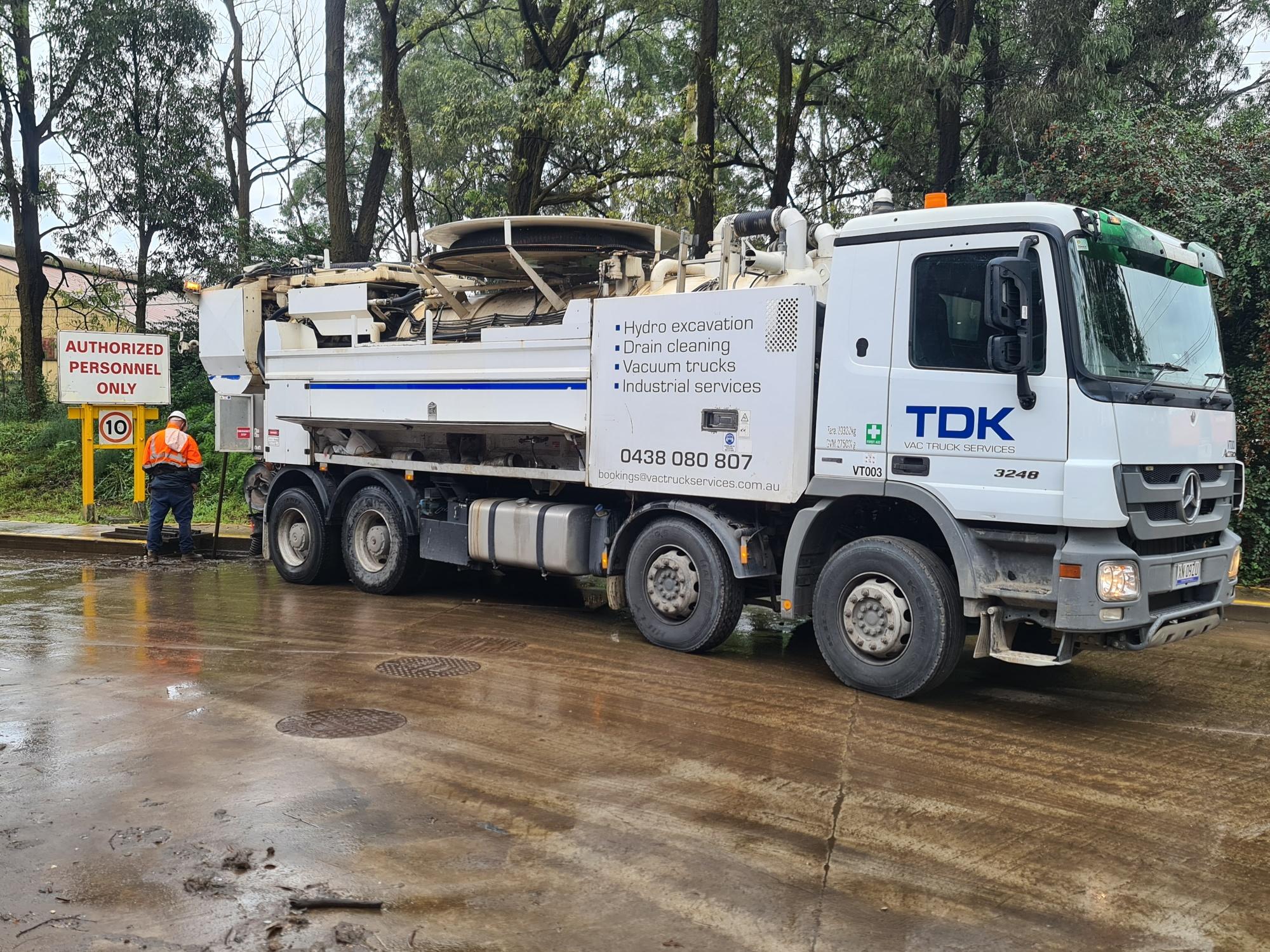
This is where industrial vacuum services can be useful. Suitable vacuum equipment can extract collected liquids, sludge and solids from accessible areas. Instead of simply pushing material further through the drainage system, the process removes it for appropriate handling and disposal.
An inspection may also be necessary when a blockage keeps returning. A damaged pipe, collapsed section or poorly designed drainage arrangement will not usually be fixed by cleaning alone.
For businesses arranging drain cleaning Sydney services, discussing the problem with a qualified provider before work begins can help establish the most suitable approach.
Comparing Common Industrial Drainage Maintenance Services
Different services address different problems. The following table outlines common options and the situations in which they may be useful.
| Service | Typical application | Main purpose | What businesses should consider |
|---|---|---|---|
| High-pressure drain cleaning | Suitable pipes, channels and drainage surfaces | Removes certain deposits and restrictions | Equipment pressure must suit the infrastructure |
| Industrial vacuum services | Accumulated sludge, liquids and suitable solids | Extracts collected material from accessible areas | Waste type determines equipment and handling needs |
| Drain and sump cleaning | Collection pits, sumps and drainage points | Removes material that reduces available capacity | Inspection frequency should reflect waste buildup |
| Drainage inspections | Recurring blockages or suspected pipe damage | Helps identify possible underlying causes | Repairs may be necessary if infrastructure is damaged |
| Preventative maintenance | Commercial and industrial drainage systems | Identifies developing problems before they worsen | The schedule should suit actual operating conditions |
| Industrial residue removal | Suitable areas affected by process waste or spills | Helps manage accumulated material and site cleanliness | Containment and disposal requirements must be assessed |
These services may be used individually or as part of a broader maintenance plan. A business with sediment collecting in outdoor pits may need a different solution from a facility that regularly generates wastewater solids.
If material needs to be removed from collection areas, industrial vacuum services are worth considering as part of the maintenance discussion.
How Industrial Vacuum Services Help With Waste Removal
Some drainage problems involve more than clearing an obstruction. Pits, sumps and collection areas may hold substantial amounts of liquid, sludge or settled solids that need to be removed from the site.
Industrial vacuum equipment is designed for extracting suitable materials from accessible areas. Depending on the equipment and the waste involved, it can help remove accumulated contents from collection points without relying entirely on water-based cleaning.
This can be useful at manufacturing facilities, warehouses, workshops and other premises where industrial activity produces regular waste buildup.
Consider a facility where sediment gradually collects in a drainage pit. If the material is left in place, the pit may have less capacity available to receive incoming water. Removing the accumulated sediment and inspecting the area can help maintenance teams assess whether the system is functioning as intended.
The same principle applies to suitable sludge and liquid waste, although the handling requirements may differ significantly between materials.
Not every substance can be managed using the same equipment. Certain chemicals, combustible materials and hazardous wastes may require specialised controls, trained personnel and specific disposal arrangements. The material should be identified before the work starts.
Industrial vacuum services can also complement other maintenance activities. Following extraction, an inspection may reveal damage, excessive sediment entering the system or another reason the area needs attention.
For businesses seeking drain cleaning Sydney solutions, this combined approach can be more useful than repeatedly removing a visible blockage without investigating why the material keeps returning.
Responsible Drainage Maintenance and Environmental Protection
Cleaning drains properly also means considering where the removed waste and wastewater will go.
Stormwater infrastructure is generally intended to carry rainfall runoff. When pollutants enter these drains, they can be transported into local waterways. Oils, chemicals, paint residues and contaminated sediment can create environmental problems if they are not contained and managed correctly.
The NSW Environment Protection Authority’s guidance on keeping drains free from pollution explains practical steps businesses can take to help protect stormwater systems. These include managing spills, storing chemicals appropriately and preventing pollutants from entering drains.
This guidance is relevant to industrial premises where equipment washing, material handling and maintenance work may generate contaminated water or residue.
Businesses should know which drainage systems serve their premises and avoid assuming that all drains lead to the same destination. Stormwater, sewer and industrial wastewater systems can have different requirements.
Where trade waste or potentially hazardous material is involved, the business should confirm the applicable handling, approval and disposal arrangements with the relevant authority or service provider.
A well-planned drain cleaning Sydney program should therefore focus on more than clearing blockages. It should also consider how waste is collected, contained, transported and disposed of responsibly.
Creating a Practical Drainage Maintenance Schedule
Waiting until a drain overflows is rarely the most convenient way to manage industrial maintenance. A planned schedule gives businesses a better opportunity to identify developing issues and arrange work before a problem affects daily operations.
The appropriate frequency depends on the property. A busy facility that produces large amounts of sediment or process residue may require more frequent checks than a site with limited waste generation. Previous blockages, rainfall exposure and the design of the drainage system should also influence the schedule.
Businesses can begin by inspecting accessible grates, channels, pits and sumps. These checks can reveal visible accumulation, standing water or other changes that may require attention. Staff should also know how to report unusual odours, slow drainage and repeated pooling.
When cleaning is required, the selected method should match the waste and the condition of the infrastructure. Keeping records of inspections and completed work can help businesses identify recurring patterns and adjust maintenance intervals over time.
A practical maintenance routine should include the following activities:
- Check drainage areas regularly: Look for visible debris, sediment, standing water and signs of restricted flow.
- Record recurring problems: Note where blockages occur, how often they return and whether rainfall or specific operations contribute.
- Arrange suitable cleaning: Remove accumulated material using equipment and methods appropriate for the drainage system.
- Prevent pollution: Keep oils, chemicals and contaminated wash water out of stormwater drains.
- Review the schedule: Increase or reduce inspection frequency according to actual site conditions and previous findings.
- Keep maintenance records: Document cleaning, waste handling, inspections and any repairs recommended.
A consistent routine makes it easier to plan maintenance around operating hours and reduces the likelihood of small drainage issues being overlooked.
Choosing a Drain Cleaning Provider in Sydney
Choosing a provider involves more than finding the lowest quote. Businesses need to know whether the service is appropriate for their drainage infrastructure and the material that needs to be removed.
Start by explaining the problem clearly. Is water draining slowly? Has a collection pit filled with sludge? Is sediment building up after rainfall? Has the same blockage returned despite previous cleaning?
These details help the provider understand the work involved and determine whether an inspection is needed before equipment is selected.
It is also useful to discuss site access and operational requirements. Industrial premises may have restricted work areas, vehicle movements or machinery that must remain operational during maintenance. Planning these details in advance can make the job easier to coordinate.
Waste handling deserves particular attention. Ask how the material will be collected and managed, especially if it contains oils, chemicals or potentially hazardous substances. Businesses should confirm that the proposed approach meets the relevant site and regulatory requirements.
Finally, consider whether the recommended work addresses the cause of the problem. Cleaning may restore drainage temporarily, but recurring issues can point to structural damage, excessive waste entering the system or a maintenance schedule that needs adjustment.
The right drain cleaning Sydney service should be based on the site’s conditions, with clear communication about the work, safety precautions and waste management arrangements.
Conclusion: Keep Your Industrial Drainage System in Good Condition
Drainage maintenance is an important part of managing a commercial or industrial property. Sediment, sludge, grease and other accumulated materials can restrict flow over time, while neglected drainage problems may affect workplace conditions and interrupt routine operations.
Regular inspections, suitable cleaning methods and responsible waste removal help businesses manage these risks. When blockages return, investigating the underlying cause can also prevent the same issue from becoming a repeated maintenance expense.
If your business needs drain cleaning Sydney support or industrial waste extraction, contact TDK Industrial Services to discuss the conditions at your site. Visit the industrial vacuum services page to learn more, or contact the team directly to discuss your requirements and arrange an appropriate assessment.
Frequently Asked Questions
1. What is included in industrial drain cleaning?
Industrial drain cleaning may involve removing sediment, sludge and other suitable accumulated materials from drainage channels, pits, sumps and certain pipework. Depending on the issue, the work may require water-based cleaning, mechanical equipment, vacuum extraction or an inspection of the drainage system.
2. How often should industrial drains be cleaned?
There is no single schedule for every business. Cleaning frequency depends on how much waste the site generates, the type of drainage system, previous blockages and the surrounding conditions. Regular inspections can help determine when professional cleaning is necessary.
3. Can industrial vacuum services remove sludge and liquid waste?
Suitable industrial vacuum equipment can extract certain types of sludge, liquids and solids from accessible areas. The equipment and handling procedures must be appropriate for the material involved, particularly when hazardous or chemically contaminated waste is present.
4. Why does the same drain keep getting blocked?
Recurring blockages may be caused by sediment buildup, grease, unsuitable waste disposal, damaged pipes or problems with the drainage design. If a blockage returns soon after cleaning, further inspection may help identify the underlying cause.
5. How can businesses prevent industrial drainage problems?
Businesses can reduce drainage problems through regular inspections, timely removal of accumulated material, suitable waste management and preventative maintenance. Keeping pollutants out of stormwater drains and recording recurring issues can also help maintain drainage performance.