
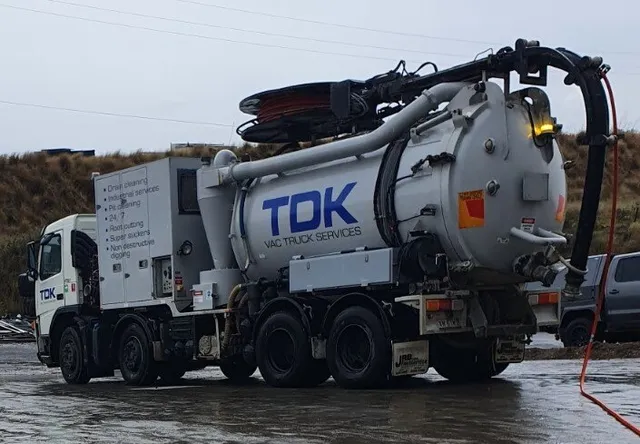
Hydro vs Mechanical Excavation is a common consideration for construction, civil, and infrastructure projects where choosing the right digging method can affect safety, accuracy, and project costs. Hydro excavation uses pressurised water and vacuum technology to safely expose underground services, while mechanical excavation relies on traditional machinery to remove soil quickly.
Selecting the right approach depends on factors such as ground conditions, project requirements, underground utilities, and safety considerations. Understanding the difference between these excavation methods can help you make a more informed decision before work begins.
What Is Hydro Excavation?
Hydro excavation is a non-destructive digging method that uses high-pressure water to break apart soil while a powerful vacuum system removes the loosened material. This creates a precise excavation process that reduces the risk of damaging underground assets such as gas lines, electrical cables, telecommunications infrastructure, and water pipes.
Unlike traditional digging methods, hydro excavation provides greater control around sensitive areas. It is commonly used for service locating, potholing, trenching, utility exposure, and projects where underground infrastructure must remain protected.
Many Australian contractors use hydro excavation when working near existing services because it provides improved visibility and accuracy. TDK Industrial Services applies this controlled approach to help businesses complete excavation work safely and efficiently.
What Is Mechanical Excavation?
Mechanical excavation uses heavy equipment such as excavators, backhoes, and loaders to remove large amounts of soil quickly. This traditional excavation method is widely used for earthworks, site preparation, foundations, drainage installation, and large-scale construction projects.
Mechanical excavation is often the preferred option when speed and volume are the main priorities. For open areas with minimal underground risks, machinery can efficiently move significant amounts of material in a shorter timeframe.
However, mechanical excavation requires careful planning when underground services are present. Without accurate service location information and appropriate controls, machinery can potentially cause damage to existing infrastructure.
Hydro Excavation vs Mechanical Excavation: Key Differences
When comparing excavation methods, the main differences come down to precision, safety, speed, and suitability for different environments.
1. Safety Around Underground Services
One of the biggest advantages of hydro excavation is its ability to safely expose buried infrastructure. Using water and vacuum technology allows operators to carefully uncover services without applying the same force as mechanical equipment.
Mechanical excavation can still be effective, but it requires greater caution around existing utilities. Damage to underground services can lead to project delays, expensive repairs, and safety risks.
2. Accuracy and Control
Hydro excavation offers excellent precision because operators can carefully control the digging process. This makes it suitable for projects where exact excavation locations are required.
Mechanical excavation is better suited for broader earthmoving tasks where large areas need to be cleared or shaped. It provides efficiency but generally offers less control in confined or sensitive locations.
3. Project Speed and Efficiency
Mechanical excavation is usually faster when removing large volumes of soil. For major earthworks and open-site projects, excavators can complete bulk excavation efficiently.
Hydro excavation may take longer for large-scale soil removal but provides advantages when avoiding damage and reducing potential repair costs is a priority.
When Should You Choose Hydro Excavation?
Hydro excavation is often the preferred choice for projects involving underground services or restricted work areas. Common applications include:
- Utility locating and service exposure
- Telecommunications and electrical works
- Gas and water pipeline projects
- Trenching near existing infrastructure
- Drainage and plumbing installations
- Construction sites with complex underground conditions
Australian construction projects must consider workplace safety requirements and underground service risks. Following proper excavation practices helps reduce hazards and supports compliance with relevant workplace health and safety obligations.
When Is Mechanical Excavation the Better Option?
Mechanical excavation remains an essential solution for many construction and civil projects. It is generally suitable when:
- Large quantities of soil need to be removed
- The excavation area is open and accessible
- Underground services are not present or are already identified
- Fast earthmoving is required
- Site preparation or bulk excavation is needed
The right choice depends on the project environment rather than one method being better in every situation.
Hydro Excavation vs Mechanical Excavation: Which Method Is Right for Your Project?
Choosing between hydro excavation and mechanical excavation requires evaluating your site conditions, project goals, and safety requirements.
For example, a residential development requiring bulk soil removal may benefit from mechanical excavation, while a telecommunications upgrade near existing cables may require the precision of hydro excavation.
Before starting excavation work, consider:
- The location of underground services
- The amount of material that needs to be removed
- Access limitations around the site
- Safety requirements and compliance obligations
- The potential cost of delays or service damage
A professional excavation provider can assess your project and recommend the most suitable approach based on practical experience and site conditions.
Why Professional Excavation Planning Matters
Poor excavation planning can create unnecessary risks, including damaged infrastructure, project delays, and increased costs. Proper preparation ensures equipment selection, safety measures, and excavation techniques match the requirements of the site.
Experienced providers understand how different soil types, weather conditions, and site layouts can influence excavation outcomes. Working with specialists like TDK Industrial Services helps ensure your project receives a suitable excavation solution from the beginning.
When to Call a Professional
If your project involves underground utilities, restricted access areas, or complex excavation requirements, professional advice can make a significant difference.
TDK Industrial Services can help assess your excavation needs and determine whether hydro excavation or mechanical excavation is the right solution for your site. Contact the team today to discuss your project requirements and arrange a suitable excavation approach.
Conclusion
Hydro excavation and mechanical excavation both provide valuable solutions for Australian construction and civil projects. Mechanical excavation is ideal for large-scale earthmoving, while hydro excavation provides greater precision and safety when working around underground services.
Understanding the differences between these methods allows you to choose an excavation approach that supports your timeline, budget, and safety requirements. Speak with TDK Industrial Services to find the right excavation solution for your next project.
Frequently Asked Questions
What is the main difference between hydro excavation and mechanical excavation?
Hydro excavation uses pressurised water and vacuum technology to remove soil carefully, while mechanical excavation uses machinery such as excavators and loaders to remove larger amounts of material.
Is hydro excavation safer than mechanical excavation?
Hydro excavation is generally safer when working near underground services because it reduces the risk of damaging buried infrastructure through controlled digging methods.
Is hydro excavation suitable for all projects?
Hydro excavation is highly effective for precise digging and utility exposure but may not always be the most efficient choice for large-scale bulk excavation.
How do I know which excavation method I need?
The best method depends on your project requirements, site conditions, underground services, access, and safety considerations. A professional assessment can help determine the right approach.