
Excavation work is a common part of civil construction, infrastructure upgrades and utility installation across Sydney. Whether a project involves installing new pipes, repairing underground cables or preparing a site for construction, choosing the right excavation method is an important decision. The challenge becomes greater when work takes place near live underground services such as electricity cables, gas lines, water pipes and telecommunications infrastructure.
Traditional mechanical excavation can remove large amounts of soil quickly, making it useful for open areas and larger earthworks. However, when underground assets are close to the excavation zone, using heavy machinery requires careful planning and additional controls. Even a small mistake can damage essential infrastructure, interrupt services and create serious safety risks.
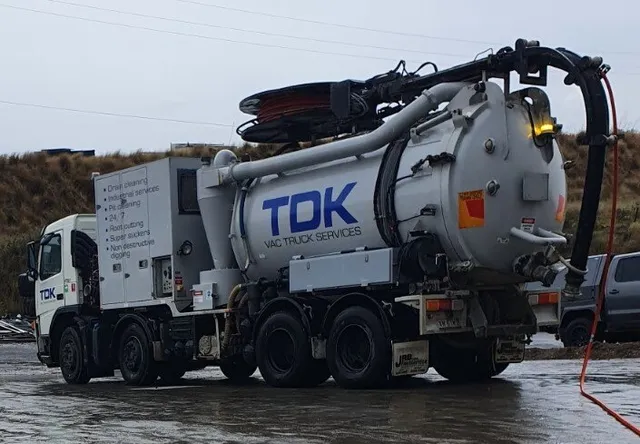
This is where Hydro Excavation Sydney projects can benefit from a more controlled excavation approach. Hydro excavation uses pressurised water to loosen soil while a powerful vacuum system removes the resulting slurry. It allows operators to expose underground assets with greater precision and reduces the need for direct mechanical contact with buried infrastructure.
Both methods have their place in construction. The right choice depends on the ground conditions, project requirements, location of underground services and level of excavation control needed.
Understanding Hydro Excavation
Hydro excavation is a non-destructive digging method that uses water and vacuum technology to remove soil. Instead of using a bucket or cutting edge to break up the ground, specialised equipment directs pressurised water towards the excavation area.
The loosened soil mixes with water to create a slurry, which is then transferred into a holding tank through a powerful vacuum system.
This process allows operators to dig in a controlled manner, particularly around underground infrastructure that needs to remain undamaged.
Hydro excavation is commonly used for:
- Exposing underground electricity cables, gas lines and water pipes.
- Potholing to confirm the location and depth of buried services.
- Trenching for utility installations in selected ground conditions.
- Excavating around existing infrastructure during repair work.
- Removing soil from restricted or congested work areas.
- Supporting civil construction and infrastructure maintenance.
The main advantage is the level of control it offers when working around sensitive assets. However, hydro excavation still requires trained operators, suitable equipment and site-specific safety procedures. It should not be treated as completely risk-free.
For projects requiring precise excavation near existing infrastructure, hydro excavation services in Sydney can provide a practical alternative to conventional digging methods.
Understanding Mechanical Excavation
Mechanical excavation uses machinery such as excavators, backhoes and trenching equipment to remove soil and other ground materials.
These machines use buckets, teeth and attachments to break up and lift material from the ground. They are widely used across construction projects because they can move substantial volumes of soil in a relatively short period.
Mechanical excavation is often suitable for:
- Large-scale earthmoving and site preparation.
- Open trenching where underground services have been identified and appropriate clearances established.
- Bulk soil and material removal.
- Foundation excavation and construction works.
- Projects involving deeper or wider excavation areas.
- Removing hard or compacted materials where suitable equipment is required.
Its main advantage is productivity. For large, open excavation areas, mechanical equipment can complete work efficiently and reduce the time required for bulk material removal.
However, mechanical excavation has limitations when working close to live services. A bucket or machine attachment can strike a buried asset if its location is misunderstood or the excavation is not properly controlled.
Even when service plans are available, the actual position and depth of underground infrastructure may differ from what is shown. This makes planning and verification essential before machinery begins digging.
Why Excavating Near Live Services Requires Extra Care
Underground services are often located close together, particularly in established suburbs, commercial areas and infrastructure corridors.
A single excavation zone may contain electrical cables, telecommunications lines, gas pipes, water mains and drainage infrastructure. Some assets may be clearly documented, while others may be older, privately owned or missing from available records.
Accidental contact with these services can have serious consequences.
Damaging an electrical cable can create an electrocution or fire risk. Striking a gas line may result in a leak and potential explosion hazard. A damaged water main can cause flooding, disrupt supply and affect nearby structures.
Telecommunications damage can also interrupt business operations and essential communication services.
The financial impact may extend beyond the immediate repair. Contractors could face project delays, additional labour costs, equipment downtime, investigations and potential regulatory consequences.
For this reason, Hydro Excavation Sydney projects involving live services should begin with a proper assessment of the work area. Choosing a suitable digging method is only one part of the process. Accurate service information, asset-owner requirements and appropriate safety controls remain essential.
Hydro Excavation vs Mechanical Excavation: Key Differences
Although both methods remove soil, they operate differently and suit different project conditions.
| Comparison factor | Hydro Excavation | Mechanical Excavation |
|---|---|---|
| Excavation method | Pressurised water loosens soil, which is removed using vacuum suction | Mechanical buckets or attachments break and remove soil |
| Precision | Suitable for controlled excavation and exposing selected services | Better suited to larger excavation areas |
| Risk to buried assets | Reduces direct mechanical contact, but does not eliminate damage risk | Greater potential for direct contact with underground services |
| Material removal | Soil and water are collected as slurry | Soil is generally lifted and moved mechanically |
| Site suitability | Useful around congested infrastructure and restricted areas | Useful in open areas and bulk earthworks |
| Ground conditions | Performance depends on soil type, water management and equipment | Equipment and attachments can be selected for different ground conditions |
| Productivity | Effective for targeted excavation and service exposure | Often faster for large volumes of soil |
| Typical applications | Potholing, service exposure and precision digging | Site preparation, bulk excavation and open trenching |
The comparison shows why neither method should be considered the automatic choice for every project.
Mechanical excavation is often the practical option for bulk earthworks, while hydro excavation is particularly useful when the work requires greater control around underground assets.
In some projects, both methods may be used together. Mechanical equipment can remove the majority of soil from a safe working area, while hydro excavation is used for careful exposure near identified services, provided the project risk assessment and asset-owner requirements permit that approach.
When Is Hydro Excavation the Better Choice?
The biggest advantage of hydro excavation is its ability to expose underground infrastructure without relying on a mechanical bucket to break up the soil.
This makes it particularly useful when excavation needs to take place close to existing assets.
1. Working Around Live Underground Utilities
When a project involves existing electrical, gas, water or telecommunications services, careful exposure may be required before further excavation or installation work can proceed.
Hydro excavation can help expose selected sections of infrastructure so their actual position and depth can be verified.
This is particularly useful when service plans provide approximate information but physical confirmation is needed before work continues.
2. Potholing and Service Verification
Potholing involves creating a small excavation to confirm the position and depth of an underground asset.
It is commonly used before larger excavation activities, drilling, trenching or utility installation.
Hydro excavation is one method that may be approved for potholing, depending on the asset owner’s requirements and site conditions.
Accurate service exposure helps project teams make better decisions about excavation alignment and clearances.
3. Congested Construction Areas
Urban construction sites often have limited working space and several underground services running close together.
Large mechanical equipment may be difficult to position or operate safely in these areas. Hydro excavation can provide a more controlled option for targeted digging, subject to access, equipment and site constraints.
4. Projects Requiring Accurate Excavation
Some projects need soil removed from a specific area without disturbing nearby infrastructure.
Examples include exposing pipe connections, investigating underground assets and preparing selected locations for repair or installation.
For these tasks, hydro excavation can provide a level of control that may be difficult to achieve with conventional mechanical equipment.
When Is Mechanical Excavation More Suitable?
Mechanical excavation remains an important part of construction and infrastructure work. Its limitations near live services do not mean it should be avoided altogether.
For projects involving large volumes of soil, open ground or areas where underground assets have been properly identified and managed, mechanical equipment can offer significant productivity benefits.
It may be the more suitable option when:
- Large areas need to be cleared or excavated.
- The work involves bulk soil removal or site preparation.
- Underground services are outside the excavation zone or appropriate controls and clearances have been established.
- The project requires wider trenches or substantial earthworks.
- Ground conditions require suitable mechanical attachments.
- The project plan allows heavy machinery to operate safely.
The important consideration is not simply which machine can dig faster. Contractors need to understand the location of underground assets, the excavation depth, ground conditions and the risks associated with the proposed method.
Where live services are present, mechanical excavation should only proceed in accordance with the relevant service information, exclusion zones, permits and safe work procedures.
Important Safety Steps Before Excavating Near Live Services
Choosing hydro excavation does not remove the need for proper planning. Underground service information may be incomplete, and some assets may not be represented on available plans.
Before work begins, contractors should follow a structured process.
Plan the Work Area
Start by identifying the proposed excavation location, depth and purpose. Review the site conditions and determine which underground services may be affected.
Obtain Underground Service Plans
Lodge an enquiry with Before You Dig Australia to request information from participating asset owners. Review the plans carefully and check any conditions or requirements provided.
Plans are an important starting point, but they should not be treated as an exact representation of every underground asset.
Arrange Service Locating
Where required, engage competent service-locating specialists to identify and mark underground infrastructure. Electronic locating methods can help establish the likely position of suitable services before excavation.
Confirm Service Positions
Where permitted and required, use an appropriate potholing method to physically expose selected assets and verify their position and depth.
Establish Site Controls
Set up exclusion zones, barriers, signage and other controls as required by the project risk assessment. Make sure workers and plant operators understand the service locations and excavation requirements.
SafeWork NSW’s guidance on excavations and earthmoving plant emphasises the need to obtain underground service information before excavation begins and take appropriate precautions when working around essential infrastructure.
What Factors Should You Consider When Selecting an Excavation Method?
The right excavation method should be selected according to the actual conditions of the project rather than relying on a general preference for one type of equipment.
Several factors can influence the decision.
Location and Type of Underground Services
The type of infrastructure near the excavation area matters. Electrical cables, gas lines and water mains may have different asset-owner requirements and safety considerations.
Some services may also be more difficult to detect using particular locating methods.
Understanding the type and position of each asset helps determine which excavation approach is appropriate.
Soil and Ground Conditions
Soil composition can influence how efficiently each method works.
Loose soil, clay, compacted ground and rocky material may respond differently to water pressure and mechanical excavation.
Hydro excavation equipment must be suitable for the material being removed, while mechanical equipment may require specific attachments for harder ground.
Excavation Size and Depth
A small pothole and a long trench have different requirements.
Hydro excavation is often effective for targeted service exposure, while mechanical equipment may be more efficient for large-scale soil removal.
The required depth, width and amount of material to be removed should all be considered during planning.
Access and Site Restrictions
Urban sites, road corridors and industrial facilities may have limited space for machinery and material handling.
The size of the excavation equipment, vehicle positioning, overhead restrictions and access to the work area can all influence the method selected.
Waste and Material Management
Hydro excavation produces a mixture of water and soil that must be collected and managed appropriately.
Contractors should consider tank capacity, disposal requirements, transport arrangements and the volume of material expected from the excavation.
Mechanical excavation generally produces loose spoil that may require separate loading, transport and disposal arrangements.
Why Professional Hydro Excavation Services Matter
Hydro excavation relies on more than a water jet and vacuum system. Successful work requires suitable equipment, trained operators, proper site planning and an understanding of underground infrastructure.
The water pressure, excavation technique and distance from an exposed asset need to be managed carefully. Different asset materials and site conditions may require specific procedures.
Hydro excavation should never be assumed to be completely non-destructive. Incorrect water pressure, poor technique or unsuitable equipment can still damage underground services.
Professional operators assess the site before work begins and select an approach that suits the excavation requirements. They also need to follow asset-owner instructions and relevant workplace safety procedures.
For civil contractors, utility providers and infrastructure project managers, using experienced Hydro Excavation Sydney operators can help support accurate service exposure and better control during excavation activities.
It is also important to work with a provider that understands the wider requirements of industrial and infrastructure projects, including access restrictions, material handling and site coordination.
Making the Right Excavation Decision for Your Project
Hydro excavation and mechanical excavation both play important roles in civil construction and infrastructure work. The difference is in how they remove soil and the conditions where each method is most appropriate.
Mechanical excavation is often the practical choice for bulk earthworks, open trenches and large-scale site preparation. Hydro excavation offers a more controlled approach when exposing underground services, carrying out potholing or working in areas where direct mechanical contact could create additional risks.
For projects near live infrastructure, the decision should be based on accurate service information, ground conditions, excavation requirements and asset-owner instructions. In many cases, a combination of methods may provide the most suitable approach.
If your project requires careful excavation around underground utilities, TDK Industrial Services can help assess the requirements and provide suitable hydro excavation support across Sydney and New South Wales. Visit the hydro excavation services page or contact the team to discuss your project.
Frequently Asked Questions
1. What is the main difference between hydro excavation and mechanical excavation?
Hydro excavation uses pressurised water to loosen soil and a vacuum system to remove it. Mechanical excavation uses equipment such as excavators and backhoes to break up and lift soil. Hydro excavation is often used for precise service exposure, while mechanical excavation is commonly used for bulk earthworks.
2. Is hydro excavation safe near live underground services?
Hydro excavation can reduce the risk of direct mechanical contact with buried infrastructure, making it useful near live services. However, it is not completely risk-free. Operators must use suitable water pressure, follow asset-owner requirements and apply appropriate site safety controls.
3. Can hydro excavation be used for potholing?
Yes. Hydro excavation is commonly used for potholing where permitted by the relevant asset owner. It can help expose underground cables and pipes so their position and depth can be confirmed before further work proceeds.
4. Is mechanical excavation faster than hydro excavation?
For large volumes of soil and open excavation areas, mechanical excavation is generally faster. Hydro excavation is designed for more targeted work and can be more suitable when precision and controlled exposure are important. The most efficient method depends on the project requirements.
5. Do I need underground service plans before hydro excavation?
Yes. Contractors should obtain available underground service information before starting excavation, including through Before You Dig Australia. Plans should be reviewed alongside service locating and physical verification where required. Hydro excavation does not replace the need for proper planning or asset-owner instructions.