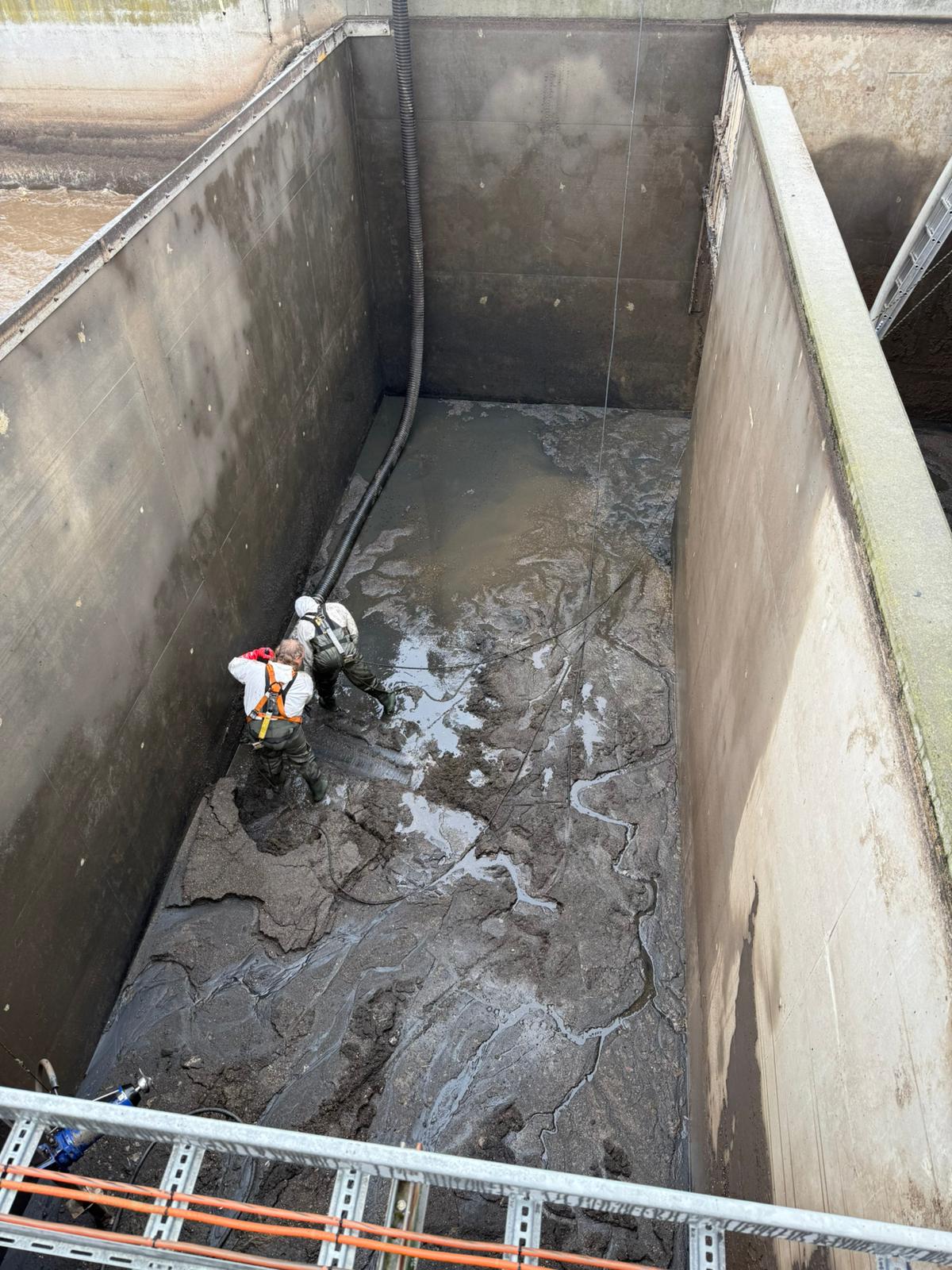
A tank can be out of service for several reasons. Perhaps a layer of sludge has built up at the bottom, a silo is holding compacted material that will not discharge, or a vessel needs to be cleared before maintenance work can begin. Whatever the reason, getting the cleaning organised is rarely as simple as arranging a truck and choosing a date.
The first questions are usually more practical. What was stored inside? How much residue remains? Can the cleaning equipment reach it? Does anyone need to enter the tank? And where will the removed material go?
These details make a real difference when arranging industrial tank cleaning in Sydney. They affect the equipment required, the time allowed for the job, the safety arrangements and, ultimately, the quotation.
For maintenance managers and site supervisors, a little preparation can prevent a great deal of back-and-forth. This guide covers the information worth gathering before approaching a contractor, along with the questions to ask before agreeing to the work.
Start With the Tank, Not the Cleaning Equipment
Two tanks can have almost identical dimensions and still require completely different cleaning approaches.
One might contain a thin layer of settled liquid waste. The other could have several tonnes of compacted sludge or dried product stuck to its internal surfaces. The size of the asset alone does not tell a contractor how difficult the job will be.
Start by identifying the asset and its previous use. Is it a storage tank, process vessel, silo, hopper or another type of industrial container? What material was kept inside, and when was it last cleaned?
The answers help establish what equipment and precautions may be necessary.
It is also worth checking whether the tank has changed use over time. Previous contents can matter just as much as the current residue, particularly if different substances have been stored in the same vessel.
If maintenance records, product information or safety data sheets are available, have them ready. Where the contents are uncertain, make that clear from the beginning. Guessing at the material can create unnecessary risks during planning.
What Is Actually Inside the Tank?
The description of the residue needs to be as specific as possible. Simply telling a contractor that a tank contains waste does not provide enough information to assess the job.
Consider the difference between loose sediment and sludge that has dried against the tank floor. Both may be described as accumulated waste, but the work involved in removing them can be quite different.
Liquid residue may be suitable for vacuum extraction. Wet sludge can require additional handling, while dry powders may need controlled removal to limit dust generation. Hardened deposits may call for a separate cleaning stage, depending on their composition and how firmly they have attached to the internal surface.
It is useful to establish whether the residue is:
- Liquid, semi-liquid or fully solid.
- Loose and easy to move, or compacted and difficult to dislodge.
- Spread across the tank floor or attached to the walls and fittings.
- A single material or a mixture of different substances.
- Known in composition or awaiting further assessment.
These descriptions give the contractor a starting point for selecting an appropriate method. They also help avoid a situation where the equipment arrives, only for the actual condition of the tank to be different from what was expected.
Photographs can be useful during the initial discussion. Images of the external access points, surrounding work area and any residue visible from an authorised inspection point may help. There is no need for someone to enter a tank simply to obtain photographs.
Tank Access Can Change the Entire Job
Access problems are not always obvious when looking at an industrial tank from outside.
A vacuum truck may be able to reach the building but still be unable to position close enough to the tank. A narrow manway could restrict the equipment that can be used. Long hose runs, overhead obstructions and nearby production machinery may also affect the setup.
These are practical matters, but they should be discussed before a quotation is finalised.
For example, consider a silo located inside a busy industrial facility. The cleaning equipment may need to remain outside while hoses are routed through an access point. The contractor will need to understand the distance involved, the available route and whether other equipment or vehicles could obstruct the work.
The site operator should provide approximate tank dimensions, access opening measurements and details of the surrounding area where possible.
It is equally important to mention elevated working positions, restricted vehicle movement and any site-specific access rules. If photographs or drawings are available, they can save time during the initial assessment.
A contractor who understands these conditions can make a more informed decision about the equipment and resources required.
Confined-Space Work Needs Proper Planning
Not every tank cleaning job involves a person entering the vessel. In fact, where reasonably practicable, using equipment from outside the space to complete the work is preferable to exposing workers to an unnecessary entry risk.
However, some tasks cannot be completed without internal access. This is where confined-space requirements become particularly important.
A tank may present risks associated with oxygen deficiency, hazardous gases, flammable atmospheres, engulfment or restricted emergency access. Previous contents and the work being undertaken can influence which hazards need to be considered.
The site operator and cleaning contractor should establish whether the space meets the applicable confined-space definition and identify the controls required for the proposed work.
For NSW projects, SafeWork NSW’s confined spaces guidance is an important reference when planning these activities.
Depending on the assessment, the arrangements may involve isolation of connected equipment, atmospheric testing, ventilation, entry permits, suitable protective equipment, communication systems and emergency rescue procedures.
Responsibilities also need to be clear. Who is arranging the isolation? Who will authorise entry? Who is responsible for atmospheric monitoring? What happens if conditions change during the job?
These questions should be answered before work starts, not while a crew is waiting at the tank.
It is also worth remembering that a tank described as empty is not automatically safe to enter. Residual material and the atmosphere inside the space still need to be assessed.
What Happens to the Material After Removal?
Once the residue has been extracted, there is another part of the job to consider: its handling and disposal.
This is sometimes overlooked during the initial enquiry. A site may concentrate on getting a tank cleaned before a shutdown deadline, only to discover that the removed material requires additional classification or disposal arrangements.
The type of waste matters. Industrial sludge, chemical residues, contaminated liquids and ordinary process material should not automatically be treated as the same waste stream.
In NSW, waste classification must be considered in line with the applicable environmental requirements. The NSW EPA Waste Classification Guidelines provide guidance on determining the appropriate classification.
Before confirming the work, establish what is known about the material and whether any testing or supporting documentation is available.
The contractor and site operator should also discuss who is responsible for collection, transport and disposal. If the waste needs to go to a particular authorised facility, this should be raised early.
A useful quotation should explain whether these activities are included or whether the client needs to arrange them separately.
Fitting the Work Into a Shutdown Window
Cleaning is often one item in a much larger maintenance programme. The tank may need to be emptied before an inspection, repairs may depend on the cleaning being completed, and production may be waiting for the asset to return to service.
This makes scheduling more complicated than simply booking the first available date.
Take a planned shutdown where several contractors are working on the same asset. The cleaning crew may need to finish before an inspection team can enter, while electrical or mechanical isolation must already be in place. If the sequence is not agreed, one delayed activity can affect the rest of the programme.
When discussing dates, provide the actual window available for the work rather than just a preferred arrival day.
It is helpful to explain when the tank will be released, how long it can remain out of service and whether the work can be completed outside normal operating hours.
The contractor should also know about site induction requirements, vehicle access restrictions and any activities taking place nearby.
No responsible contractor should promise a completion time without understanding the amount and condition of material involved. An assessment may be needed before a realistic programme can be confirmed.
What Should an Industrial Tank Cleaning Quote Cover?
A quotation should describe the work being priced, rather than simply giving a figure for cleaning a tank.
This matters because two proposals may appear similar while covering very different services. One might include residue removal only. Another may include additional cleaning, equipment setup and waste handling.
When comparing quotations, check that both contractors are working from the same information.
| Quotation detail | What to confirm before approval | Why it is important |
|---|---|---|
| Tank or vessel identification | Asset type, location and approximate dimensions | Confirms which equipment is included in the job |
| Cleaning outcome | Residue removal, internal surface cleaning or preparation for inspection | Prevents different expectations about the finished work |
| Previous contents | Product history and available safety information | Helps identify potential material hazards |
| Residue condition | Liquid, sludge, powder, sediment or hardened deposits | Influences equipment and removal requirements |
| Access arrangements | Manway size, hose distance, vehicle position and working height | Identifies site limitations before mobilisation |
| Equipment requirements | Vacuum loading, water jetting and supporting equipment, where appropriate | Clarifies the proposed cleaning approach |
| Safety arrangements | Isolation, risk assessment, atmospheric testing and confined-space responsibilities | Establishes who manages the relevant controls |
| Waste management | Classification, collection, transport and disposal | Avoids confusion over additional responsibilities |
| Work schedule | Start date, shutdown window and expected completion arrangements | Helps coordinate maintenance and production |
| Exclusions | Testing, access equipment, additional cleaning or other items not included | Makes the quotation easier to compare |
If something is excluded, ask what would happen if it becomes necessary during the job. For example, a contractor may discover that the material is much harder than originally described. The quotation should explain how additional work or a change in scope will be handled.
A clear proposal protects both parties. The client understands what is being purchased, and the contractor has a documented basis for planning the work.
Preparing for an Industrial Tank Cleaning Assessment
You do not need to produce a complicated technical report before making an enquiry. Most site managers already have some of the information needed in maintenance records, equipment drawings or previous service documentation.
Gather what is available and identify the details that still need checking.
The most useful information includes the tank’s approximate dimensions, previous contents, current condition and access arrangements. If the work is linked to a shutdown, provide the proposed dates and any deadlines associated with returning the asset to service.
It is also worth explaining the reason for cleaning.
A tank being cleared before a routine inspection may have different requirements from a vessel that needs to be prepared for a change of product. The expected finish should be agreed before the contractor determines the scope.
Where there are unknowns, an on-site assessment may be the sensible next step. It gives the relevant parties an opportunity to review the asset, discuss the working conditions and identify anything that cannot be confirmed from photographs or records.
Choosing the Right Cleaning Contractor
Experience with industrial equipment is important, but it should not be the only consideration.
Ask how the contractor approaches different types of residue and what equipment may be suitable for your particular asset. If the work involves vacuum loading, wet or dry material removal, or high-pressure water jetting, the proposed method should be explained in relation to the actual cleaning requirement.
Safety arrangements deserve the same attention. A contractor should be willing to discuss access restrictions, isolation requirements and the controls needed for any confined-space activity.
You should also establish how changes to the scope will be communicated. Industrial sites do not always match the original description, especially when a tank has not been inspected for some time.
Finally, check that the quotation identifies the agreed cleaning outcome, waste responsibilities and any exclusions. These details are more useful than a general promise to complete the job quickly.
Conclusion
Industrial tank cleaning is easier to organise when the contractor has a realistic picture of what is waiting inside the asset and what the site can accommodate. Tank dimensions, previous contents, residue condition and access restrictions all contribute to the scope. Confined-space requirements, waste classification and shutdown schedules need attention as well.
For site managers planning this work, the best starting point is to gather the available records, describe the material accurately and explain the required completion outcome.
TDK Industrial Services provides industrial cleaning support involving vacuum loading, wet and dry material removal, high-pressure water jetting and silo, tank and vessel cleaning.
If you have a tank or silo that needs attention, visit the silo, tank and vessel cleaning service page to review the service information.
To discuss the requirements of your site, request an industrial cleaning quote. Include the asset type, known contents, residue condition, access details and preferred shutdown dates. This information will help establish whether further assessment is needed before the work can be scoped.
You can also explore the main website for further information about available industrial services.
Frequently Asked Questions
1. What information should I provide when requesting industrial tank cleaning?
Start with the tank type, approximate dimensions, previous contents and a description of the remaining material. Include photographs of external access points, site restrictions and any available safety data sheets. If the job needs to fit within a maintenance shutdown, provide the dates as well.
2. Can industrial vacuum equipment remove sludge from a storage tank?
Industrial vacuum equipment can be used for suitable sludge and other accumulated materials. However, the material’s consistency, depth, composition and location inside the tank need to be considered before selecting the equipment. Compacted or hardened deposits may require additional cleaning methods.
3. Does cleaning a silo or tank always involve confined-space entry?
No. The need for entry depends on the asset and the cleaning task. External vacuum extraction or other remote methods may be suitable in some situations. If entry is required, the space must be assessed and the relevant confined-space controls established before work begins.
4. Is waste disposal included in an industrial tank cleaning quotation?
That depends on the contractor’s agreed scope. Some quotations may include waste collection and disposal, while others may price these activities separately. Confirm the waste classification, transport arrangements and disposal responsibilities before approving the work.
5. When should industrial tank cleaning be arranged during a plant shutdown?
It should be scheduled according to the maintenance sequence and the condition of the asset. If an inspection or repair depends on the tank being clean, allow sufficient time for preparation, material removal, any required additional cleaning and the agreed handover checks.