Industrial and commercial sites produce different types of waste during daily operations. Wastewater from cleaning, slurry from construction activities, accumulated stormwater and liquid residue from manufacturing processes all need to be handled appropriately. When these materials collect in tanks, pits or working areas, they can interfere with normal operations and create problems for site managers.
Professional liquid waste removal helps businesses clear unwanted liquids, maintain accessible work areas and prepare equipment for cleaning or maintenance. The process is particularly important on industrial sites where waste can accumulate quickly or where ordinary pumping equipment may not be suitable for the job.
However, removing liquid waste involves more than pumping out a tank or emptying a pit. The waste type, site access, equipment requirements and disposal arrangements all need to be considered before work begins.
Understanding these factors helps businesses choose appropriate removal methods and manage waste more responsibly.
Why Is Liquid Waste Removal Important for Industrial Sites?
Industrial facilities often handle water, chemicals, production materials and other substances as part of their regular activities. Some processes generate wastewater, while others produce slurry, sediment or liquid residue that collects in designated storage areas.
If these materials are not removed when required, they can affect site cleanliness, access and maintenance schedules. Overflowing pits may interrupt operations, while accumulated sediment can reduce the usable capacity of tanks and drainage infrastructure.
Planned liquid waste removal helps businesses manage these issues before they cause unnecessary disruption.
For example, a concrete plant may need concrete slurry removed from a collection pit. A manufacturing facility might require wastewater to be extracted from a tank before maintenance begins. Construction sites may also need water and sediment removed from low-lying areas following heavy rain.
Businesses should follow the NSW Environment Protection Authority’s liquid waste management guidelines to understand appropriate handling, storage and spill management practices.
Each situation presents different requirements. The appropriate approach depends on the liquid involved, its volume, the location of the waste and the conditions surrounding the work area.
Regular inspections can help site managers identify when removal is necessary rather than waiting until a storage area becomes difficult to manage.
What Types of Liquid Waste Need Professional Removal?
Not all liquid waste has the same characteristics. Some materials are mainly water-based, while others contain sediment, oils, processing residue or substances that require specific handling procedures.
Identifying the waste stream before arranging removal helps determine which equipment and controls are appropriate.
Common examples include:
- Wastewater: Water generated during industrial processes, cleaning activities and site operations.
- Stormwater: Rainwater collected in industrial pits, tanks and low-lying work areas, sometimes containing sediment or debris.
- Wash water: Water left over from equipment cleaning, wash bays and production areas.
- Slurry: A mixture of liquid and suspended solids generated by activities such as concrete work, drilling and excavation.
- Sediment-laden water: Water containing soil, fine particles and other material collected in pits or drainage areas.
- Firewater: Water collected after firefighting or related site incidents that may require assessment before handling.
- Industrial liquid residue: Liquids and by-products produced during manufacturing, processing and maintenance activities.
These categories are not interchangeable. Waste containing hazardous substances may require specialist handling, approved transport arrangements or particular disposal facilities.
A site manager should provide accurate information about the waste before work starts. Where its composition is uncertain, further assessment may be necessary to establish the appropriate handling requirements.
How Does the Liquid Waste Removal Process Work?
A well-planned removal job begins with understanding the site rather than immediately bringing in equipment. The operator needs to know what material must be extracted, where it is located and whether any hazards could affect the work.
Although the exact procedure varies, most industrial jobs follow several key stages.
1. Assess the Site and Waste Type
The first step is to identify the source and nature of the liquid. This includes estimating the volume, checking the access points and identifying whether the material contains solids, sediment or potentially hazardous substances.
The site team should also consider nearby machinery, vehicle movements, electrical equipment and other activities that may affect the work.
2. Select Suitable Equipment
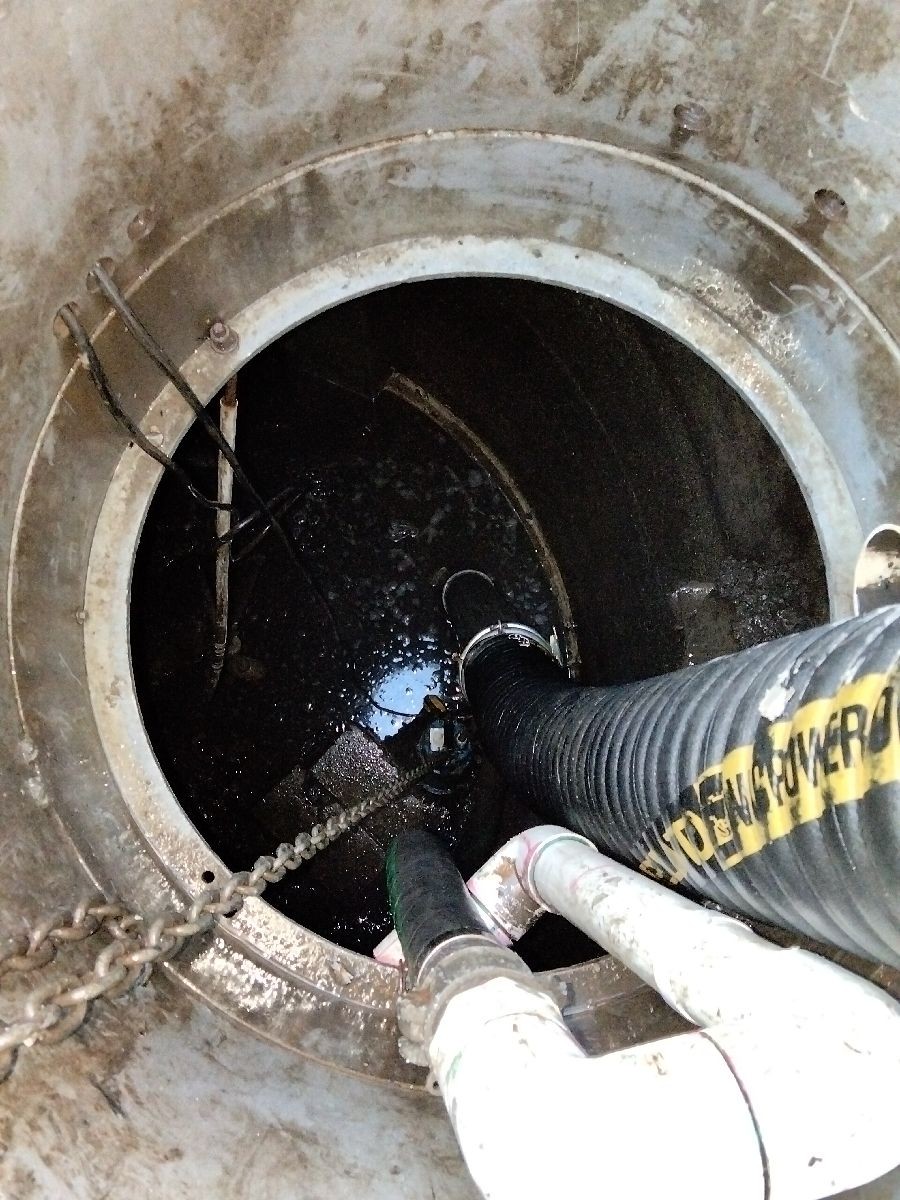
Vacuum trucks are commonly used for industrial liquid waste removal because they can extract liquids from tanks, pits, sumps and other difficult-to-access locations.
The required equipment depends on the waste’s characteristics and the conditions at the site. Thick slurry, for instance, may require a different approach from relatively clean water.
Hose reach, access restrictions, available capacity and the need for additional cleaning equipment should all be considered during planning.
3. Establish Safety Controls
Before extraction begins, operators should follow the site’s safety procedures and assess the risks associated with the work.
Depending on the job, this may involve establishing an exclusion zone, managing traffic, checking access conditions and confirming the safe handling requirements for the waste.
Tanks, vessels and pits may also present confined space hazards. Entry into these areas must not be treated as a routine part of removal work and requires appropriate assessment and controls.
4. Extract and Contain the Waste
Once the equipment and controls are in place, the liquid can be extracted using the selected method.
Operators must monitor the process and manage hoses, connections and surrounding access areas to reduce the risk of spills. If the waste contains substantial solid material, additional removal or cleaning may be required.
5. Arrange Appropriate Transport and Disposal
The final stage involves managing the extracted material according to its classification and applicable requirements.
The receiving facility must be suitable for the waste being transported. Some materials may require testing, documentation or specialised disposal arrangements.
Keeping appropriate records of the work and waste destination can also help businesses maintain their environmental management procedures.
Which Liquid Waste Removal Method Is Suitable for Your Site?
The right approach depends on the amount of liquid, its composition and where it has accumulated. Choosing equipment based only on volume may overlook important issues, such as sediment content or restricted access.
The following table outlines common situations and the factors that influence equipment selection.
| Waste type or site condition | Suitable removal approach | Important consideration |
|---|---|---|
| Wastewater in industrial pits | Vacuum truck extraction | Confirm the pit contents and available access |
| Water accumulated after heavy rain | Vacuum removal or suitable pumping equipment | Check for sediment, contamination and safe discharge requirements |
| Concrete slurry from construction work | Industrial vacuum equipment suited to slurry | Consider solid content, consistency and disposal requirements |
| Liquid waste stored in tanks | Vacuum truck or compatible transfer equipment | Check tank access, capacity and waste compatibility |
| Wash water in industrial facilities | Suitable extraction and collection equipment | Assess detergents, oils and other possible contaminants |
| Liquid waste in restricted areas | Specialist vacuum equipment and planned hose access | Consider access limitations and surrounding hazards |
| Unknown or potentially hazardous liquid | Assessment before selecting removal equipment | Establish the waste classification and handling requirements |
This comparison is a planning guide rather than a universal equipment specification. Some jobs require a combination of extraction, cleaning and specialist waste handling.
Discussing the actual site conditions before mobilisation helps avoid equipment mismatches and unnecessary delays.
How Can Businesses Prevent Liquid Waste Build-Up?
Removing accumulated waste is important, but preventing avoidable build-up can make site maintenance more manageable. A practical maintenance schedule helps teams recognise recurring problems and arrange removal before pits, sumps or tanks become difficult to service.
The right schedule depends on production levels, weather exposure, the type of material generated and the capacity of the site’s collection systems.
Businesses can take several practical steps:
- Inspect collection areas regularly: Check pits, sumps, tanks and wash bays for rising liquid levels or excessive sediment.
- Monitor recurring accumulation: Record how quickly waste builds up so removal can be scheduled around actual operating conditions.
- Keep drainage areas clear: Remove suitable debris from accessible collection points before it contributes to larger blockages.
- Review equipment condition: Check accessible pipework, tank connections and collection infrastructure for signs of damage or leakage.
- Plan around shutdowns: Schedule suitable removal and cleaning work during planned maintenance periods where practical.
- Keep waste records: Document the type of waste, removal dates and relevant disposal information.
- Investigate unusual changes: Unexpected increases in liquid volume may indicate a leak, process change or drainage problem.
These steps do not replace professional assessment, particularly when the waste may contain hazardous substances. They do, however, give site managers better information for planning maintenance and allocating resources.
What Are the Environmental Considerations of Liquid Waste Removal?
Industrial liquid waste can contain substances that should not enter stormwater drains, waterways or ordinary wastewater systems without appropriate assessment and authorisation.
The environmental risk depends on what the liquid contains. Water from one process may be relatively low risk, while another stream could contain oils, chemicals, metals or other contaminants.
Businesses should identify their waste streams and confirm the applicable handling, transport and disposal requirements before arranging removal.
Several considerations are particularly important.
Waste classification: The composition of the liquid influences how it must be handled. Where necessary, sampling or testing may be required.
Containment: Extraction and transfer procedures should reduce the likelihood of spills and uncontrolled releases.
Approved destinations: The receiving facility must be suitable and authorised to accept the particular waste stream where required.
Documentation: Waste tracking records and other documents may be required, depending on the material and applicable regulations.
Spill preparedness: Sites should have appropriate procedures for responding to accidental releases and notifying the relevant personnel.
In New South Wales, businesses should consider applicable environmental requirements and guidance from the NSW Environment Protection Authority. Requirements vary according to the waste type and activity, so assumptions about disposal should be avoided.
A responsible approach to liquid waste removal helps businesses manage operational needs while reducing the risk of environmental harm.
When Should a Business Arrange Emergency Liquid Waste Removal?
Not every removal job needs an immediate response. Routine tank maintenance can usually be planned in advance, while flooding, overflowing pits and certain spills may require urgent action.
Delaying an urgent job can make the affected area harder to access and may interrupt production, vehicle movements or other site activities.
Situations that may require prompt professional assistance include:
- An industrial pit or tank approaching overflow.
- Floodwater preventing safe access to work areas.
- A substantial liquid spill requiring controlled recovery.
- An overflowing collection point disrupting site operations.
- Wastewater accumulation affecting equipment or production areas.
- Liquid build-up that prevents scheduled maintenance from proceeding.
The response should begin with an assessment of immediate risks. Workers should follow site emergency procedures and avoid contact with unidentified or potentially hazardous liquids.
Where a spill presents a serious environmental or safety risk, the site should activate its relevant emergency response arrangements rather than relying solely on routine waste removal.
Having a contractor’s contact details readily available can help site managers organise assistance when an unexpected problem occurs.
Choosing a Liquid Waste Removal Contractor
Industrial sites often have specific requirements involving access, waste classification, operating hours and safety procedures. Selecting a contractor with suitable equipment and experience can make the process easier to coordinate.
Before confirming a job, businesses should consider the following factors.
Equipment capability: Ask whether the available vacuum truck or extraction equipment is suitable for the liquid and the site’s access conditions.
Relevant experience: Check whether the contractor has handled similar waste streams and working environments.
Safety planning: Confirm how site hazards, vehicle movements, restricted access and other risks will be managed.
Waste handling: Discuss the proposed transport arrangements and destination for the extracted material.
Scheduling: Establish the expected arrival time, duration of work and any effect on normal operations.
Scope and pricing: Clarify the estimated volume, equipment requirements and any additional services that may affect the quotation.
Clear communication before the job helps both parties understand their responsibilities. It also allows the contractor to identify missing information before equipment arrives on site.
For facilities that require repeated removal work, a planned service arrangement may be worth considering. The frequency can be reviewed as operating conditions and waste volumes change.
Conclusion
Managing liquid waste properly is an important part of maintaining industrial, commercial and construction sites. Regular inspections, suitable extraction equipment and appropriate disposal arrangements help businesses deal with accumulated wastewater, slurry, stormwater and other liquid materials without unnecessary disruption.
The most effective approach starts with understanding the waste, assessing site conditions and selecting equipment that matches the job. A clear maintenance schedule can also help prevent avoidable build-up, while emergency planning prepares site teams to respond when unexpected problems arise.
For specialist liquid waste removal across Sydney and wider New South Wales, contact TDK Industrial Services through its liquid waste management service page to discuss your site requirements. You can also contact the team directly to request a quote or visit the industrial services homepage to learn more about the available support.
Frequently Asked Questions
1. What is liquid waste removal?
Liquid waste removal involves extracting unwanted liquids from tanks, pits, sumps, industrial facilities and other collection areas. Depending on the waste type, the process may use vacuum trucks or other suitable equipment, followed by appropriate transport and disposal.
2. Which industries need liquid waste removal services?
Industries that may require these services include manufacturing, construction, concrete production, food processing, infrastructure, transport and heavy industry. The need depends on the liquids generated during operations and the site’s collection and storage arrangements.
3. Can vacuum trucks remove thick slurry as well as wastewater?
Some industrial vacuum trucks can handle suitable slurry, sediment and other liquid-solid mixtures. However, equipment selection depends on the material’s consistency, solid content, volume and access conditions. The waste should be described accurately before equipment is selected.
4. How often should liquid waste be removed from industrial sites?
There is no single schedule that suits every facility. Removal frequency depends on how quickly waste accumulates, storage capacity, production activity and environmental or operational requirements. Regular inspections and records help businesses establish a suitable schedule.
5. How should businesses dispose of industrial liquid waste?
Businesses should identify the waste stream and confirm the applicable classification, handling, transport and disposal requirements. The liquid should be taken to a suitable receiving facility, with any required documentation or waste tracking completed in accordance with relevant regulations.