A drainage pit is one of those parts of an industrial site that often gets attention only when something goes wrong. Water starts draining slowly, an unpleasant smell develops near a collection point, or workers notice that a pit is filling with sediment. By that stage, the problem may have been building for quite some time. Regular pit cleaning helps businesses deal with accumulated material before it creates unnecessary disruption.
Factories, warehouses, construction sites and commercial properties all generate different types of waste. Rainwater can carry sand and leaves into drainage systems, while industrial activities may produce sludge, grit and other residues. These materials eventually settle inside pits, taking up space that would otherwise be available for water and sediment collection.
The challenge is knowing when a pit needs attention. A quick look from above may not reveal how much material has settled at the bottom. This is why inspections and planned maintenance are useful, particularly at sites where drainage problems could interrupt daily work.
What Is Pit Cleaning?
Pit cleaning involves removing accumulated sediment, sludge, debris and other unwanted material from drainage and collection pits. These structures are commonly found in industrial yards, car parks, warehouses, construction areas and other locations where water or waste needs to be collected.
The cleaning process depends on what the pit contains. A stormwater pit filled with leaves and sand may need a different approach from an industrial collection pit containing thick sludge. The depth of the structure, available access and surrounding site conditions also influence the work.
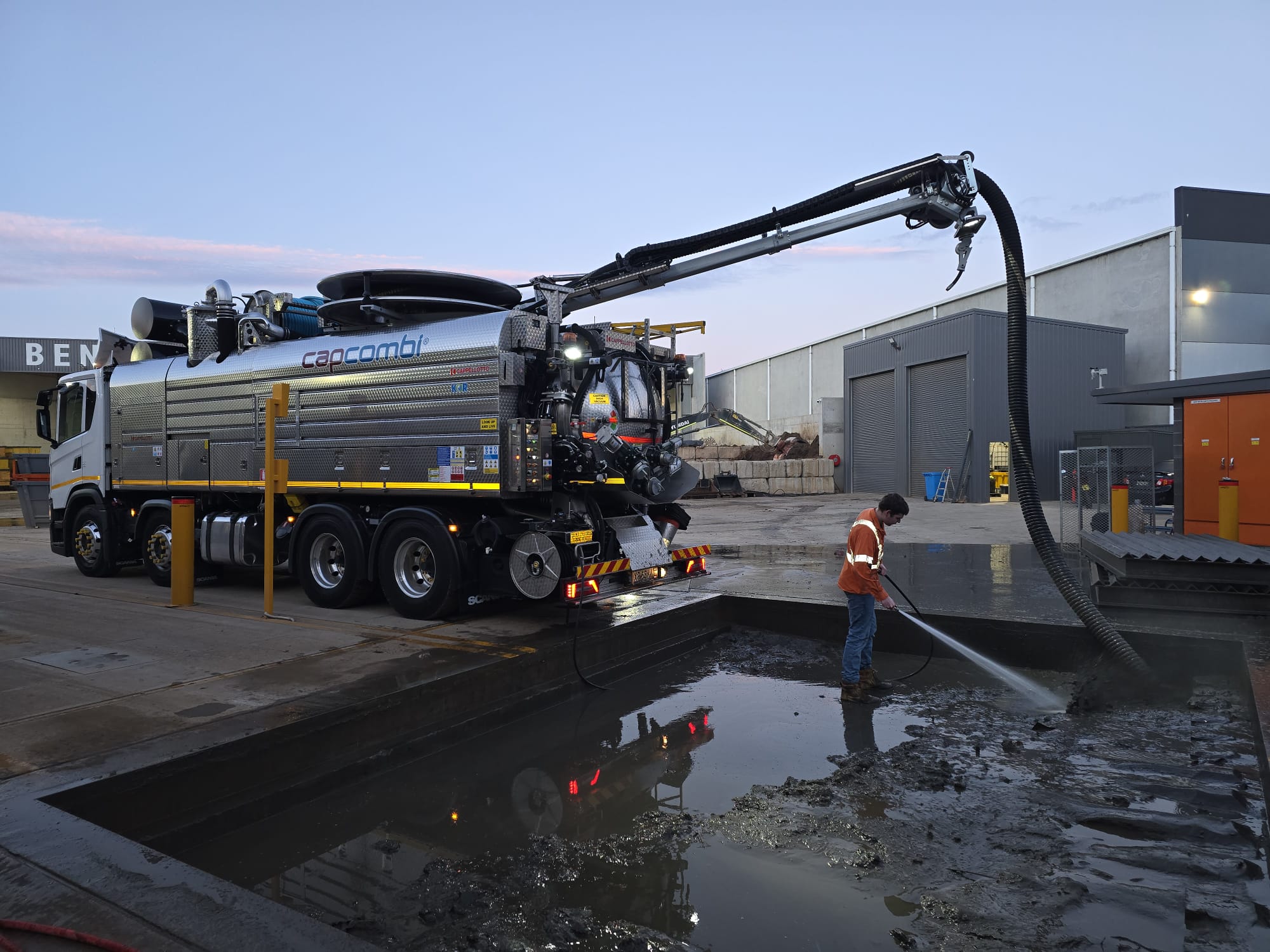
Depending on the job, cleaning may involve vacuum extraction, suitable manual tools or other specialised equipment. The aim is to remove the buildup safely while avoiding unnecessary damage to the pit or connected infrastructure.
It is worth remembering that cleaning is not the same as repairing a drainage system. If a pipe is damaged or an outlet is obstructed, removing the material from the pit may not solve the underlying problem.
Why Regular Pit Cleaning Matters for Industrial Sites
Keeping drainage capacity available
Every drainage pit has a limited amount of space. When sediment and sludge accumulate, less room remains for incoming water and collected material.
This can become a concern during heavy rainfall, particularly where runoff from large paved areas enters the drainage system. Removing accumulated material helps maintain available capacity, although the overall performance of the system also depends on the condition and design of the connected drainage infrastructure.
Reducing avoidable blockages
Leaves, packaging, soil and grit can enter pits during ordinary site operations. If these materials collect around an inlet or outlet, they may restrict water movement.
Regular industrial pit cleaning helps remove this buildup before it becomes excessive. Where the same blockage keeps returning, the connected pipes and outlets should also be checked rather than repeatedly treating the pit as the only source of the problem.
Maintaining cleaner surroundings
A neglected pit can affect the surrounding work area. Depending on its contents, accumulated waste may contribute to unpleasant smells, stagnant water or visible contamination.
Removing the material helps keep drainage points cleaner and makes it easier for maintenance teams to monitor their condition. If odours persist after cleaning, further investigation may be needed to identify their source.
Spotting maintenance issues
Cleaning provides a useful opportunity to look at accessible parts of a pit. A damaged cover, unusual sediment accumulation or visible deterioration may indicate that additional maintenance is required.
Finding these problems early gives site managers time to organise appropriate inspections or repairs. It is a practical benefit of routine maintenance, even when the pit itself has not caused an obvious drainage failure.
Types of Pits That May Need Cleaning
Not every pit collects the same material. Understanding its purpose helps determine the most appropriate maintenance approach.
Stormwater pits collect runoff from roofs, driveways, car parks and other outdoor surfaces. Sand, leaves, litter and soil are common materials found in these pits, especially after rainfall.
Sediment pits collect solid particles carried by water. They are often found around construction areas and industrial yards where loose soil and grit are present.
Industrial drainage pits receive water or other permitted flows associated with site operations. Their contents vary according to the facility and the processes taking place.
Sludge collection pits may contain dense, wet deposits that are difficult to remove manually. Suitable extraction equipment can help remove this material, provided the contents and site conditions have been assessed.
Some facilities also have specialised process or trade waste pits. These require particular care because their contents may include substances that need controlled handling and disposal. The material should be assessed before cleaning begins.
How Professional Pit Cleaning Is Carried Out
The exact process depends on the site, but a planned approach helps ensure the work is suitable for the pit and its contents.
1. Inspect the pit and access area
The first step is to establish the pit’s location, approximate dimensions, accessibility and likely contents. This assessment helps determine the amount of material that needs to be removed and whether additional precautions are necessary.
The service provider should also be made aware of any known contamination, previous drainage problems or access restrictions.
2. Select suitable equipment
The equipment should match the type of material present. Loose debris may be handled using appropriate tools, while wet sediment and dense sludge may require vacuum extraction.
High-pressure water cleaning may also be suitable for certain deposits, provided the method is appropriate and runoff can be managed properly. Choosing equipment based on the actual conditions helps avoid unnecessary delays.
3. Remove the accumulated material
Once the method has been selected, the material is removed using suitable equipment. The work should be planned around nearby vehicles, workers and ongoing site operations.
Careful handling also helps prevent extracted waste from spreading into surrounding areas or entering other parts of the drainage system.
4. Check the condition of the pit
After the material has been removed, accessible areas can be checked for visible damage, remaining obstructions and other concerns.
If the pit appears damaged or drainage problems continue, a separate inspection may be necessary. Cleaning alone cannot confirm that every connected pipe or outlet is working correctly.
5. Manage the waste appropriately
The removed material must be handled according to its composition and the applicable disposal requirements. Ordinary sediment may be managed differently from contaminated sludge or industrial residues.
Appropriate containment, transport and disposal arrangements help prevent waste from affecting surrounding land and waterways.
6. Keep a maintenance record
Recording the date, work completed and condition of the pit helps the site team understand how quickly material accumulates.
Over time, these records can show which pits need more frequent attention and whether recurring problems require further investigation.
Comparing Pit Cleaning Methods
The most suitable method depends on the pit’s contents, access conditions and the amount of material that needs to be removed.
| Cleaning method | Where it may be suitable | Main benefit | Important consideration |
|---|---|---|---|
| Manual debris removal | Accessible pits containing loose rubbish and leaves | Removes visible debris | Limited suitability for deep pits or heavy deposits |
| Vacuum extraction | Wet sediment, sludge and suitable loose material | Helps remove substantial buildup | Equipment must suit the material and access conditions |
| High-pressure water cleaning | Suitable surfaces with stubborn deposits | Helps loosen accumulated residue | Water and waste must be properly contained |
| Sediment removal | Stormwater and collection pits | Frees space occupied by settled material | Disposal depends on the material’s composition |
| Sludge extraction | Pits containing dense wet deposits | Removes material that may be difficult to handle manually | Contamination risks must be assessed |
| Inspection and planned maintenance | Industrial drainage systems across a site | Helps identify recurring maintenance needs | Inspection does not replace cleaning or repairs |
A professional assessment can help determine whether one method is sufficient or whether a combination of techniques is needed.
Signs Your Site May Need Pit Cleaning
Problems do not always begin with an overflowing pit. Sometimes, the first indication is a small change that becomes more noticeable over time.
Look out for these warning signs:
- Slow drainage: Water takes longer than usual to clear from nearby areas.
- Visible buildup: Sand, sludge or sediment can be seen inside the pit.
- Persistent odours: Unpleasant smells continue around the drainage point.
- Recurring blockages: The same pit develops restrictions repeatedly.
- Standing water: Water remains around the pit after rainfall or routine cleaning.
- Excessive debris: Leaves, litter or site material collect near the inlet.
- Changes in site activity: Excavation, construction or increased vehicle traffic introduces more sediment.
These signs are reasons to investigate, not proof that the pit itself is at fault. A damaged pipe, blocked outlet or drainage system that lacks sufficient capacity may cause similar symptoms.
How Often Should Industrial Pits Be Cleaned?
There is no universal cleaning schedule for every industrial site. The frequency depends on how quickly material enters the pit and how serious the consequences would be if drainage became restricted.
A pit near an active construction area may collect soil much faster than one in a warehouse with relatively clean surroundings. Similarly, a drainage point exposed to heavy rainfall may need closer monitoring during wetter periods.
When planning maintenance, consider the pit’s size, its purpose, the surrounding activities and the type of material entering the system. Previous cleaning records are also useful. If a pit fills quickly after every service, the maintenance interval may need to be shortened.
Additional inspections may be worthwhile after major storms, spills or changes in site operations. Any applicable environmental conditions and workplace requirements should also be included in the maintenance plan.
The goal is to schedule cleaning according to actual site conditions rather than waiting for a problem to appear.
Safety Considerations During Pit Cleaning
Industrial pits can contain hazards that are not visible from the surface. These may include contaminated waste, sharp objects, unstable covers or potentially dangerous atmospheric conditions.
Some pits may be confined spaces or present confined-space hazards. Workers should never enter a pit simply because it appears easy to access.
Before work starts, the site and service provider should assess the relevant risks and establish appropriate controls. Depending on the job, these may include controlling vehicle movements, isolating equipment, restricting access to the work area and using suitable protective equipment.
Where confined-space entry is involved, applicable controls may include atmospheric testing, entry permits, trained personnel, communication arrangements and rescue planning. The requirements depend on the specific circumstances and relevant regulations.
Remote cleaning methods may reduce the need for entry when they are suitable for the job. Extracted material and wash water must also be managed carefully to avoid uncontrolled discharge into stormwater drains or waterways.
For further guidance, consult Safe Work Australia’s confined-spaces safety information. Businesses should also check the relevant state or territory regulator for requirements that apply to their operations.
Choosing a Professional Industrial Cleaning Service
Industrial drainage maintenance requires more than removing whatever is visible at the surface. The provider needs to consider the pit’s contents, access arrangements, equipment requirements and safe waste handling.
Professional support can be particularly useful where pits contain heavy sludge, have restricted access or form part of a larger drainage system. It can also help businesses plan work around operational demands.
Before arranging a service, prepare details about the pit’s location, approximate size, contents and any recurring drainage concerns. Mentioning access restrictions and previous maintenance issues can help the provider assess the job more accurately.
Businesses looking for industrial cleaning support can visit TDK Industrial Services to learn more about its services. The dedicated industrial pit and site drainage cleaning page provides a relevant starting point for discussing specific requirements.
Conclusion
Industrial pits can accumulate large amounts of sediment, sludge and debris without showing obvious signs of trouble straight away. When this material is left in place, it may reduce available capacity and contribute to recurring drainage issues.
A planned pit cleaning programme helps businesses remove unwanted material, monitor the condition of drainage infrastructure and identify visible maintenance concerns. The right approach depends on the site, but it should always include suitable equipment, safe work practices and responsible waste disposal.
If your facility has recurring blockages, visible sediment buildup or pits that have not been inspected recently, consider arranging a professional assessment. Contact TDK Industrial Services to discuss your requirements and explore suitable industrial pit and drainage cleaning options.
Frequently Asked Questions
1. What does pit cleaning involve?
Pit cleaning involves removing accumulated sediment, sludge, debris and other unwanted material from drainage or collection pits. The method depends on the contents, dimensions and accessibility of the pit.
2. How often should industrial pits be cleaned?
The frequency depends on site activity, rainfall, the type of material collected and how quickly it accumulates. Regular inspections and maintenance records help establish a suitable schedule.
3. What equipment is used for industrial pit cleaning?
Depending on the job, equipment may include industrial vacuum trucks, suitable manual tools and high-pressure water cleaning equipment. The choice should reflect the waste type and site conditions.
4. Can a dirty pit cause drainage problems?
Yes. Accumulated sediment and debris can reduce available capacity and contribute to restricted drainage. Persistent problems may also indicate a damaged pipe or another underlying fault.
5. How can I arrange pit cleaning for my facility?
Prepare details about the pit’s location, approximate size, contents and any recurring drainage problems. Contact TDK Industrial Services to discuss your site requirements and the appropriate next steps.