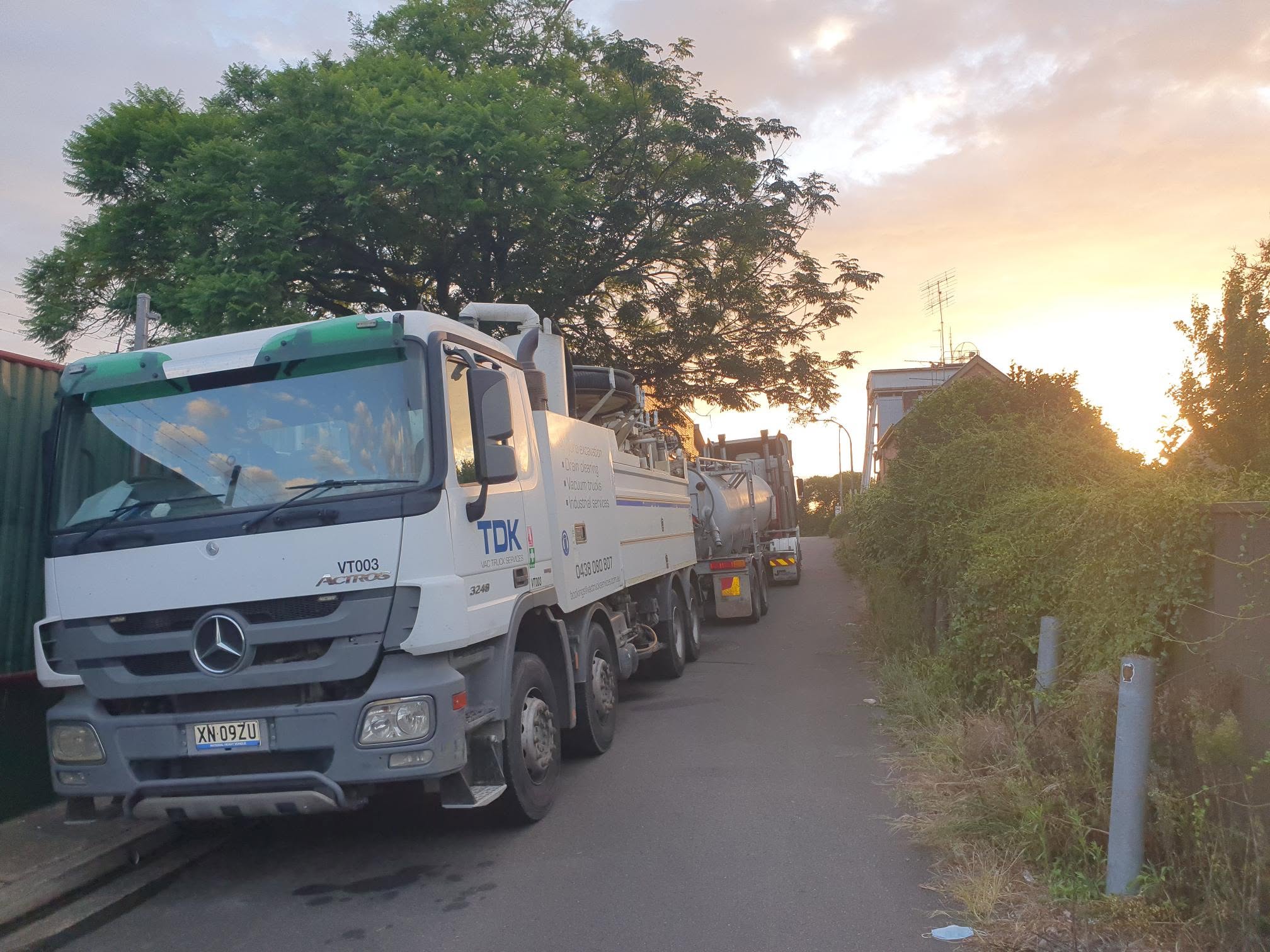
Managing large volumes of waste from commercial and industrial properties requires careful planning, the right equipment, and a clear understanding of disposal requirements. Bulk Waste Removal for Commercial and Industrial Sites involves safely collecting, transporting, and processing significant amounts of commercial waste, construction materials, industrial debris, and unwanted materials while maintaining compliance and site safety.
For businesses across Australia, effective waste management helps reduce operational disruptions, maintain cleaner work environments, and support responsible disposal practices. Whether you are preparing for a major site clean-up, factory shutdown, construction project, or ongoing industrial operations, having a structured waste removal plan can make the entire process smoother.
Why Planning Bulk Waste Removal for Commercial and Industrial Sites Matters
Large-scale waste removal is different from standard rubbish collection. Commercial and industrial sites often generate mixed waste streams, including concrete, timber, metals, packaging materials, machinery components, soil, general debris, and other materials that require specific handling.
Without proper planning, businesses can experience delays, increased costs, safety risks, and difficulties meeting environmental obligations. A well-organised approach ensures waste is removed efficiently while minimising disruption to daily operations.
Some common situations where businesses require planned bulk waste removal include:
- Factory relocations or closures
- Construction and demolition projects
- Warehouse clean-outs
- Industrial property maintenance
- Machinery upgrades and disposal
- Large commercial renovations
- Accumulated waste from ongoing operations
Understanding the type and quantity of waste involved allows the right removal methods, vehicles, and disposal pathways to be arranged before work begins.
Key Steps for Effective Industrial Waste Removal Planning
A successful waste removal project starts before any materials are moved. Businesses should assess their requirements carefully and consider the following steps:
1. Identify Waste Types and Volumes
The first step is understanding what materials need to be removed. Different waste types may require different processes, equipment, and disposal methods.
Consider:
- The estimated volume of waste
- Whether materials can be recycled or recovered
- Whether any materials require specialised handling
- The available access points for removal equipment
A detailed assessment helps avoid unexpected costs and ensures the project runs efficiently.
2. Create a Site Access and Safety Plan
Industrial environments often have heavy machinery, active work areas, and strict safety requirements. Before removal begins, access routes should be reviewed to ensure trucks, equipment, and workers can operate safely.
Clear communication between site managers, contractors, and waste removal teams reduces risks and prevents unnecessary interruptions.
3. Choose the Right Removal Equipment
The equipment required depends on the size and nature of the project. Smaller commercial clean-ups may only require collection vehicles, while large industrial sites may need specialised machinery for handling heavy or bulky materials.
Professional waste removal providers assess the site conditions and determine the most suitable approach for safe and efficient removal.
Bulk Waste Removal for Commercial and Industrial Sites: Compliance and Environmental Considerations
Australian businesses have a responsibility to manage waste appropriately and follow relevant environmental regulations. Depending on the location and waste type, requirements may involve correct sorting, transport documentation, recycling practices, and approved disposal facilities.
Responsible waste management can also support sustainability goals by reducing landfill impact and increasing material recovery. Many industrial materials, including metals, concrete, cardboard, and certain construction products, may have recycling opportunities when handled correctly.
Working with an experienced provider such as TDK INDUSTRIAL SERVICES (NSW) PTY LTD helps businesses approach waste removal with safety, efficiency, and compliance in mind.
Common Challenges Businesses Face During Large Waste Removal Projects
Industrial waste projects can become complicated without preparation. Some common challenges include:
Limited Site Space
Busy commercial sites may have restricted areas for storing waste before collection. Planning removal schedules around site operations helps maintain productivity.
Unexpected Waste Volumes
Initial estimates may not always reflect the true amount of waste present. A professional assessment can help businesses prepare for changing requirements.
Workplace Safety Concerns
Large waste piles, heavy materials, and moving equipment can create hazards. Following proper safety procedures protects workers and visitors throughout the process.
Disposal Requirements
Different materials may need different disposal methods. Separating recyclable materials from general waste can improve environmental outcomes and simplify disposal.
How Professional Waste Removal Supports Australian Businesses
Professional waste management services provide more than collection. They help businesses manage the entire process from assessment through to final disposal.
Benefits include:
- Reduced workplace hazards
- Improved site organisation
- Better compliance management
- Less downtime during clean-ups
- Efficient handling of large waste volumes
- Access to suitable equipment and transport
For industrial operators, builders, manufacturers, and commercial property managers, reliable waste removal can become an important part of maintaining safe and productive sites.
When to Call a Professional
If your business is dealing with large amounts of waste, ongoing industrial debris, or a major site clean-up, professional assistance can help ensure the project is completed safely and efficiently.
TDK INDUSTRIAL SERVICES (NSW) PTY LTD provides experienced waste management solutions for commercial and industrial requirements across Australia. Their team can help assess your site, plan the removal process, and deliver practical solutions tailored to your project needs.
Contact TDK INDUSTRIAL SERVICES (NSW) PTY LTD to discuss your bulk waste removal requirements and arrange a suitable approach for your commercial or industrial site.
Conclusion
Planning effective waste management before a project begins can save businesses time, reduce risks, and create a safer working environment. From identifying waste types to arranging suitable equipment and disposal methods, careful preparation is essential for successful industrial clean-ups.
Bulk Waste Removal for Commercial and Industrial Sites requires experience, organisation, and attention to safety standards. By working with a trusted professional team, Australian businesses can manage large-scale waste challenges with confidence.
Speak with TDK INDUSTRIAL SERVICES (NSW) PTY LTD today for reliable waste removal support designed around your commercial or industrial needs.
Frequently Asked Questions
What types of waste can be removed from commercial and industrial sites?
Commercial and industrial waste removal can include construction debris, metals, timber, packaging materials, concrete, machinery components, general rubbish, and other site-generated materials depending on project requirements.
How far in advance should businesses plan bulk waste removal?
Planning timelines depend on the size and complexity of the project. Larger industrial clean-ups should be arranged early to allow time for site assessments, equipment scheduling, and disposal planning.
Can industrial waste be recycled?
Yes. Many industrial materials, including metals, concrete, cardboard, and certain building materials, can often be recycled or recovered when correctly separated and processed.
Why should businesses use professional waste removal services?
Professional providers have the experience, equipment, and processes needed to safely manage large waste volumes while helping businesses maintain compliance and minimise disruption.