
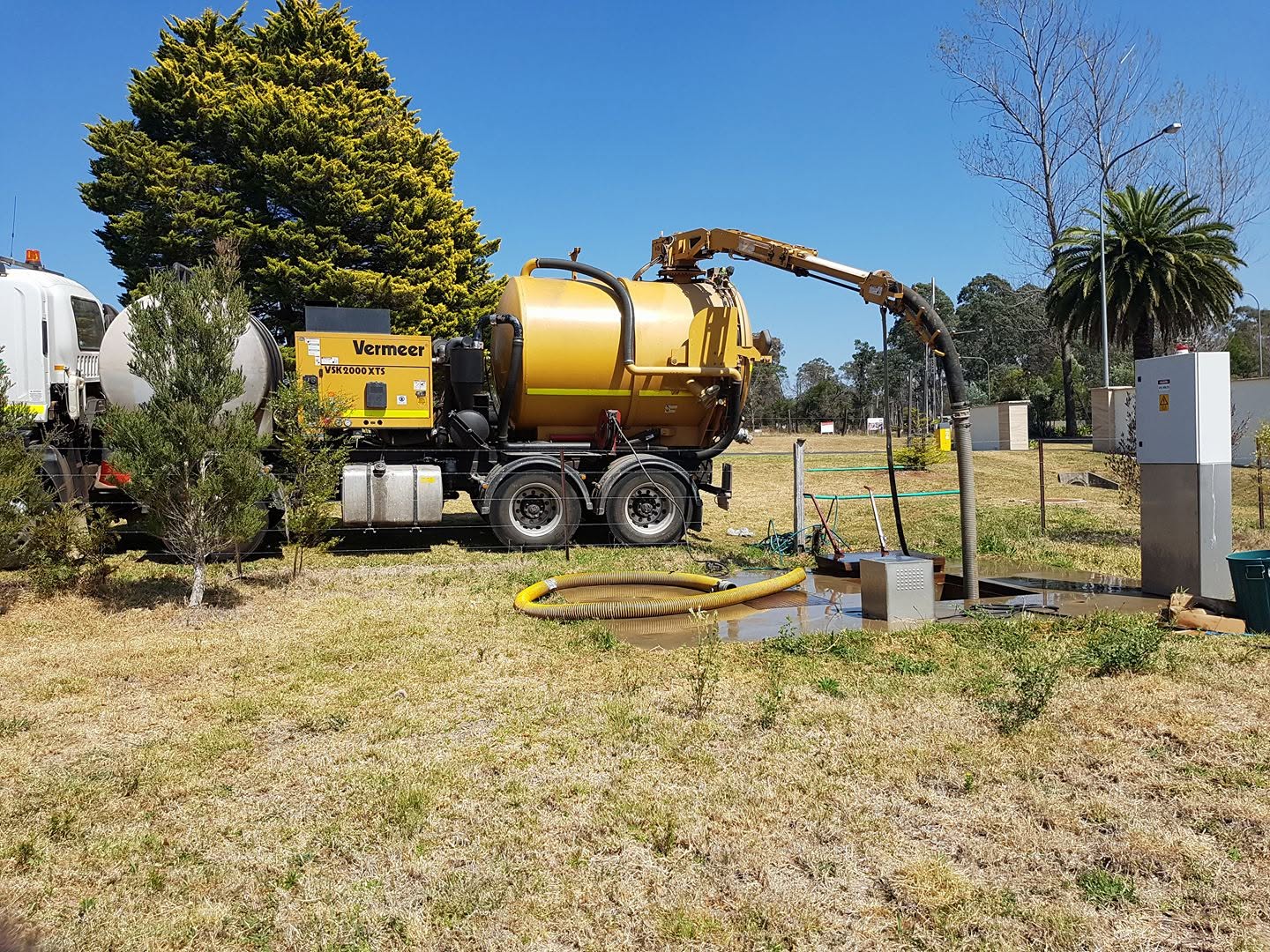
Excavation becomes more complicated when underground pipes, cables and other services are already present. Construction crews may have plans showing where utilities are expected to be, but plans do not always provide the exact position or depth of every buried asset. Digging without confirming what is underneath can lead to service strikes, project delays, costly repairs and serious safety problems.
This is where potholing services can provide valuable support. Potholing involves carefully exposing a section of ground to confirm the location, depth and alignment of underground infrastructure before larger excavation work begins. When hydro excavation or vacuum excavation is used, the process can expose buried assets with greater control than conventional mechanical digging.
What Are Potholing Services?
Potholing services are used to create small, controlled excavations that expose underground utilities for verification. The purpose is not to dig a large trench, but to uncover selected sections of an asset so its actual position can be confirmed before work continues.
Potholing may be carried out using hand excavation or non-destructive methods such as hydro excavation and vacuum excavation. The appropriate technique depends on the site, underground services, project requirements and risk assessment.
SafeWork NSW explains that potholing is used to establish whether underground assets exist at a particular location and stresses that underground services should be positively identified before excavation proceeds.
Why Is Utility Exposure Important?
Underground infrastructure can include water pipes, sewer lines, gas services, electrical cables and telecommunications assets. These services may be close to proposed excavation areas, even when their exact position is not immediately obvious from available plans.
Damaging an underground service can have consequences far beyond repairing the asset itself. A service strike may interrupt essential services, delay construction, create safety hazards and cause additional costs for contractors and asset owners.
Using potholing services before major excavation can give project teams better information about what is actually beneath the surface. This allows excavation planning to be based on verified site conditions rather than assumptions alone.
How Hydro Excavation Supports Potholing
Hydro excavation combines pressurised water with vacuum loading to break up and remove soil. Instead of relying entirely on mechanical excavation equipment, the process provides a more controlled way to expose selected underground areas.
They uses hydro excavation for service exposure, potholing, trenching, broken-pipe access, utility installation and excavation around existing underground assets. The company provides this service for civil, commercial, industrial and infrastructure projects across Sydney and wider NSW.
This makes hydro excavation particularly useful where contractors need to work close to existing infrastructure. The excavation can be targeted around the suspected service rather than unnecessarily disturbing a larger area.
Potholing vs Traditional Excavation
Traditional excavation equipment is designed to move substantial quantities of soil quickly. That is useful when creating trenches or preparing large construction areas, but mechanical excavation can be unsuitable when working immediately beside sensitive underground assets.
Potholing services focus on verification rather than large-scale soil removal. A smaller excavation can be created to expose a service and confirm its actual location before mechanical excavation continues further away from the asset.
The two methods can therefore work together. Contractors may use potholing to verify underground infrastructure first, then use conventional equipment for the larger excavation while following the required clearances and site controls.
What Underground Services Can Be Exposed?
The exact services that can be exposed depend on the project and site conditions. Hydro excavation and vacuum excavation are commonly used where contractors need to verify existing underground infrastructure before construction or repair work.
| Underground Asset | Why Exposure May Be Required | Typical Project Application | Benefit of Verification |
| Water pipes | Confirm position and depth | Civil works and repairs | Reduces uncertainty |
| Sewer lines | Identify alignment | Pipe works and maintenance | Supports safer excavation |
| Gas services | Confirm location before digging | Construction and utility works | Helps manage high-risk areas |
| Electrical cables | Verify position and depth | Civil and infrastructure works | Helps prevent service strikes |
| Telecommunications | Locate existing assets | Fibre and communications projects | Supports accurate installation |
| Other buried services | Confirm actual site conditions | Infrastructure development | Improves excavation planning |
The exact process should always be determined by competent personnel and the relevant asset owner requirements. Plans and electronic locating methods can help identify likely service locations, but physical verification may still be required.
When Are Potholing Services Needed?
There are many situations where potholing services can form part of a construction or infrastructure project. They are particularly useful when excavation is planned close to known or suspected underground services.
Civil contractors may use potholing during roadworks, utility upgrades and infrastructure projects. Telecommunications contractors may need to expose existing services before installing new conduits or cables, while plumbers and other contractors may require access to buried pipes.
They lists road works, commercial developments, utility upgrades, infrastructure projects, industrial sites, civil construction and government works among the applications for its hydro excavation services.
Potholing for Civil Construction
Civil construction frequently involves excavation around existing infrastructure. Roads, footpaths, drainage systems and developed sites may contain multiple underground services installed at different times.
Before digging begins, contractors need reliable information about the location of those assets. Potholing services can provide physical confirmation at selected points, helping crews understand how an underground service sits in relation to the proposed excavation.
This information can be particularly valuable when services cross a proposed trench or when the available records do not provide enough certainty for the planned work.
Potholing for Telecommunications Projects
Telecommunications projects often involve installing new conduits, cables and related infrastructure close to existing underground assets. Excavation may therefore need to occur in areas where several services are already present.
Hydro excavation can expose existing infrastructure while allowing contractors to assess available space for new installations. They specifically provides hydro excavation support for telecommunications projects and utility works.
Using potholing services during these projects can help confirm existing service locations before installation crews proceed with larger excavation activities. This can make planning more accurate and reduce unnecessary disturbance.
Potholing Around Broken Pipes
Accessing a damaged underground pipe can be difficult when its exact location is uncertain. Digging a large area simply to find the damaged section may increase excavation time and disturb more ground than necessary.
Hydro excavation can provide targeted access around suspected pipe locations. It’’s hydro excavation service includes support for broken pipes, damaged services and underground assets where precision excavation is required.
This approach can allow repair crews to reach the affected area while limiting unnecessary excavation around the surrounding ground and infrastructure.
Benefits of Professional Potholing
The value of potholing services comes from the information they provide before major excavation takes place. Knowing where an underground asset actually sits can influence trench positioning, equipment operation and the sequence of construction activities.
Professional equipment can also make the excavation process more controlled in areas where underground infrastructure is a concern. Hydro excavation uses water and vacuum loading rather than relying solely on mechanical digging.
The main benefits include:
- Physical verification of underground service locations.
- More controlled excavation around buried infrastructure.
- Better information for civil and construction planning.
- Reduced uncertainty when plans do not show exact asset positions.
- Support for utility installation, repairs and maintenance.
- Greater control when working in restricted or sensitive areas.
What Makes Hydro Potholing Different?
Hydro potholing uses water to break up soil and vacuum equipment to remove the loosened material. This can provide a controlled excavation method around buried infrastructure, particularly where mechanical excavation would create greater risk.
The process can also be useful in difficult site conditions. It states that its hydro excavation services are suited to sites involving restricted access, sensitive infrastructure, live services and challenging ground conditions.
However, hydro excavation is not a replacement for proper planning and safety controls. The location information available for the project, asset-owner requirements, site risk assessment and appropriate excavation procedures all remain important.
Planning Before Potholing Work
Good preparation is essential before excavation begins. Contractors should obtain available information about underground services and understand the requirements that apply to the particular site and assets.
SafeWork NSW advises that information about underground essential services should be obtained before excavation work starts and provided to the people carrying out the excavation.
SafeWork NSW also warns that underground service plans may not accurately show the exact location of assets. Its guidance recommends using appropriate locating and non-destructive potholing methods to verify services before excavation.
Potholing and Workplace Safety
Working around underground infrastructure can involve significant hazards. Electrical cables, gas lines and other services may create serious risks if they are struck or damaged during excavation.
SafeWork NSW’s current guidance highlights the risks associated with working around underground services, including serious injury, electrocution, fire, explosions, flooding and major service outages.
For this reason, potholing services should be treated as part of a wider safe-excavation process. Contractors should follow applicable legislation, asset-owner requirements, site procedures and professional guidance rather than relying on potholing alone.
How Potholing Can Reduce Project Delays
Unexpected underground services can disrupt a construction project. Crews may need to stop work, redesign an excavation, contact an asset owner or arrange additional equipment when an unrecorded or inaccurately mapped service is discovered.
Physical verification before excavation can provide project teams with better information earlier in the process. This can support more informed decisions about trench locations, excavation methods and construction sequencing.
For projects operating under tight schedules, that information can be particularly useful. It positions its hydro excavation services around safety, accuracy and project timing for demanding civil, commercial, industrial and infrastructure environments.
Choosing a Potholing Contractor
Not every excavation contractor will have the equipment or experience required for specialist utility exposure. When selecting a provider, consider its experience with underground services, hydro excavation equipment, vacuum truck capability and the type of projects it regularly supports.
It is also important to understand whether the provider works on civil and industrial projects rather than residential drainage jobs. It specifically states that its focus is civil, commercial, industrial and infrastructure work rather than household septic or residential drainage cleaning.
A suitable provider should also be able to understand the site requirements, communicate with the project team and work within the relevant safety procedures.
TDK Industrial Services for Potholing and Hydro Excavation
It provides hydro excavation and non-destructive digging support across Sydney and wider New South Wales. Its hydro excavation service includes potholing, utility exposure, broken-pipe access, piping installation support and excavation around existing underground assets.
The company supports civil contractors, utility providers, industrial facilities, infrastructure teams, commercial operators and government projects. Its broader capabilities include industrial vacuum loading, wet and dry material removal, liquid waste management, high-pressure water jetting and emergency response.
For projects where underground services need to be physically verified before excavation, this combination of hydro excavation and industrial vacuum capability can provide practical site support.
Final Thoughts
Excavating without knowing exactly what lies below the surface can create unnecessary risk. Underground services may not always be positioned exactly where plans suggest, making physical verification an important part of many civil and infrastructure projects.
Potholing services provide a controlled way to expose selected underground assets so their position, depth and alignment can be confirmed. When combined with hydro excavation, the process can support service exposure, utility installation, broken-pipe access and excavation around sensitive infrastructure.
The best results come from combining physical verification with proper planning, utility information, asset-owner requirements and safe excavation practices. For contractors working across Sydney and NSW, it provides hydro excavation and non-destructive digging support for demanding civil, commercial, industrial and infrastructure projects. Contact TDK Industrial Services to discuss your project requirements, site conditions and the most suitable excavation solution for your work.
Frequently Asked Questions
1. What are potholing services used for?
Potholing services are used to physically expose underground utilities so their location, depth and alignment can be verified before larger excavation work takes place. They can be useful for water, sewer, gas, electrical and telecommunications infrastructure.
2. How does hydro excavation help with potholing?
Hydro excavation uses pressurised water to loosen soil and vacuum equipment to remove it. This provides a controlled way to expose underground services and can reduce the need for conventional mechanical excavation close to buried assets.
3. Is potholing the same as utility locating?
No. Utility locating can identify the likely position of underground services using available records and locating technologies, while potholing physically exposes the ground around a service to verify its actual position.
4. When should potholing be completed?
Potholing is generally carried out before excavation proceeds in areas where underground services need to be positively identified. The number and location of potholes should be determined according to the project, available information, risk assessment and relevant asset-owner requirements. SafeWork NSW recommends positive identification of underground assets before excavation.
5. Does TDK Industrial Services provide potholing in Sydney?
Yes. TDK Industrial Services provides hydro excavation and non-destructive digging for potholing, service exposure, broken-pipe access, utility installation and excavation around existing underground assets across Sydney and wider NSW.