Slurry is a common by-product of construction, manufacturing and industrial operations. It forms when water mixes with fine particles such as concrete dust, soil, cement or other processed materials. While small amounts may seem manageable, accumulated slurry can create slippery surfaces, obstruct drainage systems and interfere with equipment. Without suitable handling, it can also reach surrounding land or waterways.
Professional slurry removal Sydney services help industrial operators and construction contractors manage these materials before they become serious operational problems. The removal process requires appropriate equipment, careful planning and an understanding of waste handling requirements. From concrete cutting projects to manufacturing facilities, effective slurry management supports safer working conditions and reduces unnecessary interruptions.
What Is Slurry and Why Does It Need Proper Removal?
Slurry is a mixture of liquid and suspended solid particles. Its consistency varies depending on the material involved, the amount of water present and the industrial process producing it.
Concrete cutting and grinding commonly generate cement-based slurry. Civil excavation may produce muddy water containing soil and sediment, while manufacturing processes can create mixtures containing fine particles, residues or other substances.
These materials are not always suitable for ordinary drainage systems. When slurry settles, the solids can accumulate inside pipes, pits and channels. Some mixtures may also contain contaminants requiring specific handling procedures.
Effective slurry removal Sydney operations focus on collecting these materials before they spread throughout a worksite.
Removing slurry promptly can help maintain clear access routes, protect equipment and reduce the likelihood of waste entering stormwater infrastructure.
Common Industries That Require Slurry Removal Sydney
Slurry management is important across several industries. Although the materials differ, the need for controlled collection and appropriate waste handling remains consistent.
Civil Construction and Infrastructure
Excavation, trenching, roadworks and underground service installation can generate significant quantities of muddy water and sediment.
Rainfall or groundwater entering excavations may increase the volume of material requiring removal. When access is restricted, vacuum equipment can provide a practical alternative to manual collection.
Contractors arranging slurry removal Sydney services should consider excavation depth, material consistency, access conditions and expected waste volumes.
Concrete Cutting and Grinding
Concrete cutting, drilling and surface grinding frequently use water to control dust and cool equipment. The resulting mixture contains fine cement particles that may settle and harden.
Concrete slurry removal helps prevent residue from accumulating on floors, entering drains or interfering with subsequent construction activities.
Collection methods must account for the material’s abrasive nature and the possibility of rapid settling.
Manufacturing and Processing Facilities
Industrial production can generate slurry through washing, material processing and equipment cleaning.
Residue may collect beneath machinery, inside tanks or around production lines. If left untreated, the build-up can make routine maintenance more difficult.
Scheduled industrial slurry removal helps facilities maintain cleaner working areas and prepare equipment for inspections or shutdowns.
Mining and Quarrying Operations
Mineral processing, aggregate washing and related activities can produce large quantities of sediment-rich wastewater.
The material may contain abrasive particles that require suitable pumping and vacuum equipment.
For these operations, slurry removal Sydney planning should consider both the physical characteristics of the material and the site’s environmental controls.
What Problems Can Accumulated Slurry Cause?
Slurry may appear harmless when first produced, but its effects can become more serious when large quantities accumulate.
Wet surfaces can increase slip risks, particularly near machinery, vehicle movements and pedestrian access routes.
Fine particles may settle in drainage channels and collection pits, gradually reducing their capacity. During heavy rainfall or wash-down activities, restricted drainage can contribute to localised flooding.
Slurry can also interfere with industrial equipment. Material accumulating beneath conveyors, around weighbridges or inside tanks may obstruct maintenance access and contribute to operational delays.
Environmental concerns are equally important. Uncontrolled discharge can carry sediment or other substances into stormwater systems.
Timely slurry removal Sydney services help address these issues before they affect a wider section of the worksite.
However, removal alone is not always sufficient. Sites should also identify how the slurry is generated and whether changes to operating procedures could reduce future accumulation.
How Does Professional Slurry Removal Sydney Work?
The removal process depends on the material, site conditions and available access. A suitable method for a shallow concrete cutting area may not work for a deep industrial pit.
Initial Site Assessment
Before collection begins, the work area should be assessed to identify the type of slurry, estimated volume, potential contaminants and access restrictions.
The assessment may also consider nearby electrical equipment, underground services, traffic movements and confined spaces.
Where the material’s composition is uncertain, additional waste characterisation may be necessary.
Selecting Suitable Equipment
Industrial vacuum trucks are commonly used for collecting wet materials from areas where conventional cleaning methods are inefficient.
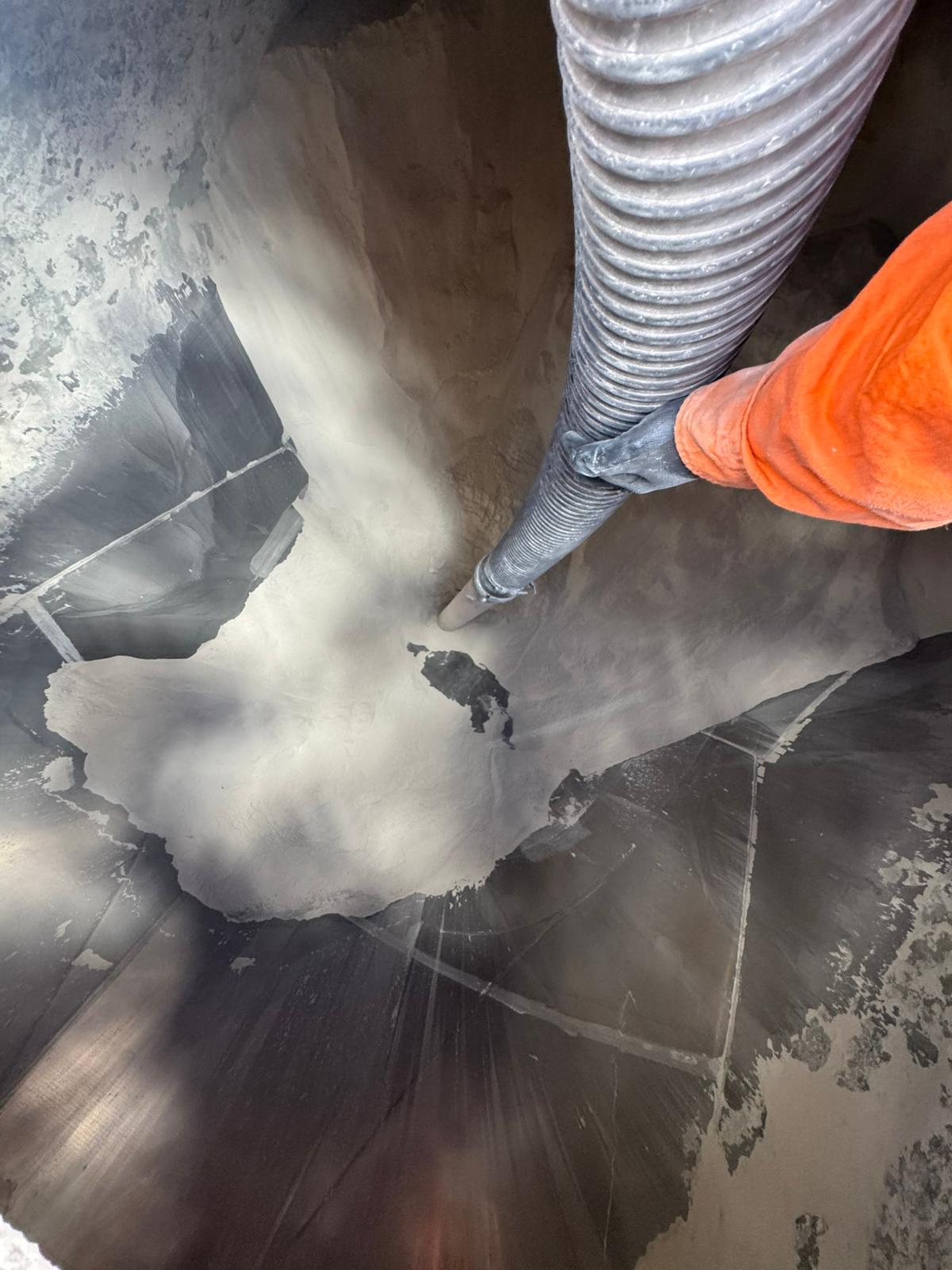
Depending on the equipment configuration and waste characteristics, vacuum loading can transfer slurry from pits, tanks, trenches or accessible collection points into a containment tank.
The equipment must be suitable for the material’s density, abrasiveness and consistency.
Controlled Material Collection
During slurry removal Sydney operations, trained personnel position hoses and equipment to collect the material while managing access and other site hazards.
Work may need to be coordinated with nearby construction activities or temporarily restricted to prevent unnecessary exposure.
For thick or settled material, additional preparation may be required before vacuum collection is practical.
Transport and Waste Handling
Collected slurry must be assessed and managed according to its classification and the applicable waste requirements.
Some materials may be suitable for treatment or recovery, while others require disposal at a facility authorised to accept that waste.
The final handling method depends on the composition of the slurry, not simply its appearance.
Why Are Vacuum Trucks Used for Slurry Removal Sydney?
Industrial vacuum trucks offer a practical way to collect wet and semi-liquid materials from challenging work areas.
Their main advantage is the ability to transfer material through hoses without relying entirely on manual handling. This can be useful for deep pits, narrow access points and areas surrounding fixed industrial equipment.
Vacuum truck services Sydney contractors use may also support related activities, including sludge removal, sediment collection, industrial pit cleaning and wet waste removal.
Equipment selection remains important. Different vacuum systems have different operating limits, tank capacities and material handling capabilities.
For example, a thick concrete mixture may require different arrangements from water containing fine sediment.
Using appropriate equipment for slurry removal Sydney can reduce unnecessary handling and support more efficient site cleaning.
However, vacuum collection does not eliminate the need for safe work procedures. Hose placement, vehicle positioning, exclusion zones and waste containment still require attention.
Slurry Removal Sydney and Environmental Compliance
Environmental management is an essential part of industrial slurry handling.
Construction and industrial waste can contain suspended solids, chemical residues or other contaminants. Allowing these materials to enter stormwater drains may cause pollution and create compliance problems.
The NSW Environment Protection Authority’s guidance on managing liquid wastes explains the importance of suitable storage, handling and spill response procedures.
Waste generators should identify the material being removed and confirm that the receiving facility can lawfully accept it. Some waste streams may also be subject to additional transport, licensing or tracking requirements.
For slurry removal Sydney projects, environmental planning should address collection methods, temporary storage, transport arrangements and appropriate treatment or disposal.
Site operators should also maintain relevant waste documentation and ensure that contractors understand the project’s environmental requirements.
Proper management protects more than the immediate work area. It helps prevent sediment and contaminants from affecting surrounding drainage infrastructure, land and waterways.
When Should Slurry Be Removed From an Industrial Site?
The appropriate removal schedule depends on how quickly slurry accumulates and whether it creates operational or environmental risks.
Some sites require collection during active work. Others may arrange cleaning after individual production stages or during scheduled maintenance shutdowns.
Warning signs that removal may be necessary include:
- Slurry spreading across vehicle or pedestrian access routes.
- Collection pits approaching their safe operating capacity.
- Sediment accumulating around machinery or drainage outlets.
- Wastewater overflowing from designated containment areas.
- Repeated blockages caused by settled industrial residue.
Facilities with continuous production may benefit from planned slurry removal Sydney arrangements rather than waiting until material build-up becomes difficult to manage.
Regular inspections can help determine suitable cleaning intervals and identify changes in waste generation.
How Much Does Slurry Removal Sydney Cost?
Slurry removal costs depend on the scope of work, material characteristics and equipment required.
There is no single price suitable for every industrial or construction project. A small collection task with straightforward access will differ from a large-scale operation involving restricted spaces or complex waste handling.
| Cost factor | Effect on the project |
|---|---|
| Slurry volume | Larger quantities may require additional collection time or transport capacity. |
| Material consistency | Dense, abrasive or heavily settled slurry can require more preparation. |
| Site accessibility | Restricted access may increase equipment setup and labour requirements. |
| Waste classification | Certain materials require specialised handling, treatment or disposal. |
| Project timing | Urgent attendance or work outside normal hours may affect costs. |
| Travel and transport | Distance to the receiving facility can influence overall charges. |
Before booking slurry removal Sydney, site managers should provide details about the material, estimated quantity, access conditions and required completion timeframe.
A clear scope of work makes it easier to assess suitable equipment and obtain an accurate quotation.
How to Choose a Slurry Removal Contractor in Sydney
Selecting a suitable contractor involves more than comparing prices. Industrial sites often have access restrictions, equipment hazards and specific environmental requirements.
Experience with industrial vacuum loading and wet material removal is particularly relevant.
Contractors should be able to discuss the types of material their equipment can handle, site preparation requirements and any limitations affecting the proposed work.
It is also important to clarify waste transport responsibilities, documentation requirements and the intended receiving facility.
For slurry removal Sydney, ask how the work will be coordinated with existing site operations, particularly where machinery, vehicles or other contractors remain active.
Clear communication before mobilisation can help prevent delays and unexpected changes to the project scope.
How Can Businesses Reduce Slurry Build-Up?
Although slurry cannot always be avoided, businesses can take practical steps to control its accumulation.
Containment areas should be inspected regularly, particularly during periods of heavy production or rainfall. Drainage systems should be protected from uncontrolled sediment entry.
Equipment cleaning procedures can also be reviewed to reduce unnecessary water use and prevent waste from spreading beyond designated collection points.
Where suitable, separation or recovery systems may help reduce the volume requiring off-site removal. Their practicality depends on the material and operational requirements.
A planned slurry removal Sydney schedule can complement these controls by addressing accumulated waste before it disrupts work.
Combining prevention, monitoring and timely collection is generally more effective than relying on emergency clean-ups alone.
Conclusion
Slurry management is an important part of maintaining safe, functional and environmentally responsible industrial worksites. Whether the material comes from concrete cutting, excavation, manufacturing or infrastructure maintenance, suitable collection and waste handling can help prevent drainage problems, equipment obstruction and unnecessary project delays. Planning removal around site conditions and waste characteristics also supports smoother operations.
For professional slurry removal Sydney, TDK Industrial Services provides industrial vacuum loading and wet material removal solutions for civil, commercial and industrial projects. Visit the homepage to learn more, explore the available industrial services, or contact the team to discuss your project requirements and request a quote. You can also call 0438 080 807 for assistance.
Frequently Asked Questions
1. What types of slurry can industrial vacuum trucks remove?
Suitable vacuum trucks can collect many wet materials, including concrete slurry, drilling mud, sediment and industrial residue. Equipment suitability depends on the material’s density, composition and consistency.
2. How often should industrial sites arrange slurry removal Sydney?
Removal frequency depends on production activities, waste volumes and site conditions. Facilities with continuous slurry generation may require scheduled collection, while construction sites may need removal after particular work stages.
3. Can concrete slurry be discharged into stormwater drains?
Concrete slurry should not be discharged into stormwater drains. It can contain fine sediment and alkaline residues that may harm waterways. Collection, treatment and disposal must follow applicable environmental requirements.
4. What is the difference between slurry removal and sludge removal?
Slurry usually describes a flowing mixture of liquid and suspended solids. Sludge is often thicker and contains a higher concentration of settled material. Both may require specialised industrial vacuum equipment.
5. What information is needed before booking slurry removal Sydney?
Provide the worksite location, estimated material volume, slurry type, access conditions and preferred service date. Details about potential contaminants and disposal requirements also help determine suitable equipment and handling procedures.