
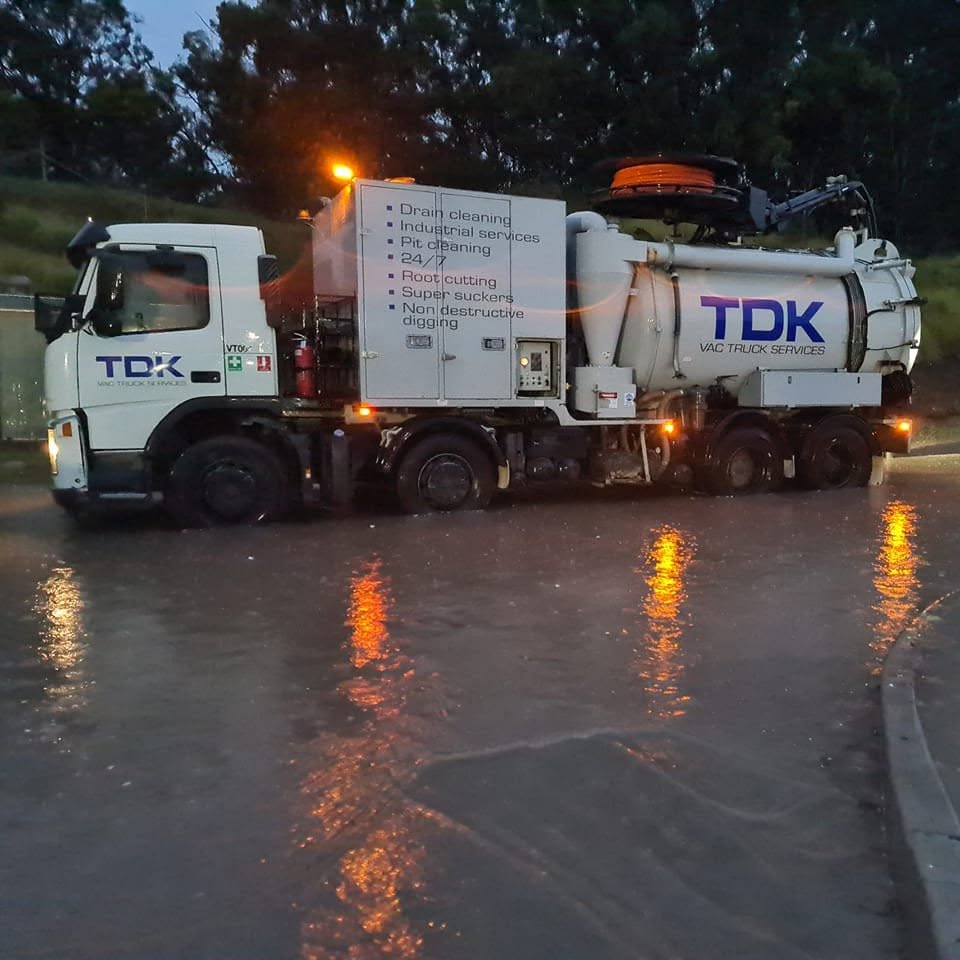
Before any digging begins, identifying and exposing underground utilities is essential to prevent damage, delays and safety hazards. Utility exposure important before excavation helps confirm the exact location of buried services such as gas lines, electrical cables, water pipes and communication networks, allowing excavation teams to work safely and efficiently.
Excavation projects across Australia can involve complex underground infrastructure that is not always accurately shown on plans. Taking the time to locate and expose these services before breaking ground can significantly reduce the risk of costly incidents and unexpected disruptions.
Understanding Why Utility Exposure Important Before Excavation Matters
Underground services are a vital part of modern infrastructure, but they can create serious risks when their locations are unknown. Even a small excavation project can encounter hidden utilities that may have been installed years earlier or moved from their original documented position.
Utility exposure important before excavation provides physical confirmation of where services are located, rather than relying only on drawings, maps or assumptions. This process allows operators to understand the conditions beneath the surface before machinery begins removing soil.
For civil contractors, construction teams and infrastructure providers, accurate utility identification supports safer decision-making and helps maintain compliance with workplace safety expectations.
The Risks of Excavating Without Proper Utility Exposure
Excavating without confirming underground services can lead to significant safety, financial and operational problems. Underground utility strikes are among the most common risks faced during earthworks and construction activities.
Potential consequences include:
- Damage to electrical cables, creating serious electrical hazards
- Gas line strikes that may cause leaks or dangerous situations
- Water main damage resulting in flooding and project delays
- Telecommunications disruptions affecting businesses and communities
- Expensive repairs, penalties and unexpected project costs
Beyond physical damage, hitting underground services can create delays that affect multiple contractors and stakeholders. A single incident can impact project schedules and increase overall construction costs.
How Utility Exposure Supports Safer Excavation Practices
Utility exposure is a proactive approach that provides excavation teams with greater confidence before work begins. Instead of guessing what exists below the surface, contractors can make informed decisions based on verified information.
Common methods used for utility exposure include non-destructive techniques such as vacuum excavation. This process uses pressurised water and suction equipment to carefully remove soil around underground services without causing unnecessary damage.
The benefits of professional utility exposure include:
- Improved underground service visibility before excavation starts
- Reduced chance of accidental utility strikes
- Better planning for machinery access and excavation methods
- Increased workplace safety for operators and nearby workers
- More accurate project timelines and cost estimates
By identifying services early, project managers can adjust excavation plans and avoid preventable complications.
Common Situations Where Utility Exposure Is Required
Utility exposure is valuable across many industries and project types throughout Australia. Whether a project involves minor groundwork or large-scale civil construction, knowing what is below the surface is critical.
Some common applications include:
Civil Construction Projects
Road upgrades, drainage works and infrastructure developments often require detailed underground service information before excavation begins. Utility exposure helps construction teams work around existing networks safely.
Commercial and Industrial Developments
Large commercial sites may contain multiple underground services installed at different times. Accurate exposure helps prevent disruptions during foundations, trenching and site preparation.
Landscaping and Residential Works
Even smaller projects such as retaining walls, extensions and landscaping improvements can encounter buried services. Homeowners and contractors should confirm service locations before undertaking deeper excavation.
Australian Safety Standards and Excavation Responsibilities
Australian excavation work must follow strict safety practices to protect workers, the public and existing infrastructure. Workplace health and safety obligations require businesses to identify hazards and manage risks before starting construction activities.
Safe excavation practices generally involve reviewing available service information, completing appropriate locating processes and using suitable excavation techniques around identified utilities.
Industry guidelines encourage contractors to treat underground services as a potential hazard until their location and depth have been confirmed. This approach reduces uncertainty and supports safer project outcomes.
Why Professional Utility Exposure Services Provide Better Results
While service plans and locating equipment provide valuable information, they may not always show the complete underground environment. Services can vary from recorded positions due to installation changes, ground movement or inaccurate historical records.
Professional excavation specialists combine industry knowledge, specialised equipment and proven methods to physically verify underground conditions.
TDK Industrial Services supports Australian projects by providing reliable excavation solutions designed to improve safety and efficiency. Their experience with industrial and civil environments helps clients manage underground risks before excavation activities begin.
What to Consider Before Starting an Excavation Project
Before commencing excavation, project managers should consider:
- Have all underground services been identified?
- Are existing utility plans current and accurate?
- Has the excavation area been physically assessed?
- Are workers aware of underground hazards?
- Is the excavation method suitable for the site conditions?
Taking these steps before work begins can prevent avoidable problems and create a smoother construction process.
When to Call a Professional
If your project involves excavation near existing infrastructure, professional assistance can help ensure underground services are properly identified before work begins. TDK Industrial Services can provide experienced support for utility exposure and excavation requirements across Australia.
Whether you are managing a commercial development, industrial project or civil construction site, contacting an experienced excavation provider early can help reduce risks and improve project confidence.
Conclusion
Utility exposure important before excavation plays a major role in creating safer and more efficient construction environments. By confirming underground services before digging, businesses can reduce the risk of damage, protect workers and avoid unnecessary project delays.
Proper planning, accurate service identification and professional excavation methods help ensure projects move forward with fewer complications. For reliable excavation support and utility exposure solutions, TDK Industrial Services can assist with your next project.
Frequently Asked Questions
What is utility exposure before excavation?
Utility exposure is the process of physically locating and confirming underground services before excavation begins. It helps identify the exact position and depth of utilities such as electrical cables, gas pipes and water lines.
Why is utility exposure important before excavation?
Utility exposure important before excavation because it reduces the risk of damaging underground services and helps excavation teams work more safely with accurate information.
How is utility exposure performed?
Utility exposure is commonly completed using non-destructive methods such as vacuum excavation, which safely removes soil around underground utilities without causing damage.
Can underground service plans be relied on without utility exposure?
Service plans provide useful information but may not always reflect current underground conditions. Utility exposure provides physical confirmation to help identify potential risks before excavation starts.